A 12-year-old boy took his own life in Moradabad after he collided with an electric power line in the process of trying to catch a kite. The devastating incident has once more underlined the dangers children and adults face in hanging or chasing kites close to electric poles and overhead wires and other dangerous places.
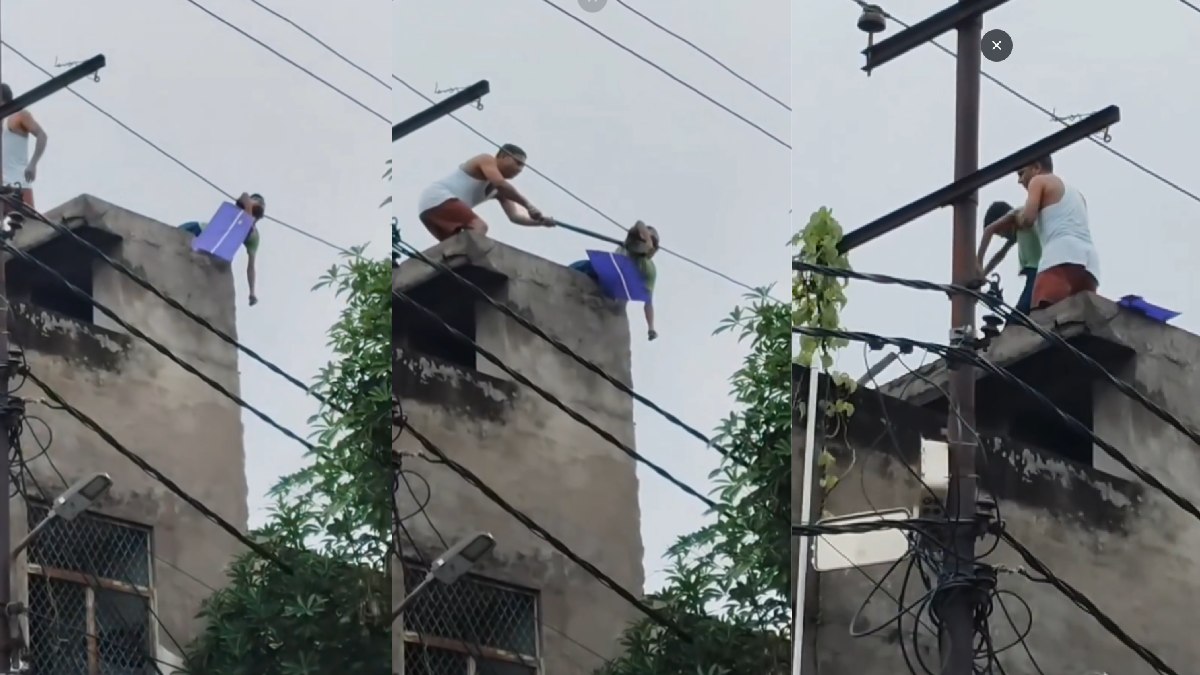
According to the information available about the incident, the boy was in a poor family and was trying to catch a kite when he was too close to a high-voltage power line. He died of a fatal electric shock when he touched the wire. The child’s family has become devastated and there is worry about kite flying in areas where electrical infrastructure is situated in residential areas near the city’s residents.
It’s particularly disturbing because what was just an innocent attempt to retrieve a kite ended up in irreversible tragedy. For a child, a kite is like a toy and chasing one can look innocent. However, coming anywhere near high-tension wires can be extremely dangerous. Electricity can move through the air over a gap and not always have to touch a wire on the way to being shocked by a potentially fatal electric shock.
The tragedy is also a reminder that kids may not realize the dangers of overhead electrical lines. A kite caught on a wire, a kite drifting into a restricted area or a fallen kite may lead children to jump onto power lines and not recognize the danger. Parents, guardians and community members can be instrumental in steering children away from electrical poles, transformers and high-tension lines for kites.
When it comes to children, videos of such incidents can be very disturbing to the viewer, especially when they show the aftermath of such incidents. The circumstances of this disaster are tragic, but this incident should also make people think about safety rather than treating such accidents as inevitable. No kite, toy or other removable object is worth putting people’s lives at risk.
But authorities and electricity departments must also be doing more to avoid such dangers. Any areas with exposed or easily accessible electrical infrastructure need safety measures and public warnings. Residents should be discouraged from flying kites close to power lines, railway tracks, busy roads and other hazardous locations. Well-designed signage and awareness campaigns can teach children and families about the danger of getting too close to live electrical wires.
A 12-year-old boy from a poor family in Moradabad lost his life after coming in contact with a high-tension wire while trying to catch a kite. 💔
— Amit Kumar Sindhi (@AMIT_GUJJU) August 24, 2026
The video is absolutely heartbreaking. One kite is simply not worth risking your life for.
A life is far more precious than anything… pic.twitter.com/87rcLUQ2FG
The Moradabad tragedy sends a message to families and communities: “A kite can be replaced, but a life cannot.” Children should be taught to leave immediately if a kite gets stuck in an electrical wire. They should never climb poles, rooftops or trees, throw things at wires or try to retrieve a kite themselves. Instead, they should go to an adult and seek help from the responsible authorities.
The family is devastated that their 12-year-old son died, and what is really happening is a powerful lesson to teach all the children how quickly an ordinary thing can be turned into a terrible tragedy. Better awareness, supervision in the electricity business and a sense of care in the use of electricity will prevent a similar situation in the future.
Something as mundane as a kite can take a young life; and it’s a painful reminder that safety is always first. Children need to grow up, play, enjoy simple things without being exposed to preventable hazards. A kite may fly away, get damaged or be replaced, but “a valuable human life can never be brought back.”