New violence around Taphou on 24 August 2026 has again exposed the fragile relationship between neighbouring Naga and Kuki communities in Manipur. A residential house in Taphou Kuki was set alight early Monday morning, followed by houses in adjacent Naga areas. The incidents were followed by firing, protests and disruption on National Highway-2 and a CRPF personnel sustained a firearm injury in the aftermath.
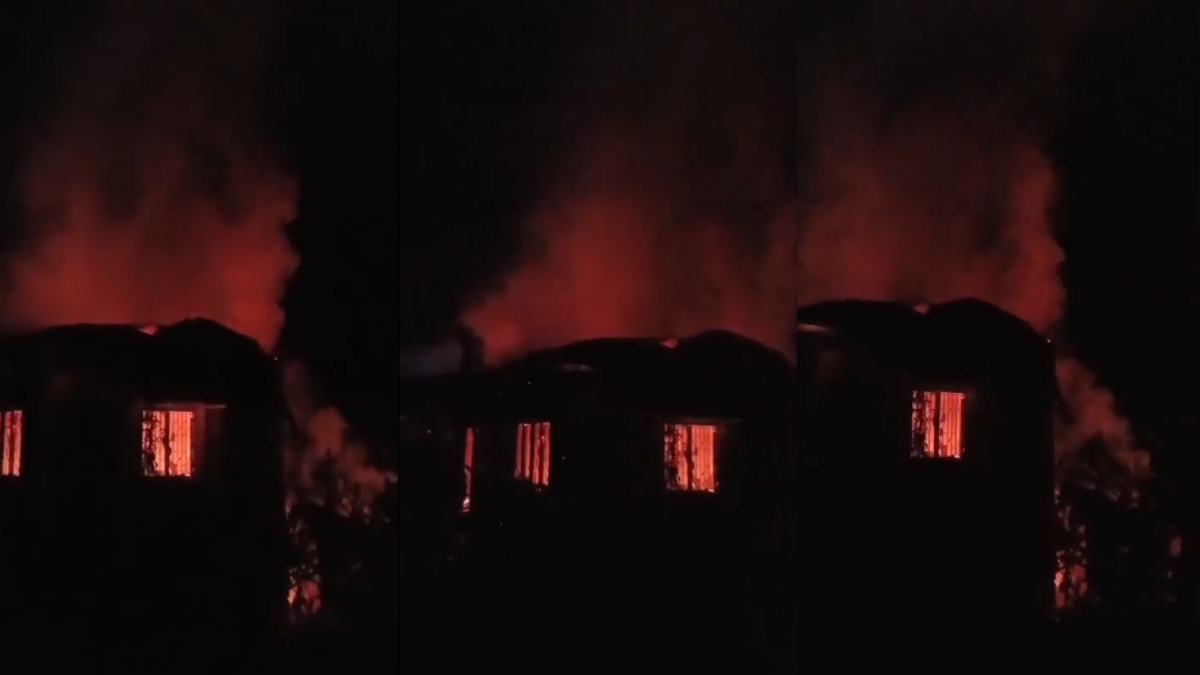
The immediate sequence of events is still under investigation, and the blame for the attacks should not be distributed to any one ethnic or tribal community on allegations. The first incident, according to officials in media, was around 2:30 to 2:40 am when a house in Taphou Kuki village was set on fire by unidentified persons. Around 4 am, houses in neighboring Naga areas were also torched or damaged. It was later reported that firing was carried out in Taphou Naga area and a 54-year-old CRPF constable was injured.
Such an episode is particularly concerning because it seems to have been a familiar pattern in conflict-affected areas: first there is violence followed by retaliation, and then a more generalized atmosphere of fear and suspicion. And once property is damaged or communities feel threatened, rumours can spread rapidly and individual conduct may be interpreted as attacks by the entire community. That dynamic can make even a local dispute very dangerous.
The Taphou Kuki village authority has publicly condemned the burning of the Kuki-owned house, calling for those responsible to be identified. The village authority also appealed for the matter to be addressed in a lawful manner and according to the village authority, has given those responsible a 24-hour period to come forward.
At the same time, the Naga People’s Organisation in Senapati has recommended an impartial investigation of the events and has asked law-enforcement agencies to pursue and prosecute those behind the violence. A credible investigation is important because there are already competing claims about who initiated the violence.
This incident thus presents a very difficult but necessary question: How do community organisations monitor and regulate what it takes for their own members to be disciplined when tension is high? This question should be directed at every community involved in the conflict rather than Liangmei Nagas, Kukis or any other community as a whole. The role of community organisations, village officials, civil society bodies and traditional institutions can be quite effective in preventing retaliation but their credibility depends on whether they are the ones who always condemn violence when it is reported to be occurring - even when there are alleged perpetrators from their own community.
Community leadership can’t just react when houses are burned down and civilians are threatened. Better preventive mechanisms are required. Local organisations could establish rapid-response teams, continue communication with neighbouring villages, report suspicious movements to security agencies on the spot and publicly discourage retaliatory action. Where customary institutions have powers, they can also reinforce the idea that collective punishment, arson and attacks on civilians are also not appropriate.
The bigger question of continued hostility between neighbouring communities is more complicated. Years of insecurity, displacement, competing territorial claims, memories of previous attacks and fear of armed groups can create a cycle in which each community sees the other primarily through the lens of threat. Once that perception becomes entrenched, even an unverified allegation can trigger mobilisation.
The geography makes it all the more sensitive. Taphou lies on the NH-2 corridor connecting Manipur to Nagaland and violence has disrupted the flow on the important highway. Protesters have blocked parts of the route with tyres, logs and debris after the incidents, the newspaper reported. And the highway is not just a means of transportation, it is also a lifeline to economic and social life for people in the region.
The CRPF personnel’s injury also illustrates how quickly civilian disputes can develop into larger security problems. Security forces are now in place to prevent further escalation and authorities are monitoring the situation.
It is in the name of peace that accountability should come from individuals rather than as a community. If someone or an armed group is responsible for the burning of a home then the person or group should be investigated and tried. The same principle must apply to the accused whether they are Kuki, Liangmei, Poumai or belong to another community. Assigning an entire population as responsible for the actions of individuals will only increase resentment and make future violence more likely.
Date 24 August 2026
— KUKI HILLS (@Nampi_Romeokuki) August 24, 2026
Taphou Kuki house burnt by Kacha-Naga.
How are the Liangmei Naga CSOs monitoring and regulating the conduct of their own community members? Why is there such persistent hostility toward neighbouring communities?@YKhemchandSingh pic.twitter.com/kVuvBXzynC
The Taphou incident should therefore be an opportunity for community leaders to move from condemnation to mechanisms to prevent retaliation. Local civil society organisations have a great deal of influence and that influence might help to calm things down or may make them worse. Now it is the responsibility of civilians to protect themselves, not to go after others, to cooperate with impartial investigations and to be a counterweight to community sentiment in the absence of due process.
That’s the question of which community should be held responsible. But the more pressing question for us all is whether every community institution is able to hold its own community members accountable when they jump from protest or grievance to violence. And if you do not have that internal accountability, each new incident becomes an opening in a cycle of retaliation. Taphou’s latest violence is a reminder that long-term peace in Manipur is going to depend on not only tighter security measures but also a sustained effort from local communities themselves to push back against collective blame, protect neighbours and restore trust in the community.