Residents of Gudibande taluk in Chikkaballapur district protested the delay in the construction of the KSRTC bus depot in Chikkaballapur district and asked for immediate steps to start and complete the long-delayed project.
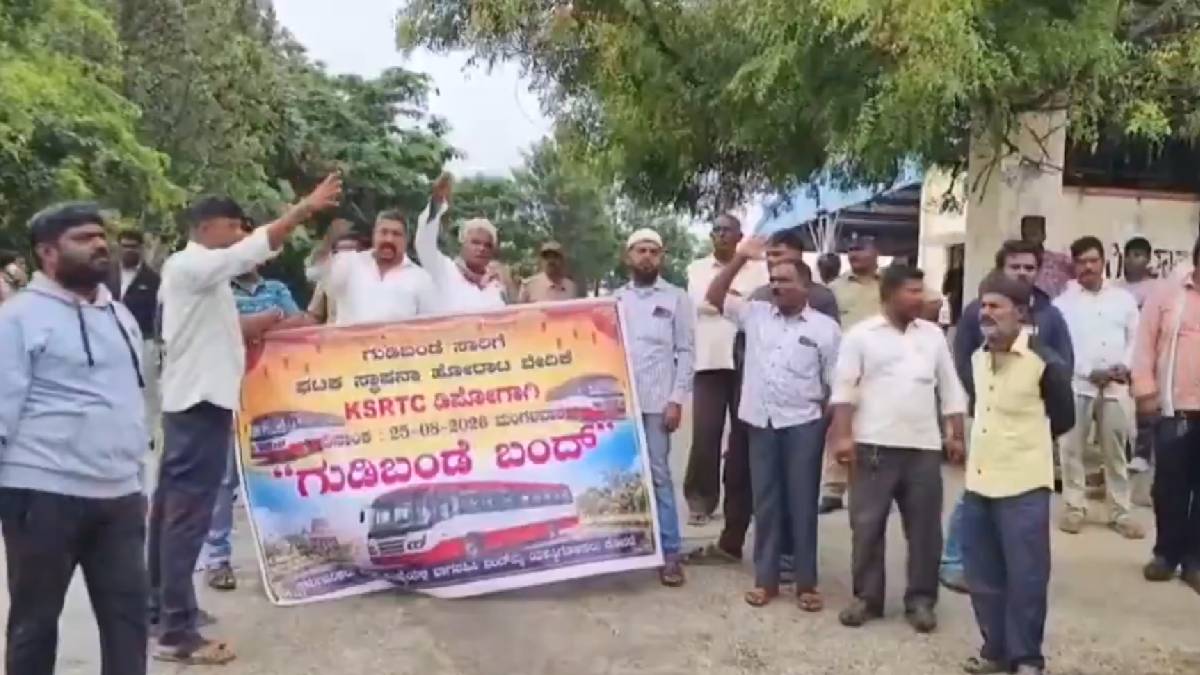
The protest is one of growing frustration among residents that the project has not been developed by the people in Gudibande or the surrounding area (and so is not a public transportation facility). Many people were speaking up and demanding action from the people in charge of the project towards this.
A dedicated KSRTC bus depot will help to build up public transport infrastructure in the region and better serve buses, drivers and conductors in a better way through more efficient operations of services. For the residents, the project is therefore seen as a major step towards connecting the Gudibande town and villages.
Public transport is important to the daily lives of people in semi-urban and rural areas. Students, workers, traders and residents frequently use government buses to go to educational institutions, workplaces, hospitals, markets and government offices.
Karnataka -
— News Arena India (@NewsArenaIndia) August 25, 2026
People protest in Gudibande taluk in Chikkaballapur against delay in construction of proposed KSRTC bus depot. pic.twitter.com/iwL3MlI45Z
The delay in the construction of the proposed depot has become a local problem for those who think that more efficient KSRTC infrastructure would result in better and more reliable bus services.
Residents of the area also objected to the long delay, and they said nothing and held out hope for the project moving forward. The protesters want officials to clarify the status of the proposed depot and what the date for construction is, and what was not completed so far (the project is currently still underway).
Infrastructure projects often involve multiple stages including land and administrative consent, funding structures, tendering and construction. Delays at any of these stages can delay the ultimate completion date. For residents, however, the long-term delays can mean that the expected benefits of the project are not yet available.
The protest in Gudibande can also be seen as a manifestation of the general importance of transportation infrastructure among developing areas. A better bus service system will also make the roads more connected and improve local economic activity. If public transport is dependable, job access and essential services are not only available to people but can also be provided in a public way instead of just to people who have private vehicles.
For KSRTC, further depot infrastructure could help the expansion and better management of bus operations in the future. A depot in a different location can be used to provide parking, maintenance, and operational support for buses to start and end services and bus stops more efficiently.
They are now waiting for a real response from the authorities. As opposed to vague promises of progress on the ground, protesters want concrete construction plans and a concrete timeline.
The delay could also spread to the wider public if it continues. Government agencies in small communities often have to deliver basic infrastructure in short time frames, and long waits can lead to growing public frustration.
So the Gudibande protest is a demand for a bus depot more than a demand for a bus depot. It is residents’ expectations for better public infrastructure and better connectivity in the region.
The protesters want the status of the project to be discussed in a transparent manner. A transparent timeline of construction will help alleviate some of the concerns and reassure residents that the project is not going away.
The protest has brought back the delayed Gudibande KSRTC bus depot into the limelight for now. Residents are asking the government and KSRTC authorities to act quickly to make the project a reality.