Maharashtra State Road Transport Corporation (MSRTC) buses are more expensive because the State Transport Authority (STA) has approved a 13.56% increase in fares for the corporation's services. The revised fare structure will be implemented from midnight on July 17 to July 18 for millions of passengers using the vast public transport system in the state every day.
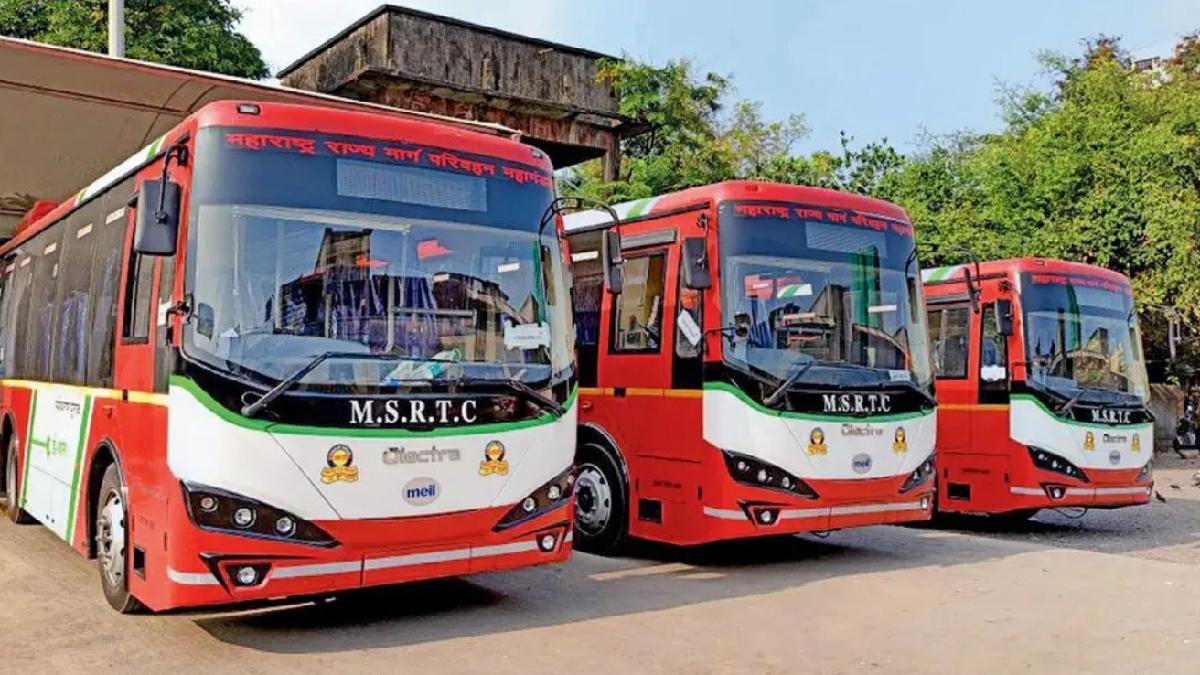
The fare revision affects almost all types of MSRTC buses, including ordinary, semi-luxury, sleeper, Shivshahi and Shivneri services. Ticket prices on some major intercity routes have increased by Rs 15 to Rs 25 depending on the distance and type of service.
Why Has MSRTC Increased Bus Fares?
The fare hike has been due to the sharp increase in operational costs over the past few years, the MSRTC said.
The corporation cited several reasons for the decision as diesel prices rising, maintenance costs as well as the cost of spare parts and tyres and increased employee allowances. The revision is needed for the long-term financial sustainability of an institution like the state-run transport system, officials said.
MSRTC is one of India’s biggest public transport corporations and operates more than 14,000 buses, serving approximately 55 lakh passengers every day across Maharashtra.
Revised Per-Stage Bus Fares
Following the fare revision, the new per-stage rates are as follows:
- Ordinary buses: Rs 11.40 per stage
- Semi-luxury buses: Rs 13.65 per stage
- Ordinary sleeper-seater: Rs 15.50 per stage
- Ordinary sleeper buses: Rs 16.75 per stage
- Shivshahi AC seater: Rs 14.20 per stage
- Shivshahi AC sleeper: Rs 15.35 per stage
- Shivneri AC seater: Rs 21.25 per stage
- Shivneri AC sleeper: Rs 25.35 per stage
MSRTC has also explained that ticket prices will be rounded off to the nearest Rs 5 under the new fare structure.
Ticket Prices Rise on Major Routes
The passengers travelling on popular intercity routes will have to pay higher fares.
Some of the revised ticket prices include:
- Mumbai – Satara: increased from Rs 498 to Rs 555
- Mumbai – Kolhapur: increased from Rs 730 to Rs 755
- Mumbai – Solapur: increased from Rs 705 to Rs 800
- Pune – Solapur: increased from Rs 454 to Rs 480
- Nashik – Pune: increased from Rs 410 to Rs 425
The fare hike will affect the day-to-day commuters as well as long-distance travellers who depend on MSRTC's affordable bus services.
Seasonal Fare Hike Withdrawn
When MSRTC announced the fare revision, it also offered some relief to passengers by removing the 10% seasonal surcharge that had been imposed on regular bus services.
The seasonal fare increase, which had been extended until the end of July, is now discontinued. This means that passengers on ordinary buses will no longer have to pay the extra seasonal charge and the increase in fares is offset by the fare hike that was introduced in the first place.
Impact on Daily Commuters
MSRTC is an important part of Maharashtra’s public transport system connecting cities, towns and remote villages in the state. All day, millions of students, office workers, farmers and other passengers depend on its services to travel at a low cost.
But the fare rise will put additional pressure on the regular commuters, especially those who travel long distances for work or education. The premium services like Shivneri and Shivshahi buses will also be expensive for intercity travellers.
The MSRTC officials say that while the fares have increased, the new fares will be competitive with private bus operators for both services and to keep up with rising operational costs.
Balancing Affordability and Sustainability
Fares have been revised for public transport in India and this is the big problem that public transport operators are facing at this price point and the costs of fuel and maintenance as well as workers’ wages.
With diesel prices increasing, vehicle maintenance and operational costs going up as well, transport companies are more and more looking to modify their fares so as to maintain the financial health of the company and not reduce quality of service.
For Maharashtra’s millions of bus passengers, the new fares are in effect now so their trip should be planned around updated ticket prices. The increase in fares might affect travel budgets but MSRTC says it is necessary to maintain one of the country’s largest and most extensive public bus networks.