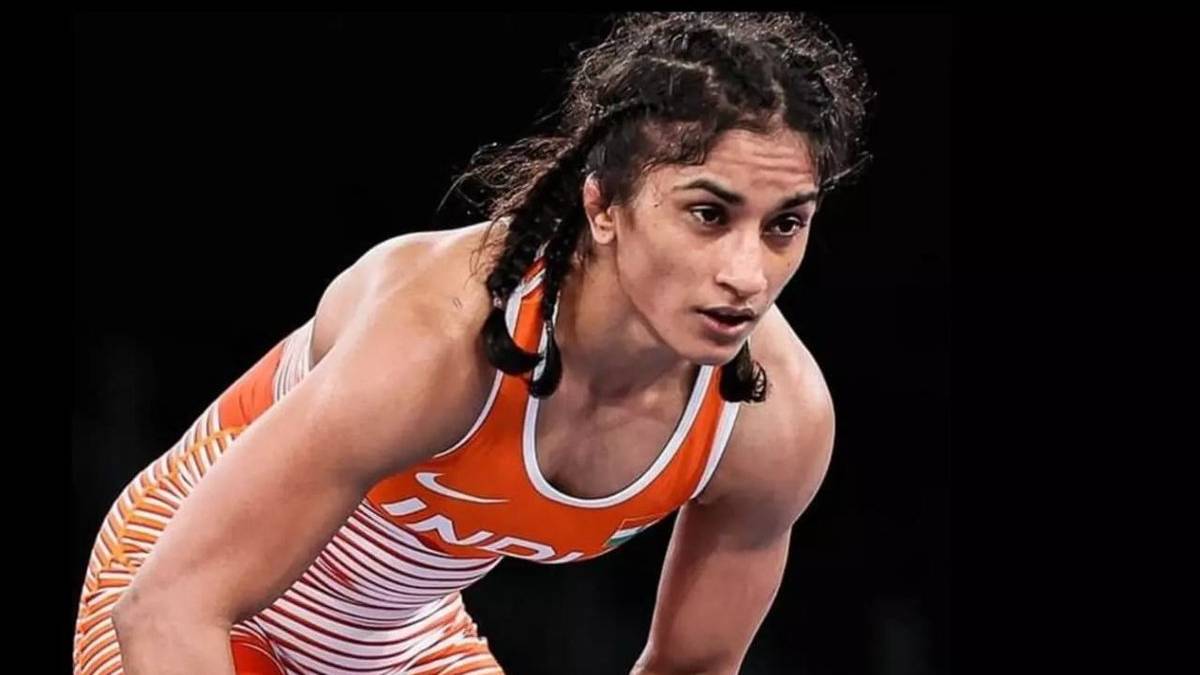
The Delhi High Court asked the Wrestling Federation of India’s (WFI) to respond to wrestler Vinesh Phogat’s plea on show cause notices and disciplinary action against her in the case. Swarana Kanta Sharma, who directed the federation’s counsel to seek instructions before the next hearing of the case.
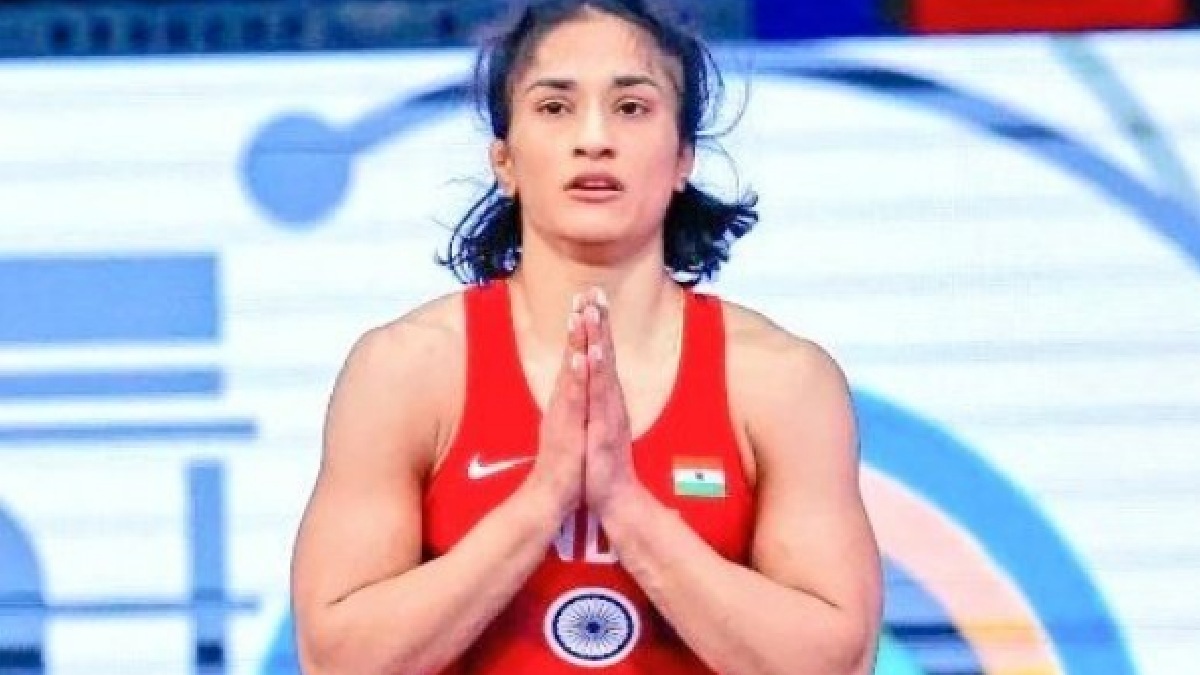
At Tuesday’s proceedings, the court emphasized that it was not issuing a formal notice in the matter at this stage. The WFI counsel was asked to seek instructions and the case will be heard again on September 29.
Phogat has challenged two show-cause notices issued on May 9 and June 17. She claims the notices are part of a “continuous pattern of arbitrary and mala fide action by the federation,” the wrestler asserts. The proceedings have been challenging to return to competitive wrestling after maternity, she has said.
She also said that she had been cleared from the International Testing Agency with a start date of January 1, 2026. Such disciplinary proceedings could threaten her ability to return to top competition, she said.
Phogat has argued that the notices and subsequent proceedings may affect her eligibility, nomination and participation in future competitions. So she is arguing for judicial intervention against actions that may stop or delay her return to the sport.
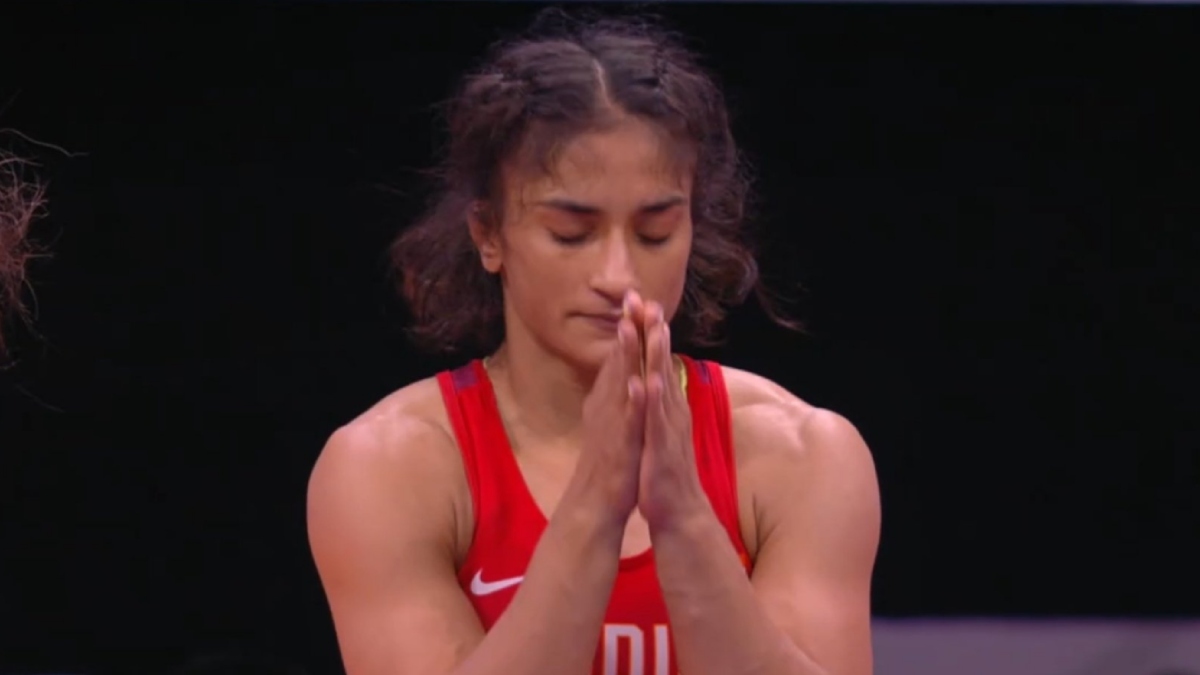
So Phogat wants to resume her competitive wrestling career after childbirth. Her return has given women athletes everywhere a glimpse into the difficulties of returning to professional sport after pregnancy and postpartum recovery.
The Delhi High Court also considered a separate petition by Phogat on the parameters of returning women athletes to competitive activity after pregnancy, childbirth and postpartum recovery. In this petition, she has sought directions to the WFI to develop a fair, transparent and structured system for athletes returning after maternity.
Phogat has cited her own experience to highlight the difficulties in returning to elite competition after childbirth. She was forced to return to the competitive pathway without adequate accommodation for the period during which she was unable to participate because of maternity, the petition said.
The plea suggests that the eligibility system in place was based on performances in tournaments during the period when an athlete was away from competition due to maternity. Phogat has said such an approach is likely to severely punish women athletes for taking time away from sport during pregnancy and childbirth.
She has therefore sought a system that is more structured and that takes into account the individual circumstances of athletes during pregnancy and postpartum recovery. Such a system would enable women athletes to return to competitive sport in such a manner that they would not be left behind because of maternity absence.
Justice Sharma issued a notice to the WFI, the central government and the Indian Olympic Association (IOA) on the separate plea. The case is due to be heard in November.
The senior advocate Rajshekhar Rao appeared for Phogat in the proceedings. The petitions were filed by advocates Aashita Khanna, Ritwik Prakash and Neil M Goswami.
The legal developments could have far-reaching implications for the status of women athletes returning to competition after pregnancy. High-level athletes are expected to remain healthy and compete well; pregnancy and childbirth also mean months of time away from training and competition.
Phogat’s plea raises questions about whether sports federations should provide specific mechanisms for athletes returning from maternity and how eligibility or selection criteria should account for periods when an athlete is unable to compete for reasons connected to pregnancy and childbirth.
For Phogat, the legal issue at the moment is the disciplinary proceedings initiated by the WFI and its potential impact on her competitive return. The court’s decision to seek the federation’s response offers a chance for the WFI to put forth its position before further proceedings take place.
The September 29 hearing is to provide clearer clarity on the federation’s response to Phogat’s challenge against the show-cause notices. The separate petition for maternity-related return framework will be considered in November.
The case has helped shed light not only on Phogat’s own grievance with the wrestling federation but also the need for transparent policy for women returning after pregnancy. How such cases play out could affect athlete welfare and selection procedures for women and men in competitive sport.