Mumbai residents might soon have to pay slightly higher water bills as the Brihanmumbai Municipal Corporation (BMC) gears up for the city's first seawater desalination project. The ambitious project is aimed at providing a reliable and sustainable drinking water supply for the city, which has long relied on monsoon-fed reservoirs to supply daily water for the city’s financial capital, which is still dependent on monsoon pumping.
The Maharashtra government has confirmed that the project is progressing steadily, with the work order already issued and several key statutory approvals secured. While the project will help Mumbai to enhance water security long-term, the water tariffs will be somewhat higher for consumers once the desalination plant is in operation.
Maharashtra's State Industries Minister Uday Samant said the BMC currently charges ₹35 per 1,000 litres of water to households and commercial users. But once the desalination plant starts to supply treated seawater, the production cost will increase by ₹9 per 1,000 litres. This amounts to a small jump of 15 to 17 paise per litre that officials say is essential to maintain Mumbai's water infrastructure over the long term.
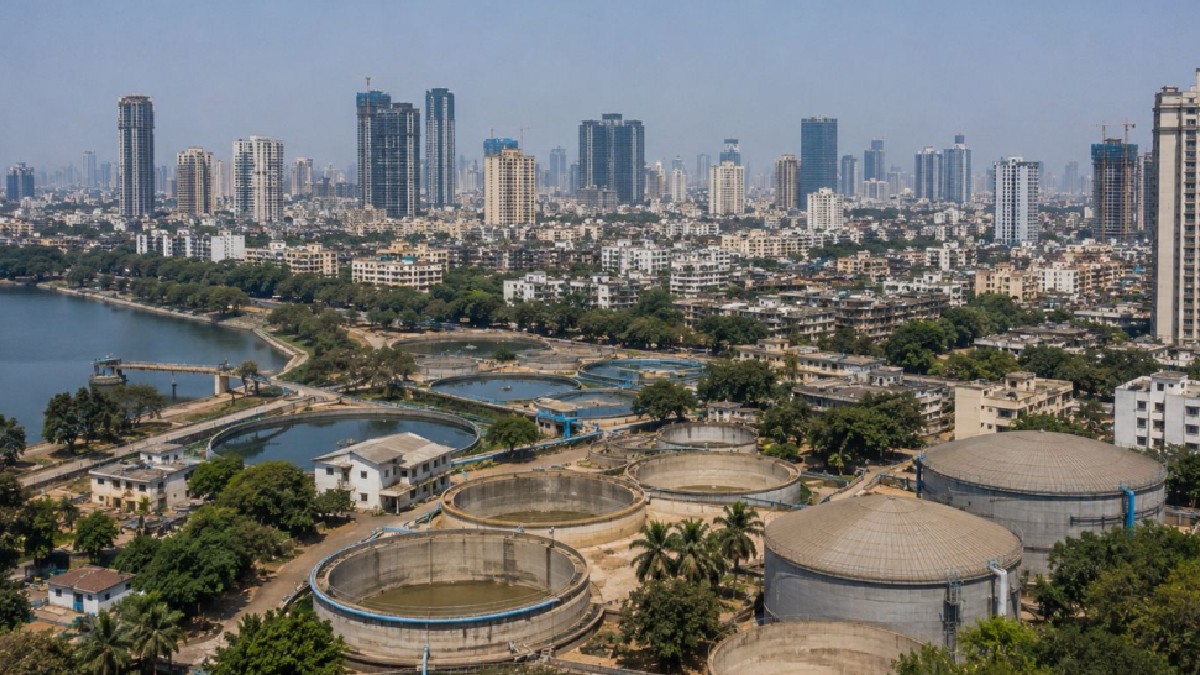
The desalination plant will be built in Manori along Mumbai’s western coastline. The facility will initially have a capacity of 200 million litres of drinking water per day (MLD), and the project has been planned with future expansion in mind so that the production can be increased to 400 MLD if required.
Mumbai Water Bills Likely to Rise as City's First Desalination Project Moves Aheadhttps://t.co/5mZze0IOgt
— TIMES NOW (@TimesNow) July 3, 2026
The contract for the project was awarded to JBPR as a company with experience in desalination technologies and international knowledge of developing such facilities. The Brihanmumbai Municipal Corporation and Central Railway have already approved, and environmental and regulatory clearances are being processed.
Mumbai currently relies on six main reservoirs—Upper Vaitarna, Modak Sagar, Tansa, Bhatsa, Vihar, and Tulsi—for drinking water. These reservoirs depend almost entirely on seasonal monsoon rainfall. However, climate change, unpredictable rainfall patterns, rapid urbanization, and increased water demand have raised concerns about the city’s future water security.
Every year, the city is at risk of water shortages when monsoon rains are lower than average. With Mumbai's growing population, even reservoirs can’t be able to fill all the water needs of the city. Desalination is an alternative solution; it converts seawater into potable drinking water through advanced purification, providing freshwater year-round.
The project is estimated to cost ₹11,166 crore and is expected to take about 48 months to complete. When operational, it will give Mumbai a climate-resilient water source that is not dependent on rainfall and thus will reduce the impact of droughts and weak monsoon seasons.
Desalination is generally more expensive than conventional water treatment because of its high energy requirements, but officials say the investment is necessary for the future to supply water reliably. The BMC also stated that the project will be in accordance with environmental guidelines so as not to interfere with brine disposal and marine ecosystems.
The desalination plant is a strategic investment in Mumbai’s future, experts say. So diversifying its water sources will allow the city to cope better with population growth, climate-related issues, and increasing industrial and domestic water demand.
Even though residents may see a slight increase in their monthly water bill now and then, the government maintains that the extra costs will be small in comparison with the long-term benefits of having a reliable and sustainable drinking water supply. Mumbai’s first desalination project will be one of India’s most important infrastructure projects in the water sector and can play a very important role in heightening the city’s resilience against water crises in the future to address the city’s future water needs.