Mumbai might soon face an even bleaker fate in the coming months when the Brihanmumbai Municipal Corporation (BMC) announced a 10 per cent reduction in the water supply throughout the city from May 15 onwards.
The move mirrors rapidly declining water levels in the reservoirs that provide drinking water to Mumbai as it readies for the monsoon season. Civic officials say the reduced supply is precautionary as they are trying to conserve it until the lakes that feed this precious water get ample rain.
For a couple of weeks now, authorities have encouraged residents and others to use water judiciously, not to turn it into water waste. Mumbai relies on a network of lakes in neighbouring districts for its daily drinking water needs. The reservoirs dip every year’s summer months, and the city authorities also keep a watchful eye on the reservoirs’ storage levels. Before the monsoon even starts, their storage levels are tracked closely ahead of time.
The decision by BMC to announce a 10-per cent cut will allow reserves until sufficient rain is delivered in the southwest monsoon season (BMC). Rain should be delivered immediately and timely, and when it is delayed or below the desired standard, stricter restrictions may need to be imposed later in the season, the civic body said.
The notification is scaring Mumbai’s residents, as well as housing communities and businesses, as more and more people in the city are threatened by rising temperatures and more water usage in the summer of the year. Even some living or residential societies now are getting ready for these consequences by putting in place very detailed guidelines for the water supply, including even making arrangements to wait on tanker availability if necessary.
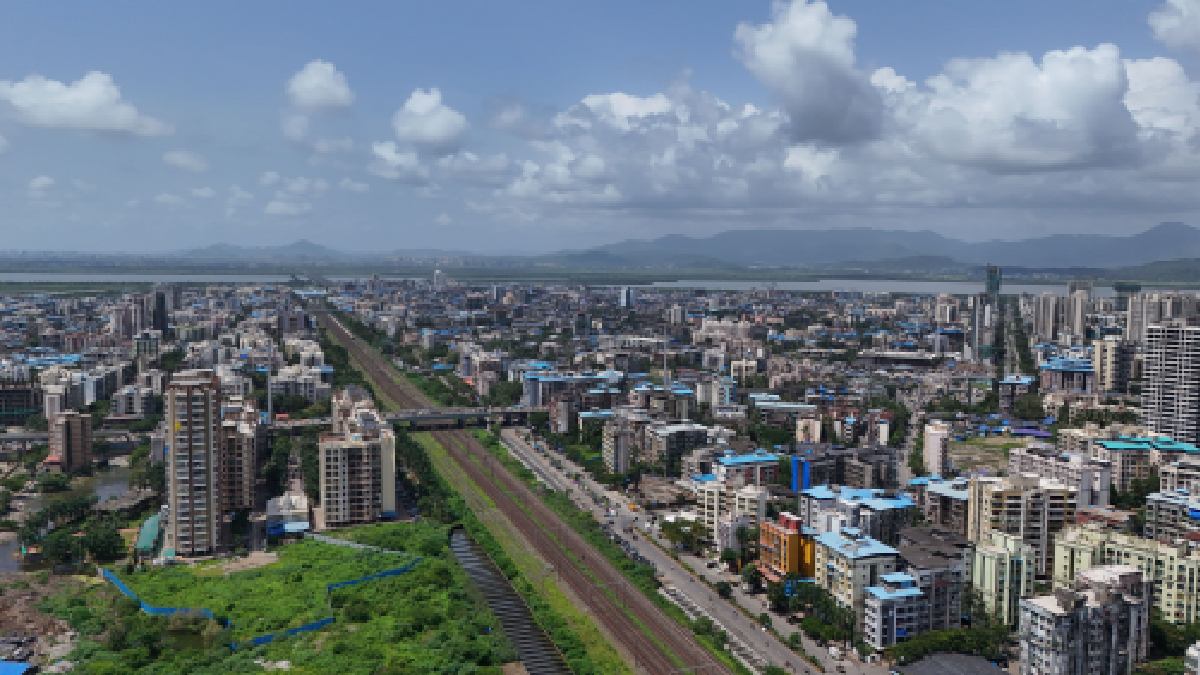
The reduction will be most devastating to those already hit hard and to people with water shortages already affected in parts of the city. The water cut would affect those who live in the city's domestic, commercial and industrial sectors, officials said. Citizens are directed to refrain from wasting water at all costs, washing vehicles, overwatering gardens and wasting water that is in excess of drinking.
Mumbai’s summer water woes in the summer remain a symptom of growing strain on city infrastructure as urban populations grow and variability in climate occurs, experts say. Late monsoons, together with regional rainfall patterns and high demand, have made water management complex in megacities.
The BMC will monitor daily reservoir levels and may make changes to supply plans on the basis of rainfall in the coming week. Weather forecasts of a likely transitory southwest monsoon coming in and across the Andaman and Nicobar this weekend have provided at least some optimism, but officials are cautiously optimistic, awaiting significant rains to filter through Maharashtra’s catchment areas before they are directly met.
Political leaders and opposition parties can now say as well that they cannot rely on the long-term planning and water conservation measures to prevent seasonal scarcity. Environmental scientists have also urged better installation of more sophisticated rainwater collection technology, including on-site systems, recycling facilities, and public advocacy to reduce reliance on the reservoir.
The next few weeks, however, will also be extremely important for Mumbai, because the two main issues for Mumbai are the monsoons. Until then, residents are forced to adapt to a limited water supply, saving and conserving their own. With a 10% water cut that will come into effect on May 15, officials in Mumbai are hoping for rainfall, too, during this period of the month, so that time-based rains will limit a much broader water crisis.