Here’s a shocking incident in Virar, Mumbai, India which has raised troubling concerns over food safety and hygiene. A fruit vendor washed their fruits in overflowing gutter water before selling to customers. To illustrate his point that the water was “clean,” he even drank it himself. It inspires outrage amid the local population and highlights the need for tighter oversight of street food practices.
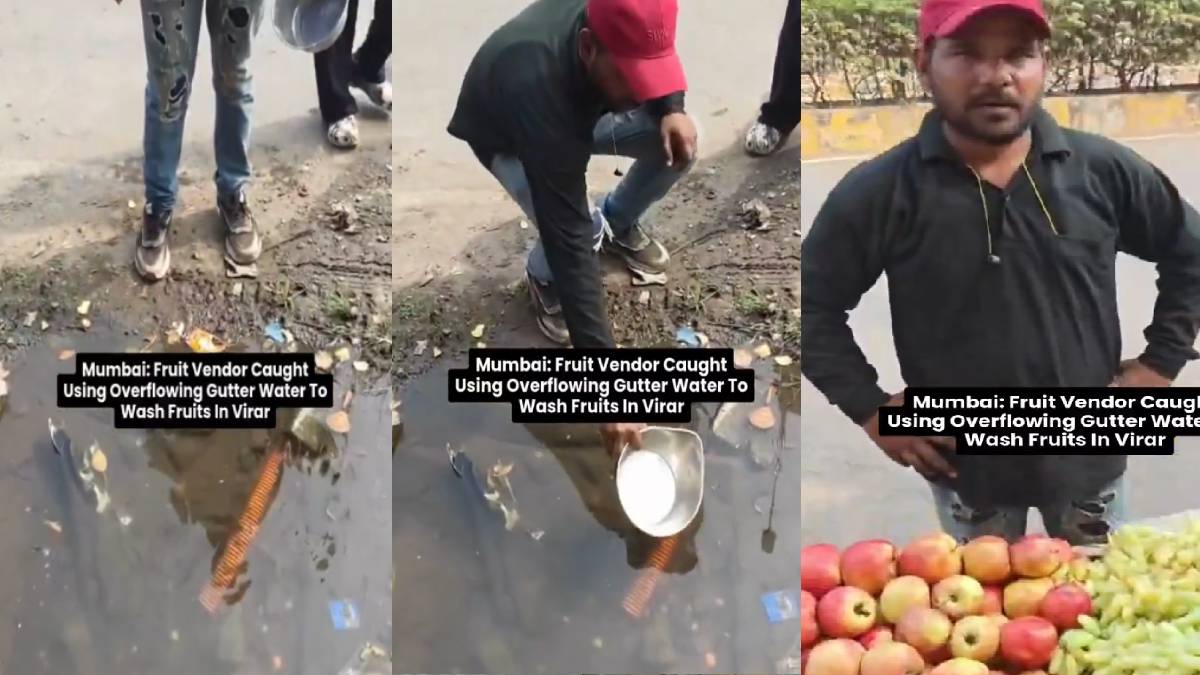
Eyewitnesses said the vendor had been standing by a roadside puddle created when the gutter water overflowed. He was spotted dipping fruits in dirty water, with visible debris inside it. The vendor tried to explain his behavior when confronted with people, drinking the same water. This appalling gesture only raised the alarm even more that his actions were of no concern to people's health or welfare.
The incident swiftly went viral, with videos and images posted on social media platforms. Residents expressed anger and sadness at what they saw -- because "this kind of bad washing of fruits" also puts consumers in danger of serious diseases. How vendors like this might escape proper scrutiny was a question of great concern. The outrage reflects the increasing concern over the unregulated practices in informal food markets in Indian cities.
Washing fruits with contaminated water can give harmful bacteria, viruses, and parasites the scent of germs and bacteria causing serious disease, experts say. Eating fruits of such kind will cause stomach-related diseases, food poisoning and other health problems such as infection. The vendor’s drinking of the water himself does not confirm safety; it exposes ignorance of basic hygiene standards. Public health officials suggest that when washing food items, clean, potable water must always be employed.
This is not the case of one vendor only. It’s indicative of a bigger issue of badly built infrastructure and the lack of enforcement of food safety regulations. On the contrary, street vendors have no access to clean water or adequate facilities which brings unsafe practices. When hygiene is breached, consumers become prey to street food trends because it is cheap and easy to get access to.

The Virar fruit vendor’s shocking act is a wake‑up call for those who are responsible and for the general public. It underscores the pressing need for stricter monitoring of street vendors, improved public awareness of hygiene and tighter enforcement of food safety laws. In the course of street markets which form an integral part of the urban life it is important to maintain cleanliness and safety. Consumers must also remain watchful and insist that they be treated to a higher standard from whoever serves us.