Nainar Nagenthran, BJP chief of Tamil Nadu, has also spoken out for the National Eligibility cum Entrance Test (NEET), saying it has opened up opportunities for students from rural and middle-class backgrounds to enter medical education. His words in Tirunelveli have injected more political space into the debate on NEET and medical admissions in Tamil Nadu.
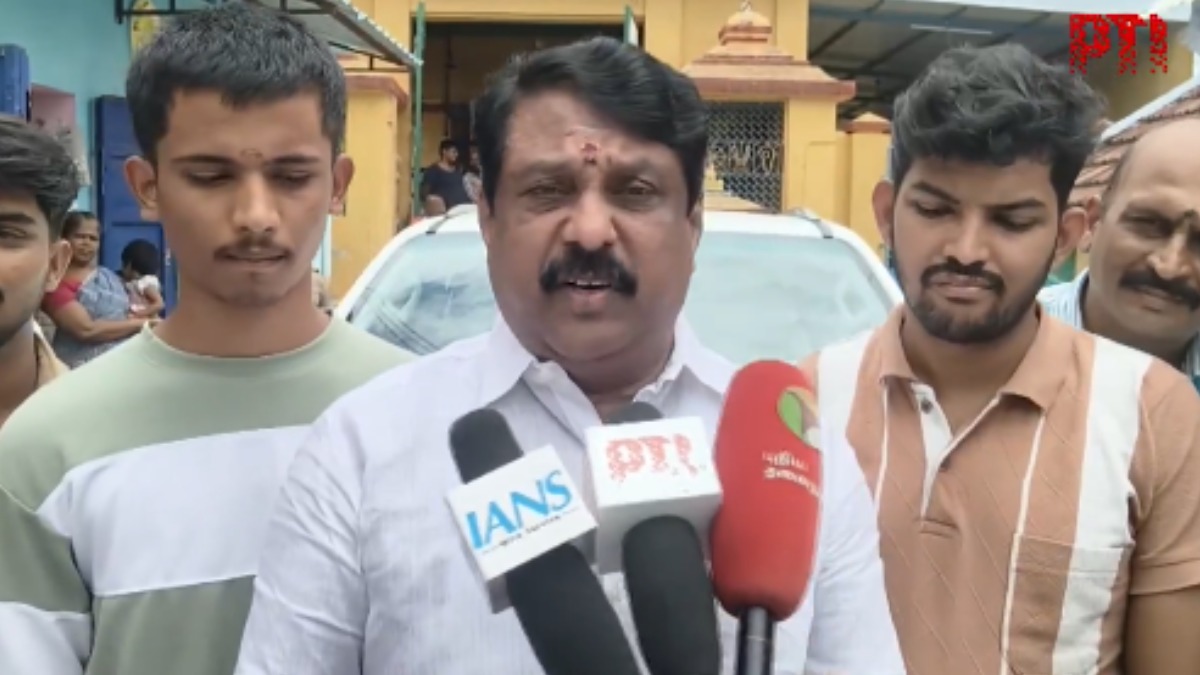
Nagenthran claimed students from rural areas and middle-class families are able to clear NEET and secure MBBS seats now. He compared the present system with the time before Modi as the Prime Minister of India, saying that medical college admissions had been much more accessible to students from the middle class and richer families. His remarks come at a time when Tamil Nadu has been in a political dispute over the NEET's role in medical admissions.
NEET is the entry examination that students are asked to prepare for undergraduate medical courses such as MBBS in India. It has been a very controversial topic in Tamil Nadu and political parties and students have long argued whether a common national entrance test is good enough for students from different educational levels and social class.
NEET supporters have argued that a common examination can establish a standard system for medical admissions and will reduce reliance on individual college entrance processes. And they also argue that a fair merit-based examination can offer students from different areas of the country a chance to compete for medical places.
This is the argument of Nagenthran. By citing the success of rural and middle-class students who successfully passed NEET, the Tamil Nadu BJP leader sought to demonstrate the possibility of students from lesser privileged backgrounds entering the medical profession through a common examination.
But the NEET debate remains complex. Tamil Nadu has long been vocal about the extra preparation for the examination and the benefit of private coaching for students. Also, the state board curriculum and preparation for a competitive exam was perceived differently as being different.
Tamil Nadu has always had a good medical education system and has produced doctors from different social and economic backgrounds. The state’s political leaders have often argued about whether the present system of admission provides equal opportunities for students from government schools and rural areas.
The access issue is therefore at the heart of the NEET debate. Although some students have cleared the exam with government-school education and self-study, others take to coaching classes to prepare for the highly competitive test. The accessibility and cost of such preparation can be very different in urban and rural settings.
Nagenthran’s statement was about the success of rural and middle-class students and their achievement as proof that medical education is not restricted to wealthy families. His remarks are likely to be of interest in Tamil Nadu, where NEET has long been one of the most politically charged issues in education.
The BJP has generally supported NEET as a national-level mechanism for medical admissions, and even various Tamil Nadu parties have opposed the examination or asked for greater flexibility for the state. And this is not just a clash over centralisation, state autonomy and the structure of professional education in India.
Another important aspect of this discussion is the number of medical seats available. There is a big growth in government and private medical colleges as well as the total number of MBBS seats has increased over the last years. Competition for admission is still high as more candidates are seeking admission than there are seats.
For students, clearing NEET is only one step in the admission process. Candidates also need to meet eligibility criteria, participate in counselling and get a seat based on their rank, category, preferences and availability of seats. The cost of medical education can also vary dramatically depending on whether a student gets a government or private college seat.
The economic aspect is particularly relevant to Nagenthran’s argument. Government medical colleges typically have lower tuition than private medical colleges, so it is a very good option for students from middle-income and economically weaker families. Such a position can significantly reduce the cost of becoming a doctor.
At the same time, the cost of preparing for a competitive national examination must also be considered when evaluating accessibility. Students who cannot afford private coaching may face different preparation conditions from those who have access to specialised training.
The political debate is therefore unlikely to disappear. Political leaders from either side of the debate frequently provoke discussions among students, parents, teachers and medical aspirants.
Nagenthran's comments in Tirunelveli have again brought the issue of equal access to medical education into the spotlight. NEET has enabled rural and middle-class students to compete for MBBS seats and pursue careers in medicine, he argues.
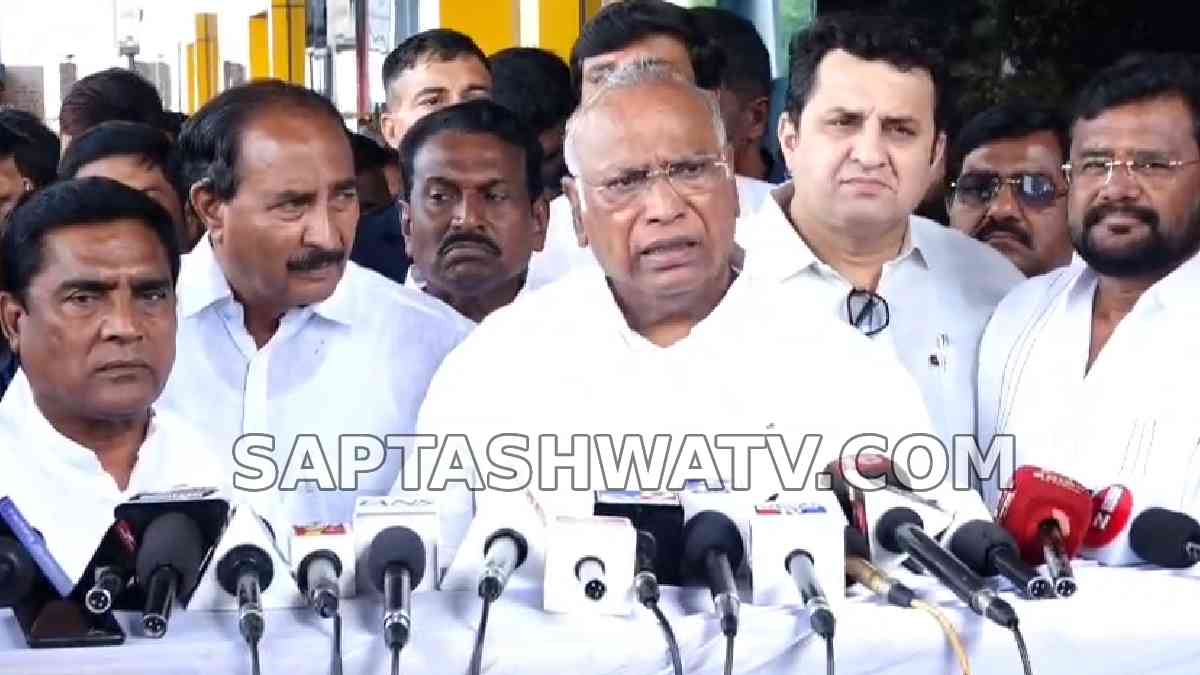
VIDEO | Tirunelveli: “Rural and middle-class students cracking NEET and becoming doctors; before PM Modi, only those with money could secure MBBS seats”, says Tamil Nadu BJP chief Nainar Nagenthran (@NainarBJP).
— Press Trust of India (@PTI_News) August 27, 2026
(Full video available on PTI Videos - https://t.co/d8jp61yd2p) pic.twitter.com/NCmToD8ubG
Whether NEET has actually created more equality or worsened existing educational inequalities remains a matter of debate at present. The answer will depend on school education, coaching access, family income, availability of government medical seats and the overall admission system.
As Tamil Nadu debates its NEET stance, comments like the ones made by Nainar Nagenthran will keep the political and public debate going. But for thousands of medical aspirants and their families, the most important question is how to ensure that talented students regardless of where they live or how much their families earn have a fair chance to pursue medical education.