The historic tourist zone Nandi Hills outside Bengaluru will be closed to visitors on 14 February 2026. The decision was made by the Chikkaballapura District Administration in order to alleviate crowding and keep the people safe. Because Valentine’s Day falls on a Saturday this time, officials expected an unusually high attendance, leading to the closure.
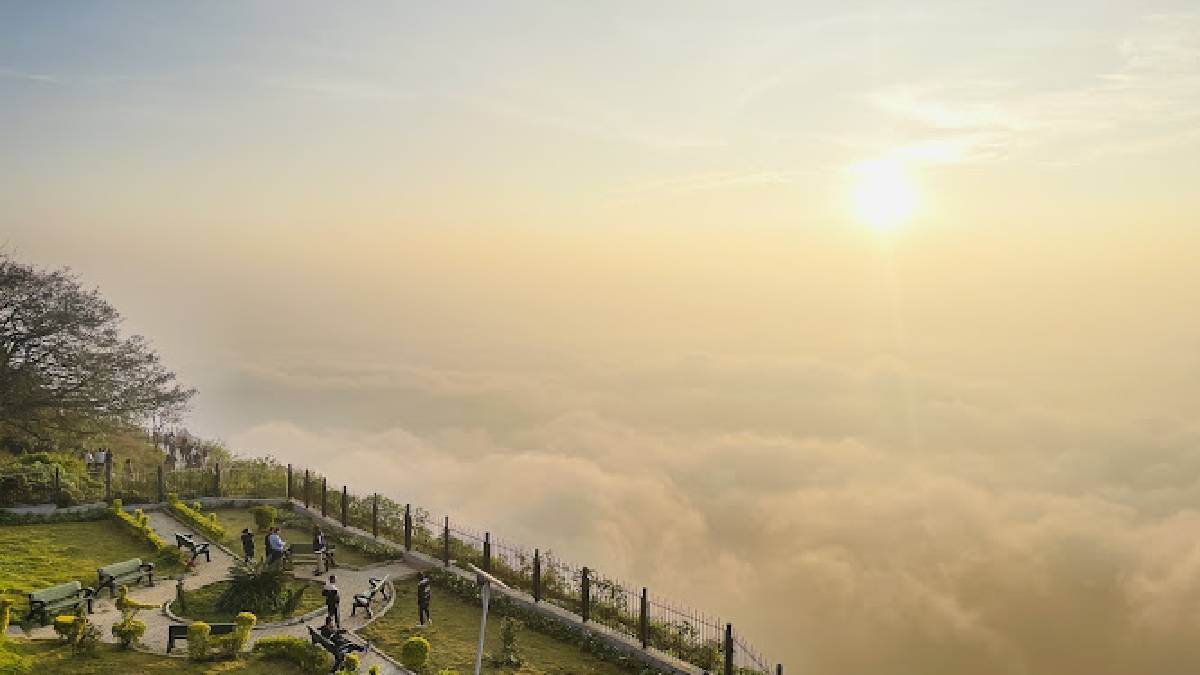
Nandi Hills has one of the most visited weekend getaways outside of Bengaluru with thousands of tourists, couples and families visiting the region. Authorities projected 15,000–20,000 visitors on Valentine’s Day, which may have induced devastating congestion on the narrow ghat road. In order to help prevent accidents, law‑and‑order problems, and mismanagement, the administration opted to impose a blanket ban on tourists and vehicles entering for the day.
The closure will be implemented at dawn to dusk (6 am–6 pm) on 14 February. Security will be in place at entrances to ensure that they are adhered to. Do not plan to visit Nandi Hills this date as there are no exceptions for the trip.
Some tourists complained about the arrangement, but many of the locals backed it even though overcrowding in such a sensitive area meant that this approach would prove costly. One of the conversations on social media points out that safety needs to come first, especially in a place where the roads are steep and likely to be heavily congested.
Officials, for instance, have advised a visit to other gorgeous spots in and around Bengaluru that are still open, in places like Skandagiri Hills, Avalabetta and Anthargange. Some of these places provide trekking, sunrise views and serene scenery, free from danger to overcrowding.

Closing of Nandi Hills for Valentine’s Day 2026 will prevent such problems in the short term so that people should be able to visit as safely as possible and as well as to reduce people’s overcrowding. It may well be an inconvenience for some visitors, but the administration’s move reflects a true commitment to public welfare. For tourists it serves as a wake‑up call to take care and not violate such measures; and for local residents it is a timely reminder to achieve a balance between tourism and safety.