After more than 6 years of shut-down, crossing of India-China border through the historic Nathu La Pass in Sikkim is to be resumed on August 1 and so begins the gradual reopening of bilateral relations between India and China. Both sides of India-China trade will now be revived through a joint decision by both governments to reopen the high altitude Himalayan corridor which has been a vital commercial and cultural link between India’s northeastern state and Tibet.
State authorities in Sikkim have already started extensive preparations for the restart and there is renewed hope for local traders, transport operators, hoteliers and small businesses whose livelihoods have long depended on seasonal cross-border commerce.
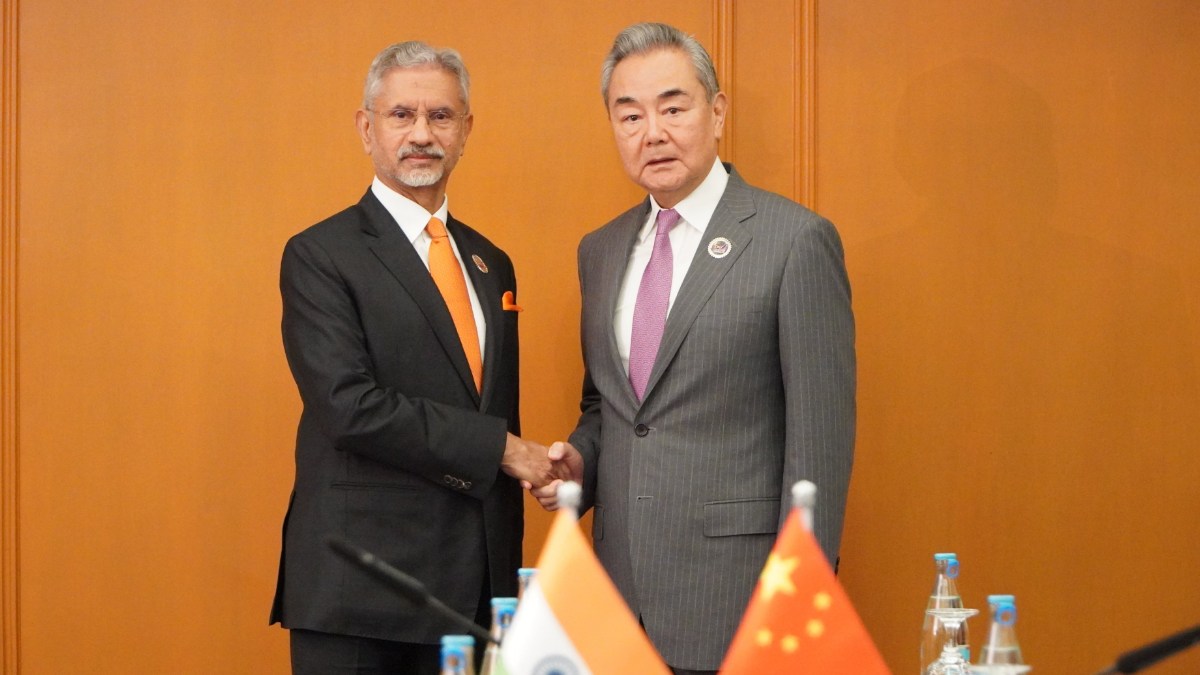
A Strategic and Symbolic Step Forward. The decision comes after a series of incremental confidence-building moves by New Delhi and Beijing after years of strain in relations following the 2020 eastern Ladakh military conflict. Both nations have been steadily restoring diplomatic and civilian relations with a revival of the traditional Kailash Mansarovar Yatra, direct commercial flight restorations to the area and agreements to reactive border trading points. While the larger territorial dispute along the Line of Actual Control is yet to be resolved, diplomats see the return to trade at Nathu La as a significant step towards tangible economic cooperation.
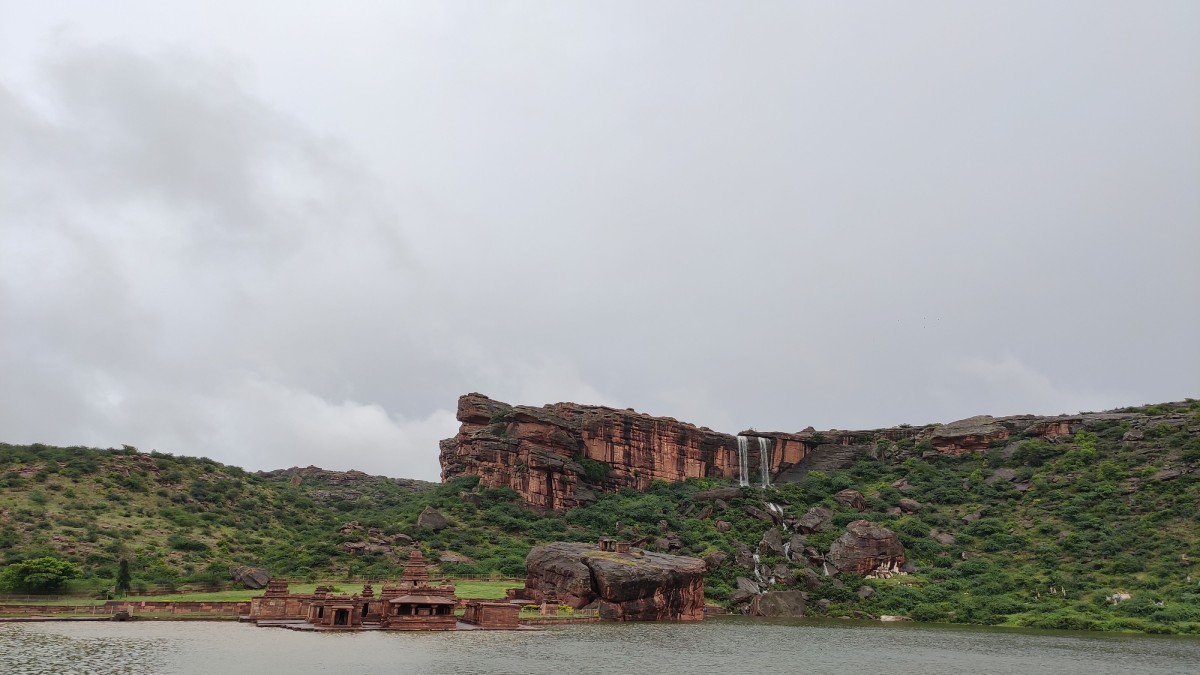
Nathu La is located roughly 54 kilometers from Gangtok with an elevation of about 4,310 meters (14,140 feet) in the eastern Himalayas. A well-established section of the Silk Route, the pass comes from Tibetan words for “Listening Ears Pass” which was closed down after the 1962 India-China war due to a collapse of diplomatic ties and reopened on 6 July 2006 as a symbol of improving relations. But commercial activity was halted in 2020 due to the COVID-19 pandemic and then frozen due to increased military tensions after the Galwan Valley clashes.
Regulated Commodities and Economic Impact. Trade through Nathu La is done in an entirely different way and is conducted within mutually agreed international spheres. Permitted trade is seasonal and restricted to traders who are in a good position to comply with customs and security. India’s export basket has traditionally included agricultural items, blankets, textiles, tea, coffee, edible oil, bicycles and household goods, while imports from the Tibetan side have included raw wool, yak tails, goat skins, medicinal herbs and traditional carpets.
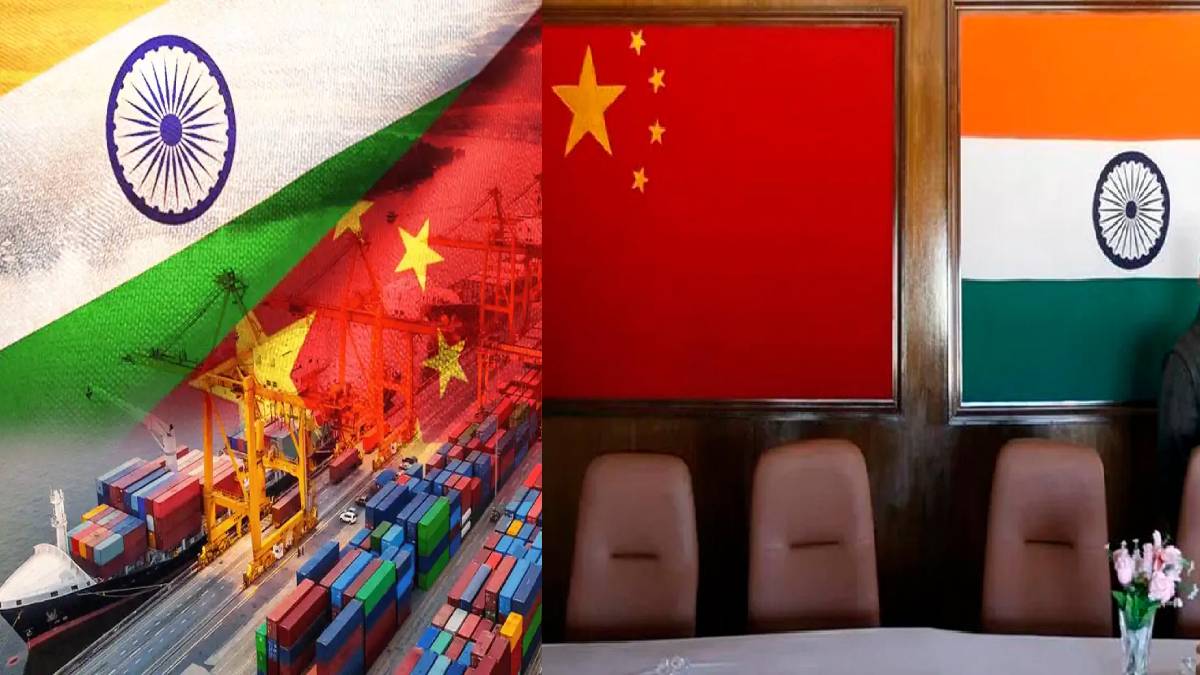
Nathu La has huge strategic importance beyond its economic benefits on Sikkim's border districts. Situated in the very sensitive Chumbi Valley -- where the borders of India, Bhutan and China converge -- the reopening carries heavy symbolic weight. It shows both Asian powerhouses can come to a compromise and work in ways that are mutually beneficial despite the political and territorial challenges.