National Eye Donation Day is an opportunity to talk about a simple decision that can potentially change the lives of others: pledging to donate one’s eyes after death.
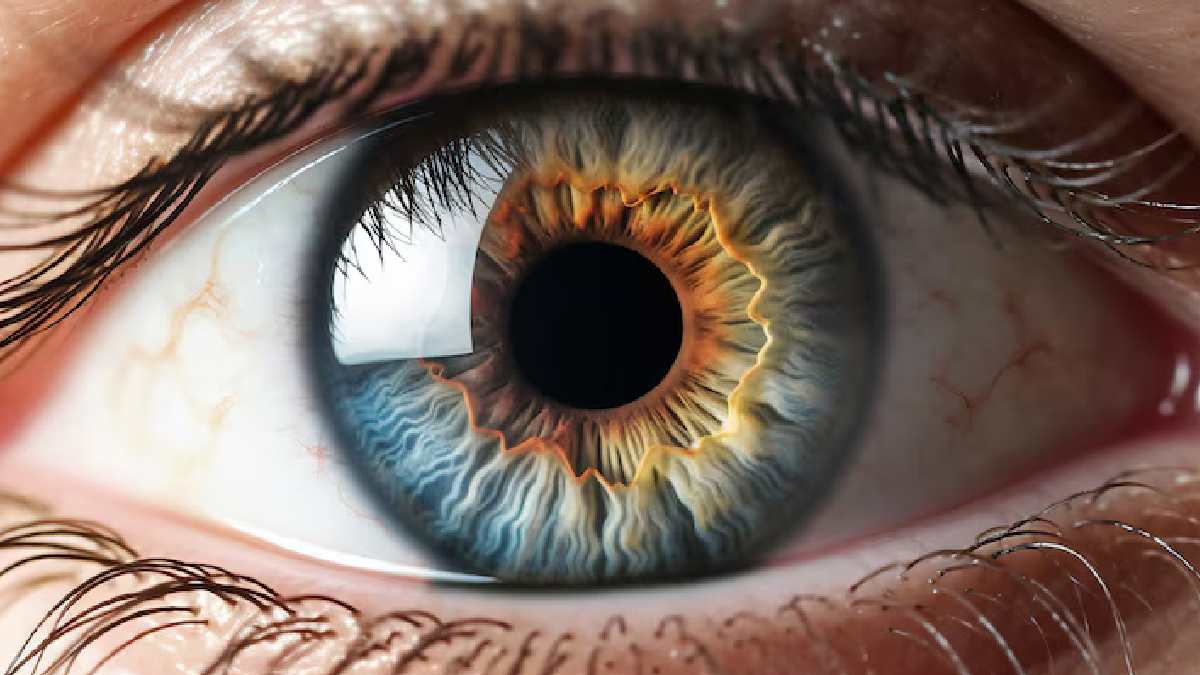
Despite the prevalence of awareness campaigns, there are still some myths and misconceptions about eye donation in India.
One common misconception is that donating eyes means the whole eye is removed and the donor’s face will be visibly altered. In reality, eye donation involves removing the corneas and other eye tissues, and the procedure is carried out carefully so that the donor’s appearance is maintained.
As for people who are young or otherwise healthy but unable to donate their eyes, that is not true. Age and some medical conditions don’t necessarily prevent donation.
After death, medical professionals determine if donated tissue can be used for transplantation or research.
Many people think eye donation will delay funeral arrangements. But the collection process is generally designed to be completed as quickly as possible.
Families are encouraged to contact an eye bank soon after death, as timely retrieval helps preserve the suitability of the donated corneas.
There is also a common fear that doctors might compromise treatment if a patient is registered as an eye donor. This is a misconception.
Medical teams treating a patient have the duty to provide appropriate medical care. Only after death has been declared according to medical and legal procedures will donations be considered.
Another question is whether someone who has pledged to donate their eyes can change their mind. A pledge is a word of intent, and the people who make a commitment can talk about what they want to do with their family.
Corneal donation is a big deal. Corneal blindness patients can benefit from a donated cornea because of the opportunity for them to regain their vision. This gives eye donation more than a symbolic gesture it can really help another person’s future.
National Eye Donation Day also emphasizes the importance of openly discussing end-of-life wishes. Organ or eye donation is hard to discuss with families, and death is difficult to talk about. But having such a conversation before it happens would reduce confusion and help relatives hear the donor’s wishes.
Eye donation is about emotion, but it is not about misinformation. Distinguishing facts from myths can help people to consider donation and communicate with their families about it.
The point of National Eye Donation Day is simple, really: one person’s decision after death can make one person look at the world differently, and that one person’s decision after death will make another person see the world differently.
Uncovering the myths about eye donation would be one of the most important ways to encourage awareness and engagement.