When disaster strikes, rescue teams are often the only hope for people trapped in life-threatening situations. In Nepal, one woman is a remarkable figure in the rescue effort - Captain Priya Adhikari, Nepal's first female helicopter captain.
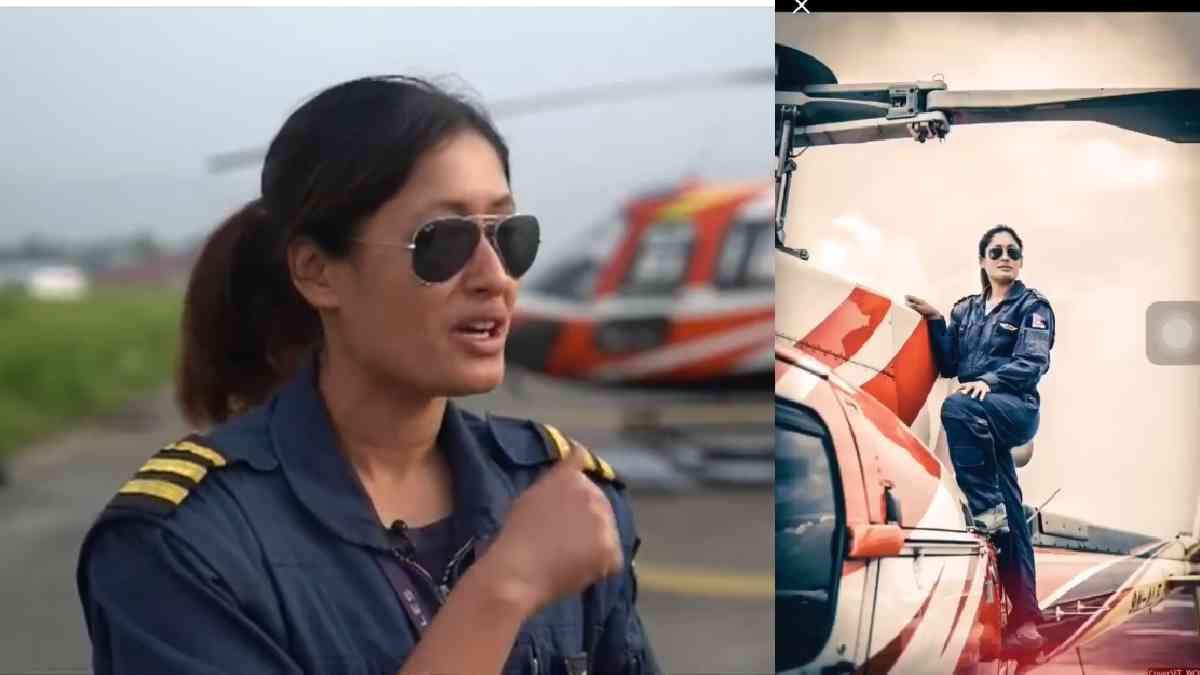
Her story is one of courage, endurance and extraordinary commitment. As thousands of people struggled for survival when swollen rivers swept through settlements, Priya took to the skies to reach those who could not be rescued by conventional means.
More Than 100 Rescue Missions in Six Days
Captain Priya Adhikari has been said to have carried out more than 100 rescue missions in less than six days and helped evacuate 250 to 300 people from flood-affected and hard-to-reach regions.
Rescue operations were far from routine. From the air, many areas affected by the floods were almost completely covered in mud and water. Landing a helicopter in such a situation was very difficult, as it was unstable ground and pilots and passengers had serious risk of being damaged at the time of landing.
Though dangerous, Priya continued to fly from one rescue operation to another. Helicopter evacuations reportedly rescued multiple people at a time, with reports that as many as three to five people were rescued during individual operations depending on the circumstances.
Flying Through Extreme Pressure
The scale of the rescue operation was another big challenge. There were also several helicopters involved in the rescue effort at the same time, which were in very tight valleys where a lot of stranded people were waiting to be rescued.
Priya has described the operation as extremely demanding, with pilots having to keep in constant communication and coordination. In some parts, 20 helicopters were reportedly operating around the same point.
For pilots, that meant monitoring the surrounding aircraft and assessing the terrain and, at the same time, the people waiting for rescue.
Fatigue was another major concern. Rescue crews were not spending any time resting in the emergency situation.
Landing on Dangerous Ground
Floodwater also transformed fields and open areas into deep, unstable mud. Such locations could not be treated like ordinary helicopter landing zones.
A small error while landing or taking off could put the aircraft and everyone on board at risk. Yet the pilots stayed in these desperate conditions because a helicopter could make a life-or-death difference to the people on the ground below.
For Priya, the exhaustion became insignificant when she saw the rescued people in the helicopter safely.
The 4,000-Metre Rescue
Priya Adhikari’s rescue experience is reported to extend beyond the recent flood operations. One of the most challenging missions she has done in her career is to rescue a young girl from an extremely difficult location at an altitude of around 4,000 metres.
The challenge of rescuing people at such elevations is that with the terrain, weather conditions, and limited landing options, rescue at these high altitudes is unique and difficult. It requires considerable skill and precision to operate a helicopter safely in mountainous regions.
She has become an inspirational figure for women who wish to enter aviation and other male-dominated professions.
A Symbol of Courage
Captain Priya’s story goes beyond the number of missions she has completed. Her work shows the vital role helicopter pilots play in disaster relief in a country like Nepal, where the mountainous terrain makes roads and traditional rescue routes inaccessible.
Her reported efforts in the flood crisis are indicative of how aviation can be a lifeline in times of need. Priya and other rescue personnel didn’t give up, continuing to fly into dangerous conditions when people were desperate and looking for a way out.
For the people rescued from rooftops, flooded settlements and remote areas, the arrival of a helicopter represented hope.
The tale of Captain Priya Adhikari is now being seen as an inspiring one and a good example of determination and service. It’s also a lesson to women that even in the most challenging and high-risk professions they can excel.
Priya has been involved in a series of challenging missions to fly high-altitude rescue missions and navigate the safety of the rescue scene and unstable landing sites. Her work in Nepal’s flood rescue efforts has placed her among the women whose courage continues to inspire millions of people now.