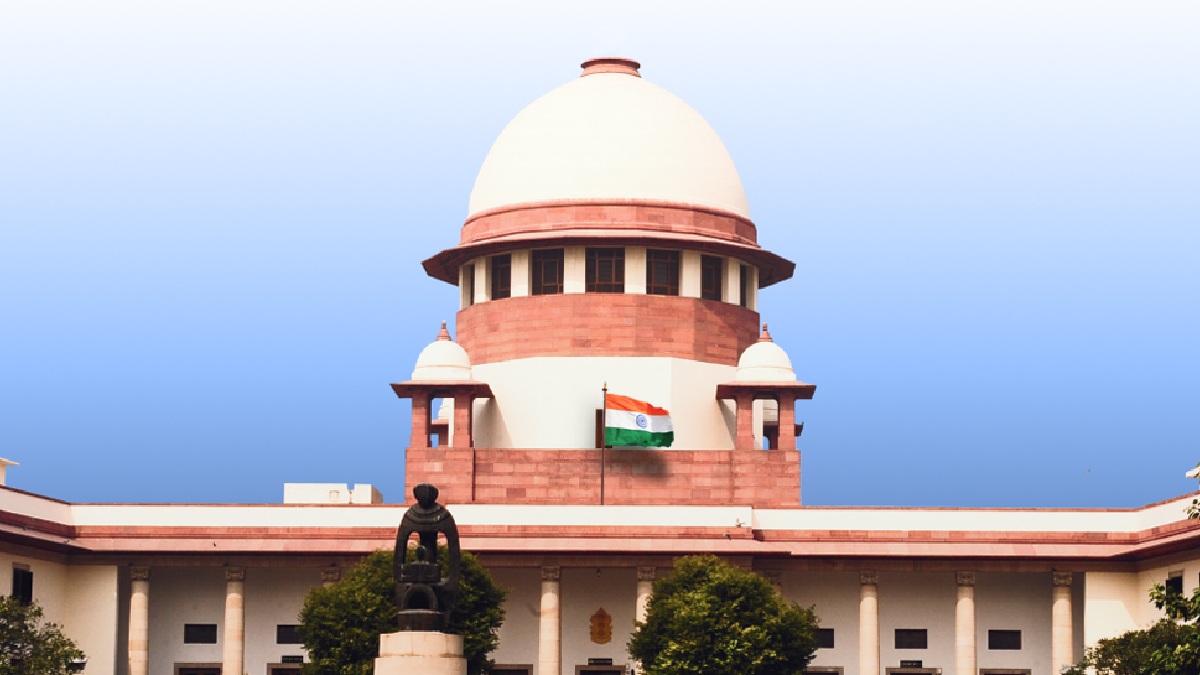
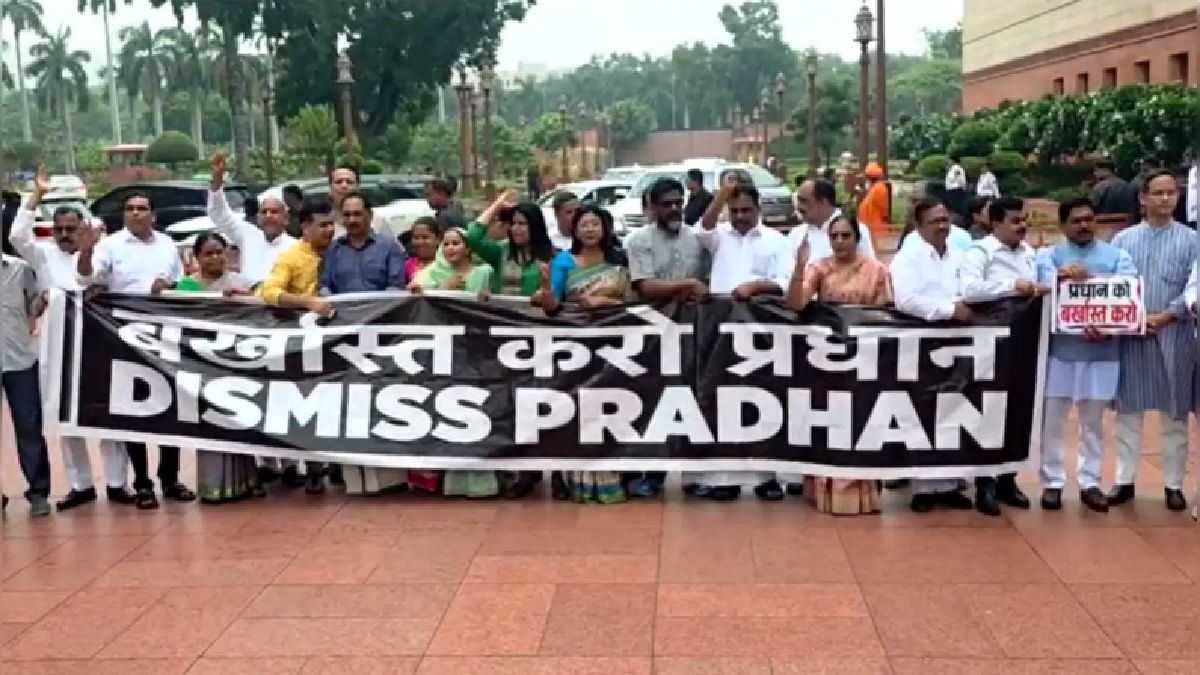
A batch of petitions on Friday challenged the conduct of the NEET-UG 2026 examination after the paper leak controversy was heard in the Supreme Court, in the wake of which the examination was made public, but the court not only held a debate about the purported irregularities but also proposed some long-term reforms to improve the functioning of the National Testing Agency (NTA).
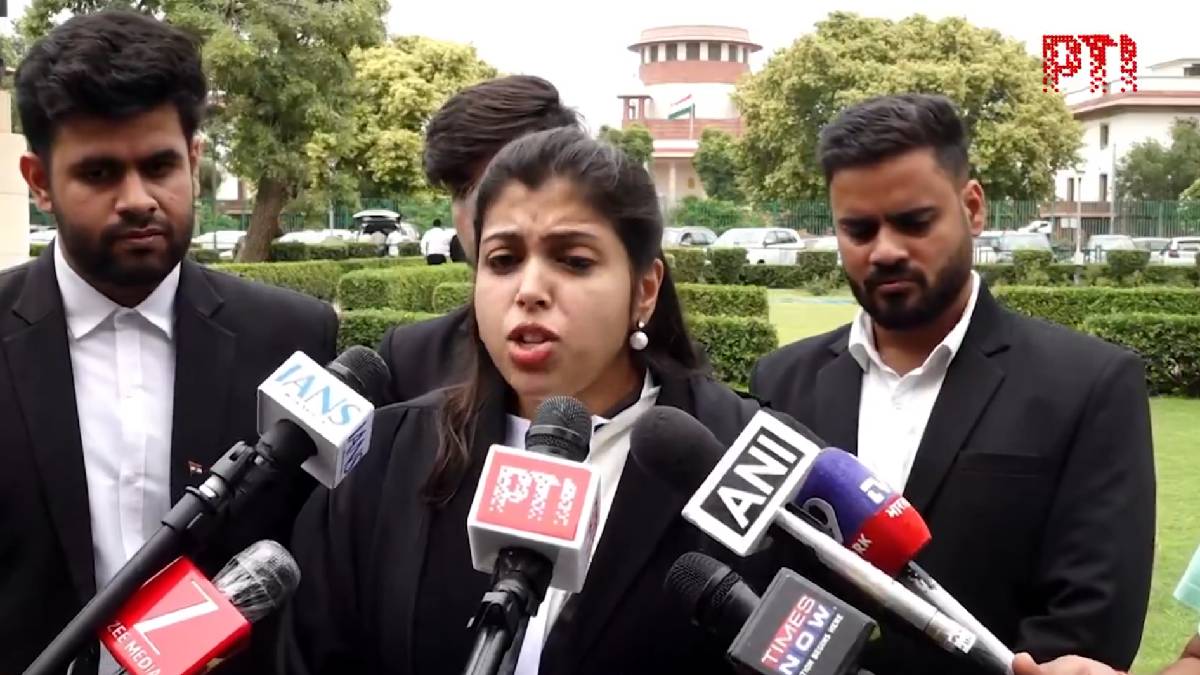
Tanvi Dubey, an advocate of the Federation of All India Medical Association (FAIMA), spoke of the hearing as a major one, saying that the Centre had assured the court it was taking positive steps to improve the examination system and it would consider the court’s suggestions.
VIDEO | Delhi: Tanvi Dubey advocate for Federation of All India Medical Association (FAIMA) on Supreme Court hearing on NEET paper leak, says, "Today the Supreme Court was hearing a batch of petitions challenging the conduct of NEET UG and especially in the wake of the paper leak… pic.twitter.com/JIsIa2BbwB
— Press Trust of India (@PTI_News) July 24, 2026
According to Dubey, FAIMA is among the petitioners that went to the Supreme Court seeking judicial intervention after the controversy that followed the NEET-UG examination and the subsequent conduct of another examination.
She said the government assured the court it was committed to implementing reforms and offered to do so when the court called for recommendations to improve the examination process. Dubey said such an assurance from the Centre was an important assurance in the hearing.
The Supreme Court’s focus on the institutionalisation of the National Testing Agency was one of the key themes of the hearing. Rather than just focusing on the facts of the current issue, the court said it was looking at broader structural reforms to avoid the same events occurring again.
The court has repeatedly stressed that institutional mechanisms for the NTA to be stronger to keep public confidence in entrance exams at the national level are needed. Reforms should not just be for that one year examination but should also create a robust system to prevent future problems, it said.
The Supreme Court directed the government to take note of some of the points raised during the hearing and incorporate them into a comprehensive affidavit, Dubey said. The court gave the Centre one week's time to lodge the affidavit on the observations and directions made during the proceedings.
The affidavit will outline the government's proposed measures for improving examination security, administrative processes, and institutional safeguards in the NTA. It might also address the concerns of petitioners regarding the conduct of the examination and mechanisms for preventing paper leaks.
The NEET-UG paper leak has stirred up intense debate across the country, with students, parents, medical associations, education experts, and others demanding stronger safeguards to protect the integrity of competitive examinations. Several petitions were filed before the Supreme Court, seeking various directions regarding the examination process.
The case has also revived the debate about examination security, technological protection, accountability, and the governance of agencies that conduct large-scale national entrance tests. Such transparency and institutional resilience are essential if we are to maintain the credibility of examinations that decide the academic futures of millions of students, experts say.
Now that the Centre will have to file an affidavit within a week, the matter will be taken up again with the Supreme Court. The outcome of this process will have major repercussions on the NTA as a whole and competitive examinations across India.