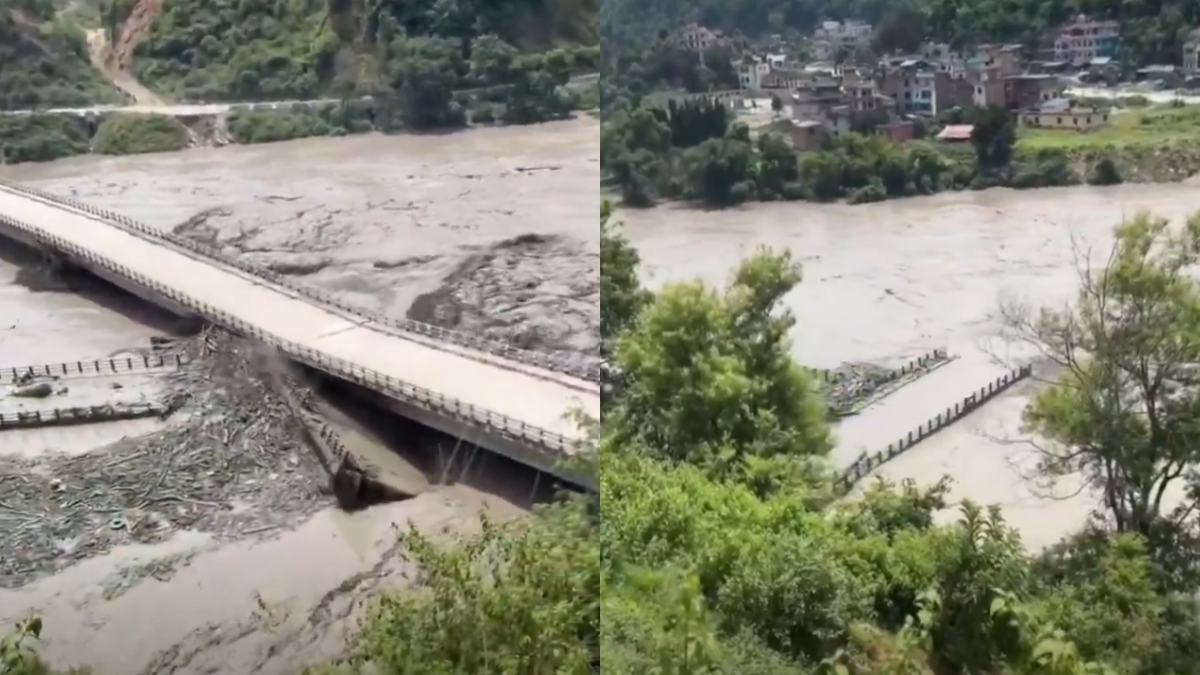
The devastating flash floods in Nepal’s Himalayan region have interrupted the annual Kailash Mansarovar Yatra and forced nearly 400 pilgrims to be out of contact, raising concerns among both officials and families in India and Nepal.
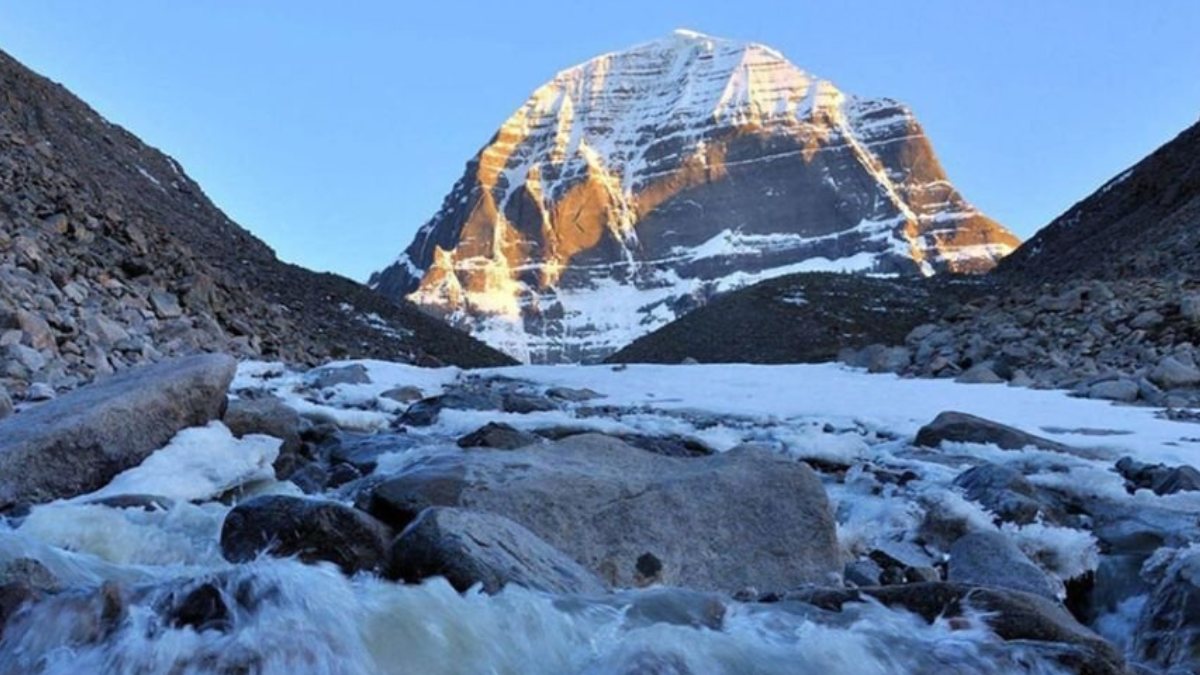
It’s water, mud, and debris that have been thrown into mountainous border regions near China, devastating roads, bridges, and communication networks that are the main transit points for pilgrims who travel to Mount Kailash and Lake Mansarovar.
The floods struck areas of northern Nepal with little warning in places where pilgrims were going and damaged important roads that they were travelling on in the region. The Kailash Mansarovar Yatra, one of the most important pilgrimages for Hindus, Buddhists, Jains, and followers of the Bon faith, attracts thousands of devotees every year. Nepal is the gateway to the venerated places that reside in the Tibet Autonomous Region of China.
Almost 400 pilgrims are already out of contact because of communication breakdowns and blocked access routes, and officials said being out of contact does not mean the pilgrims are missing or injured, but families are anxious and waiting for news of their loved ones. Rescue teams are trying to check the locations and safety of travellers and reestablish communication in affected areas.
The worst-hit areas are around the Nepal-China border where floodwaters have washed away bridges, roads, and some structures. Search-and-rescue teams from the Nepal Army, Armed Police Force, and local emergency agencies are searching for trapped people and helping affected communities. Helicopters are being used to reach remote areas where road access has been completely cut off.
Flash floods may have been triggered by a glacial or landslide-related event in the higher Himalayas and caused a sudden surge of water downstream. As the climatic conditions are changing and glacial lake outburst floods, landslides, and extreme weather events are more common in the region, experts say that such events are more prevalent in the region. In many floodwater valleys and in the settlements, huge quantities of rocks, mud, and debris were deposited.
Since there are many Indian citizens in the Kailash Mansarovar Yatra, the Indian government is monitoring the situation closely. Nepalese and Indian officials have set up coordination mechanisms to get information about pilgrims and give assistance where needed. Ministry of External Affairs and Indian Embassy officials are in touch with local officials to monitor and assist affected travellers.
Family members of pilgrims are anxious about their loved ones’ location and safety. Some of the travel operators that are organising the pilgrimage have established emergency response teams and helplines to help pilgrims and their family members. There are also many efforts in process to compile the latest passenger lists and verify data from different points along the pilgrimage route.
The disaster has also exposed the vulnerability of high-altitude travel corridors in the Himalayan region that are especially challenging. The Kailash Mansarovar Yatra usually involves difficult terrain, unpredictable weather conditions, and long trips through remote mountain areas. Natural disasters can quickly disrupt travel and rescue operations and make emergency response very difficult.
But people who have been affected by the incident say they hope that the majority of those who are still out of contact will be found safe during the rescue efforts. To this end, emergency teams are working to restore communication and transportation routes to help relieve the stranded pilgrims.
As search efforts take shape, governments and disaster response agencies are urging patience because communication disruptions in remote mountainous areas can stifle accurate information. The next few weeks will determine the full impact of the floods on the Kailash Mansarovar pilgrimage and the rest of the Himalayan region.