The Nethravathi river near the famous pilgrimage town of Dharmasthala was flowing with much more force on Monday evening as relentless monsoon rains continued to lash the Charmadi Ghats and surrounding parts of Karnataka’s Western Ghats. The steady downpour over the last several days has greatly increased the river's water level, making it beautiful yet potentially hazardous to be on its banks.
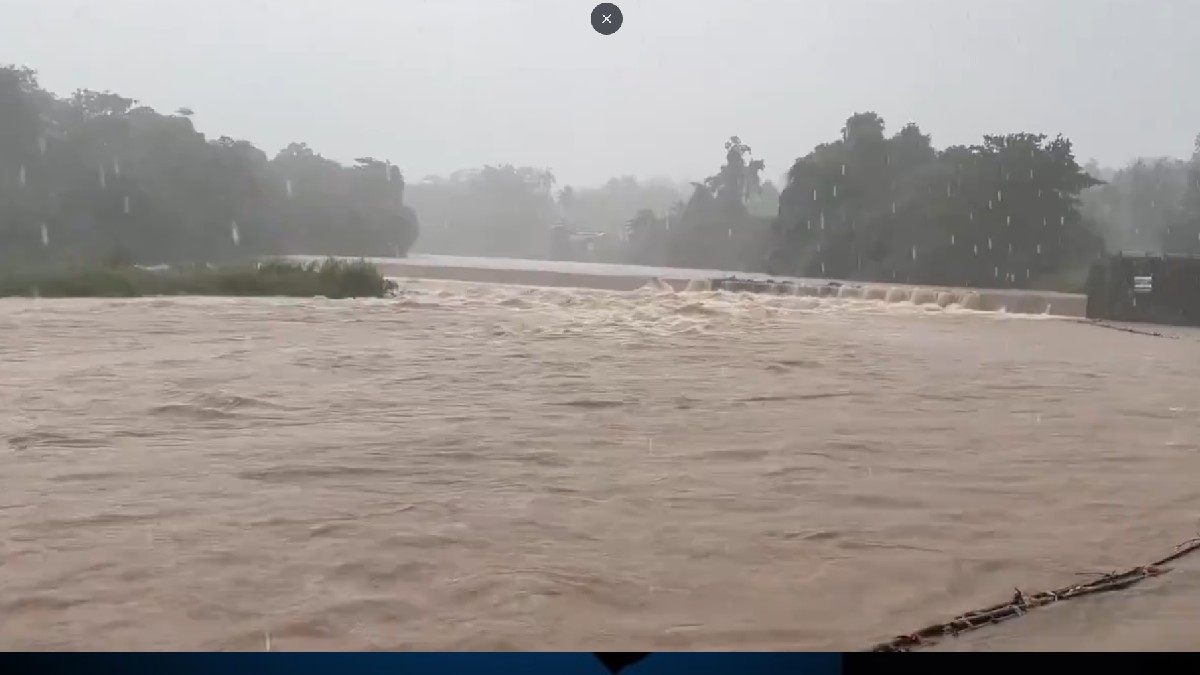
The southwest monsoon has been particularly active across the Western Ghats this season, and the hill ranges around Charmadi are receiving continuous rainfall. Since these forested mountains act as the main catchment area, rainwater quickly flows into streams and tributaries that eventually feed the Nethravathi River, and so water levels rise rapidly.
At Dharmasthala, the swollen river caught the attention of both pilgrims and nature lovers. The overflowing river is a sight to see, and the power of nature is great, but officials and local people are warning visitors to stay away from the river and keep their distance from the fast-moving waters.
Heavy Rain Continues Across Charmadi Ghats
The Charmadi Ghats, one of Karnataka’s most beautiful mountain passes connecting Dakshina Kannada and Chikkamagaluru districts, continue to experience heavy rainfall, dense fog, and low visibility. The lush greenery and winding roads of the area are particularly vulnerable during the monsoon because of waterlogging, rockfalls, and even landslides.
There is always heavy rainfall, and waterfalls are flowing in streams and waterfalls in the Western Ghats, and there is water in streams and waterfalls across the Western Ghats as well, with tourists in the Western Ghats, and there is a lot of water flowing. Drivers driving through the ghat section should be careful, do not exceed the speed limit, and keep track of the road conditions and stay updated with road conditions.
Nethravathi River: The Lifeline for Coastal Karnataka
The Nethravathi River originates in the Western Ghats and is one of the most important rivers in Karnataka. It flows through numerous districts before emptying into the Arabian Sea near Mangaluru. The river has a major role in providing drinking water, supporting agriculture, supporting fisheries, and maintaining the ecological balance of the coastal region.
There is a major increase in water flow into the river during the monsoon, as rains from the surrounding hills wash into its basin. This seasonal increase provides the reservoirs and groundwater with water to recharge, but also requires that people living along the river banks be more vigilant.
Pilgrims and Tourists to Exercise Caution
Dharmasthala attracts thousands of devotees every day, and the monsoon season brings a special charm to the temple city. Local authorities are advising pilgrims and visitors not to enter the river or take pictures from unsafe spots near overflowing banks.
Fast-moving currents can be deadly in minutes, and even shallow waters that look relatively shallow at the surface may conceivably be covered by strong underwater flows. Visitors should be warned to follow local authorities’ warnings to avoid crossing flooded roads or low-lying bridges.
Monsoon Boosts Water Resources
The heavy rainfall has significantly enhanced the water availability in Dakshina Kannada and neighbouring districts. Rivers, lakes, reservoirs, and groundwater sources have all benefited from the long monsoon period and the good forecast for agriculture and drinking water supply in the next few months.
Farmers are optimistic that the abundant rainfall will support paddy cultivation and other seasonal crops. Rejuvenation of rivers like the Nethravathi is also good for local ecosystems, wildlife habitat, and hydroelectric capabilities across the Western Ghats.
Travel Advisory for Ghat Roads
Travellers going to Dharmasthala, Ujire, Charmadi, or Chikkamagaluru are warned to be alert as weather conditions can change quickly during the monsoon. Heavy rain may cause slippery roads, poor visibility, waterlogging, and sometimes traffic delays.
Authorities recommend:
- Driving slowly through ghat sections.
- Do not add unnecessary travel during heavy rain.
- Stay informed about the weather and road updates.
- Never cross flooded roads or streams.
- Have emergency kits when traveling in remote areas.
- Nature at its highest.
The Western Ghats have turned from a monsoon-ravaged valley to a lush green forest. The roaring Nethravathi River near Dharmasthala is a good reminder of the power and beauty of nature at play in the rainy season in Karnataka.
For photographers and nature lovers, the places are more beautiful, for nature lovers but responsible tourism and safe travel and monitoring of safety policies are crucial in order to have a safe and enjoyable experience in the vicinity.
River Nethravathi as seen last evening near Dharmasthala 🌧️☔️
— ರವಿ ಕೀರ್ತಿ ಗೌಡ (@ravikeerthi22) July 7, 2026
Heavy rain continues in Charmadi ghats side.@dinesh362453666 #KarnatakaRains
VC : Harish Babu Tumakuru https://t.co/2tJ8lkVjM1 pic.twitter.com/0vEcGv4cWS
Final Thoughts
These days, the rising waters of the Nethravathi River near Dharmasthala are proof of this year’s monsoon in Karnataka’s Western Ghats. But the rain is also bringing much-needed relief for water resources and agriculture, but it also brings a sense of danger to the people of the country, pilgrims, and travellers.
The Charmadi Ghats are also experiencing heavy rains and river levels and road conditions are on high water levels and road conditions are still high at the Charmadi Ghats as heavy rains continue to pour over the Charmadi Ghats, so authorities are closely monitoring river levels and road conditions. Visitors should not forget to admire the beauty of the monsoon from safe locations and follow the guidelines issued by the government for safe transportation and stay safe during this year’s weather-dependent season.