Sikkim is working on an integrated online permit system for a number of restricted and protected tourist destinations that the state government says will make travel more convenient and increase transparency and prevent revenue leakages. But the proposal has already triggered a debate on whether private agencies can track tourist vehicles, data ownership and a huge rise in permit charges.
The newly proposed digital platform will bring permit applications for a number of popular destinations into one place. These include Nathula Pass, Tsomgo Lake, Baba Mandir, Lachen, Lachung, Yumthang and Gurudongmar. In terms of permits for such destinations, there are so many processes. Under the proposed arrangement, Sikkim-based tour operators would apply for a permit online and the Tourism Department would take care of them.
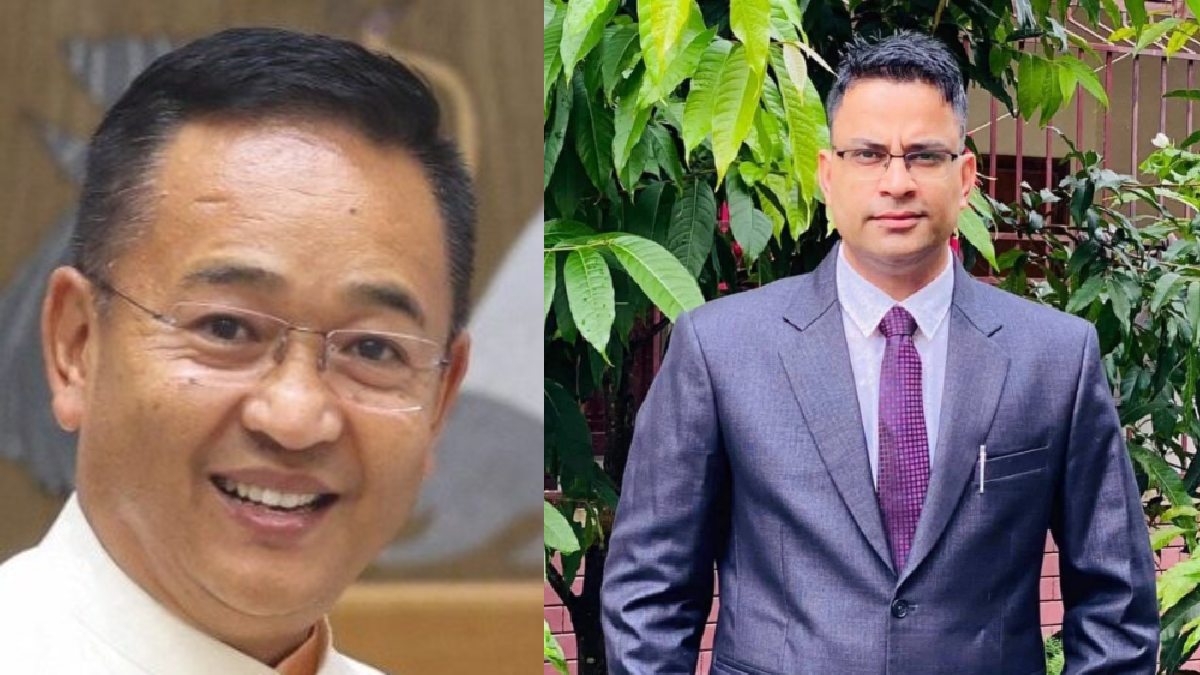
Sikkim Chief Minister Prem Singh Golay has defended the proposal saying that the new system is primarily meant to make the existing procedure transparent so as to give the government the revenue that it needs to collect. Golay said the current permit system has led to a big gap between the number of tourists who visit restricted zones and the revenue that gets to the state government.
Golay said around 15.68 lakh tourists visited areas close to the India-China border, including Nathula Pass, Tsomgo Lake and Baba Mandir, during 2025. At the current permit rate of Rs 200, this number could have generated approximately Rs 31.36 crore. However, only around Rs 3.64 crore reached the government, according to figures cited by the Chief Minister.
Tourism Secretary Raj Yadav also pointed out the huge discrepancy in official records. Tourism Department records, he said, indicated that only about 34,000 people were granted permits, while officials were told by the police that about 17.64 lakh visitors had travelled to the areas concerned. But Yadav cautions that even the police numbers could not be regarded as tourists who were required to apply for permits.
The government has not yet quantified the actual amount lost through the existing system. Yadav said the success of the proposed online mechanism would be assessed by whether government revenue increases after its implementation.
Another big issue is the role of private agencies. The government has made it clear that it does not intend to hand over the permit system to a private company. Golay said a service provider would be able to manage the technical platform, but all the authority would be with Sikkim Tourism Department. The government also explained that data generated through the system and the revenue collected will remain under government control.
Yadav said a private agency could be involved in developing the portal and providing technology, including AI-based management tools. However, he said the government would still be responsible for controlling, supervising and implementing the system. Agreements would be signed with the Tourism Department and Sikkim-based agencies first to demonstrate their capabilities.
The opposition BJP’s Sikkim unit, however, has been seeking clarity on the proposed private sector role. BJP spokesperson Passang Gyali Sherpa said the party was not against the use of technology but the government should still own the permit system. The party has also asked where data would be kept, who would have access to it and who would ultimately own the data gathered on the platform.
But vehicle tracking is another worry. The BJP has raised a question on whether geo-fencing or other technology could be used to monitor tourist vehicles travelling through restricted areas. Such a system could potentially generate detailed information about where vehicles travel and stop, raising questions about data ownership, access and privacy.
The government has also proposed to revise the existing permit charges and that would be in addition to the digital overhaul. Under the proposed scheme, vehicles below 1,000 cc would be charged Rs 2,000 and larger vehicles Rs 3,000. Tempo travellers and buses would be charged Rs 5,000. Motorcycle fees would be fixed at Rs 500 for local bikes and Rs 1,000 for motorcycles from outside Sikkim.
The proposed increase is significantly higher than the Rs 200 rate which has been in place since 2007. Yadav justified the change by pointing to inflation and said the proposed rates had been calculated at around Rs 500 per person based on vehicle capacity. The government has also proposed insurance and other forms of assistance to tourists and drivers as part of the revised framework.
The proposal is still open to consultation and isn’t yet the final permit regime. The stakeholder consultation will continue before the proposal is put forward with the state Cabinet. If approved, the Tourism Department expects the new online system to take around two months to be operational.
The proposed system would make permits easier to obtain for travellers as it would consolidate applications for different destinations into a single digital platform. For the government, it is a way to improve accountability and make tourism-related revenue reach the state exchequer. But the issue of higher fees, private technology providers and tourist data will go on and on until the final system and its parameters are established.