In a move that has surprised bird lovers, the Urban Development Department has issued a strict order regarding the feeding of pigeons in public spaces. Citing growing concerns over the spread of diseases linked to pigeon waste and feathers, the government has moved to regulate where and when these birds can be fed.
The Health Risks: Why the Ban?
The primary motivation behind this order is the rising number of respiratory issues in urban areas. Medical experts have pointed out several risks:
- Hypersensitivity Pneumonitis: A serious lung condition caused by inhaling dust from dried pigeon droppings and feathers.
- Vulnerable Groups: Children, senior citizens, and individuals with pre-existing respiratory conditions are at the highest risk.
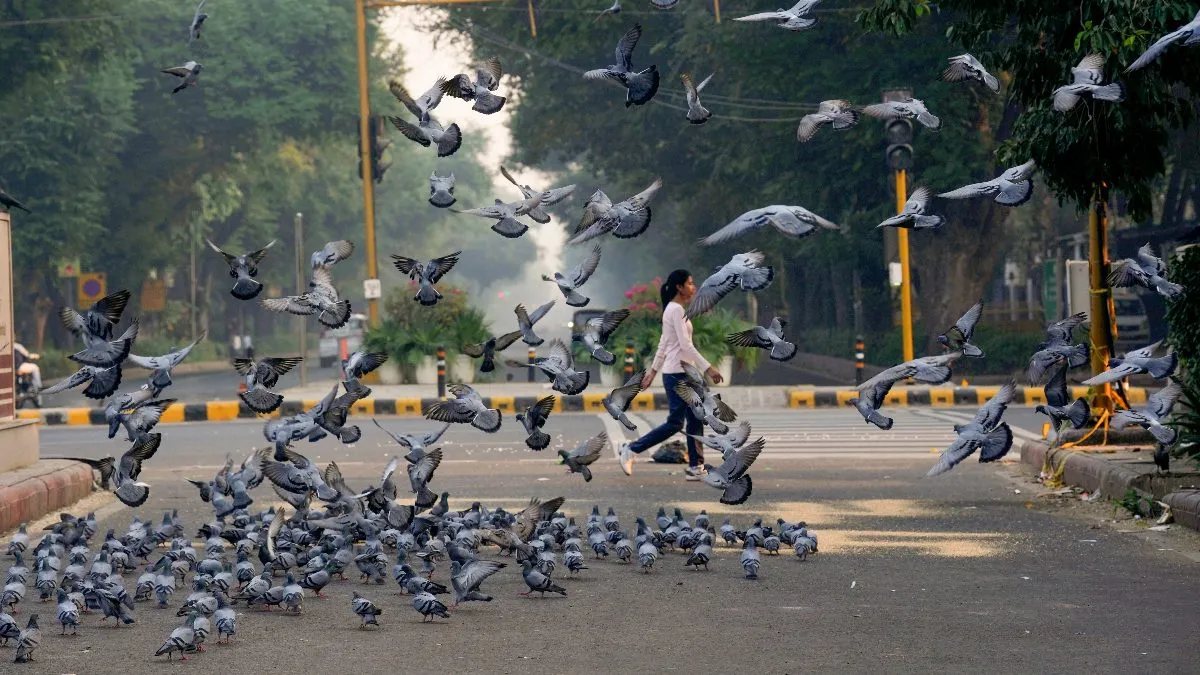
- Overcrowding: Feeding pigeons in public squares causes them to congregate in massive numbers, increasing the concentration of allergens and waste in high-traffic zones.
New Rules and Designated Zones
To balance bird welfare with public health, the government has introduced the following measures:
- Designated Spots Only: Pigeons can only be fed at locations specifically identified by the GBA (Governing Body/Authority).
- Strict Timings: Feeding is permitted only during specific hours to prevent permanent nesting in public pathways.
- Prohibited Areas: Feeding in general public spaces, parks, and busy streets is now strictly restricted.
Legal Consequences: BNS Sections Invoked
The government is not taking these rules lightly. Violators will face action under the Bharatiya Nyaya Sanhita (BNS).
- Case Filing: Violators can be booked under Sections 270, 271, and 272 for negligent acts likely to spread infectious diseases dangerous to life.
- Penalties: Offenders may face heavy fines and imprisonment for up to six months.
The Urban Development Department has urged citizens to cooperate with these new guidelines to ensure a cleaner and healthier environment for all.