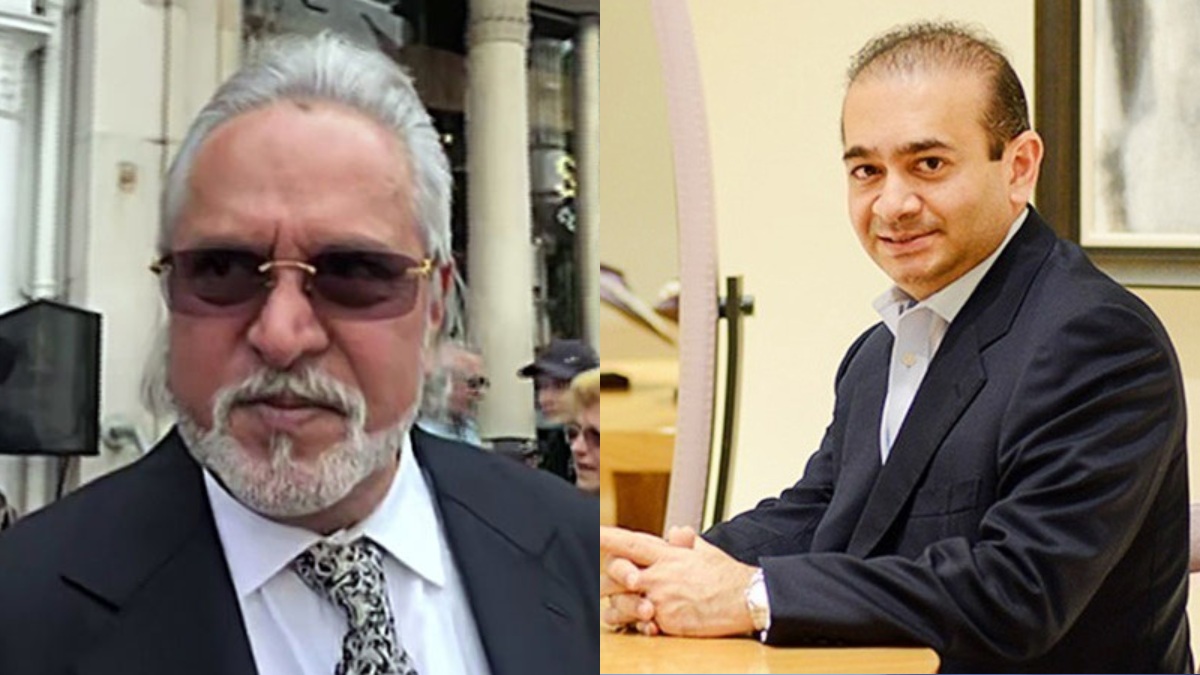
Nirav Modi has been ousted by a British court for a third time after the U.K. has rejected his latest appeal to be extradited to India. But it is the latest victory for India in a long-running legal struggle that began when India investigated one of the country’s biggest banking frauds.

But the decision will enhance India’s attempt to bring Modi back to India to face trial for the alleged PNB fraud. The extradition process is not complete and legal experts say Modi’s options are becoming limited as he has not yet been extradited but his options are being diminished in that respect.
Nirav Modi has been in custody in the United Kingdom since he was arrested in March 2019. Indian authorities have accused him of orchestrating a massive financial fraud by using fraudulent Letters of Undertaking (LoUs) from officials at Punjab National Bank.
The scam came to light in early 2018 and sent shockwaves through India’s banking sector, leading to sweeping reforms in banking oversight and financial controls.
In fact, even after years of legal proceedings, several UK courts have ruled that Modi can be extradited to India due to strong arguments for and against. Modi’s defence has countered the decision to send Modi to India by his legal team has repeatedly appealed the decision with the case that the conditions of the prison system in India, mental health and the fairness of the judiciary are too bad for him.
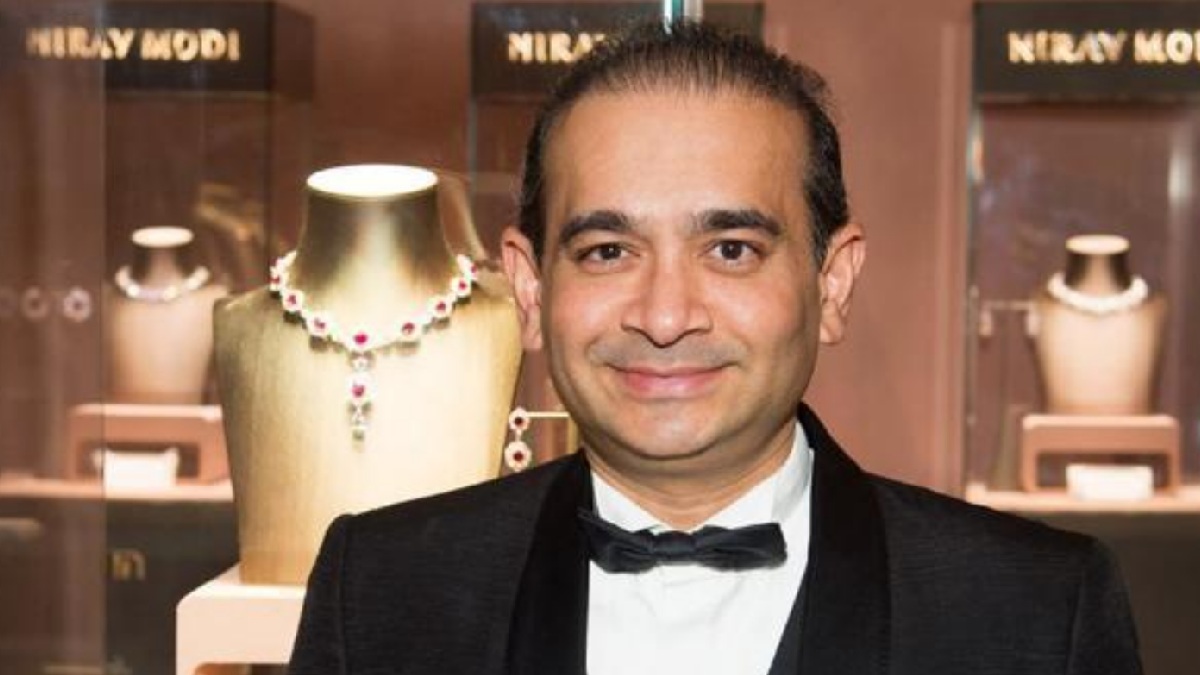
However, British courts have largely dismissed this claim and have found that India's own assurance of prison conditions and legal protection are sufficient to meet extradition requirements.
Modi's appeal’s rejection is a victory for Indian investigative agencies, including the Central Bureau of Investigation (CBI) and Enforcement Directorate (ED), which have pursued a number of criminal and money laundering charges against the businessman, claiming large sums of money were diverted through shell companies and overseas transactions.
But extradition is not an automatic or immediate process. There are still procedures to be completed before Modi can be physically brought home to India. His lawyers may still seek limited remedies under UK law or before international courts for him, but the options are becoming fewer and less open.
Indian authorities have maintained that they have presented enough evidence to establish a prima facie case against Modi. They say his return is essential for the smooth coming justice in one of India’s most severe financial crime investigations.
The outcome of the extradition process is also closely watched as one of the most high-profile economic offender cases in India that involved people who fled to the UK for money laundering and criminal investigations.
Extradition would only strengthen India and the UK’s cooperation in pursuing cross-border financial crimes and recovering economic offenders.
For now the UK court ruling brings Nirav Modi one step closer to returning to India. The last chapter of the extradition saga has yet to be written, but the decision greatly narrows his legal options and signals continued momentum in India's pursuit of one of its most wanted fugitives.