A student dance performance at NIT Durgapur has generated a debate on social media after a faculty member interrupted the performance during an induction programme for newly admitted students.
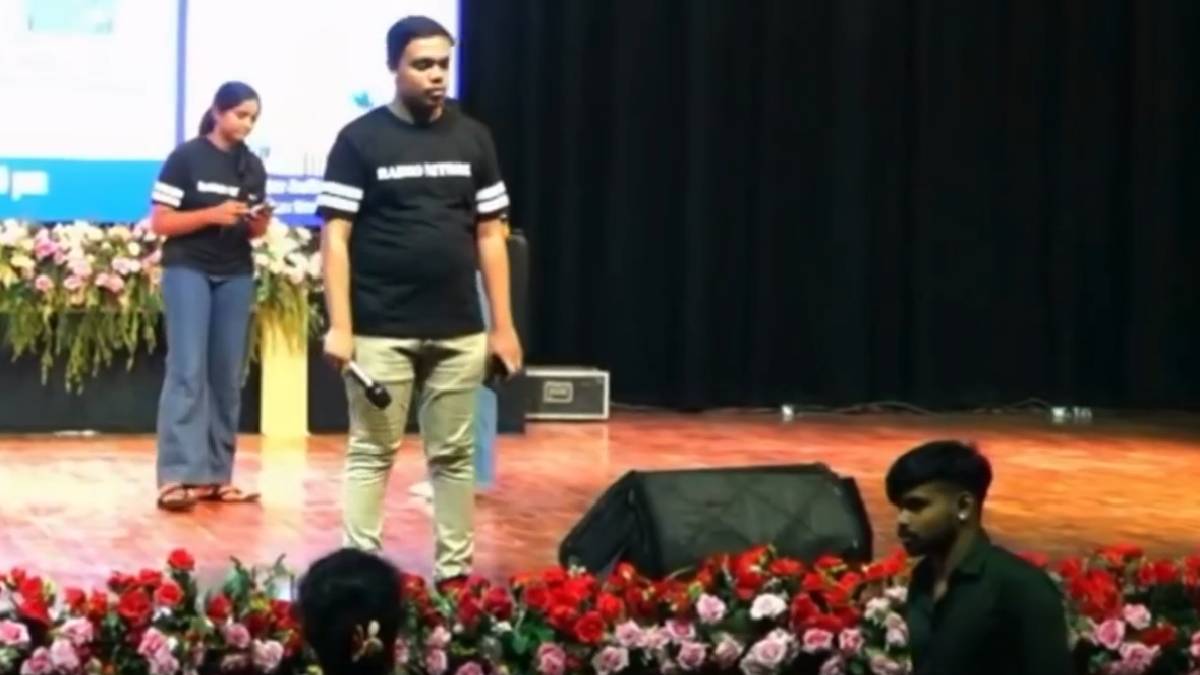
A video circulating on the internet shows students dancing to the popular Bollywood song “Chikni Chameli” when a female professor intervened and questioned the dance. Some of the moves were described as “vulgar,” and the professor asked the performers who had permitted them to perform in that way.
The incident has quickly become a talking point; social media users were divided over whether the professor’s intervention was appropriate for a formal college induction programme.
The faculty member in the viral video has been identified by reports as Dr Manika Saha, an Assistant Professor in the Electrical Engineering department of NIT Durgapur. The institute's official website confirms that Saha is an Assistant Professor who joined the institution in July 2022.
The incident occurred at the institute's induction program - a process designed to welcome new students. This programme is designed to introduce students to academic life, campus activities, clubs and institutional expectations. Cultural performances can also form part of the program, and this would enable students to show off music, dance and other skills.
Kalesh during NIT Durgapur’s induction program took an unexpected turn when a professor stood up mid-performance and slammed students for their dance moves on “Chikni Chameli.”💀 pic.twitter.com/Yk1xPep1mf
— Ghar Ke Kalesh (@gharkekalesh) August 26, 2026
The controversy centres on whether a particular style of performance was appropriate for the setting.
Supporters of the professor’s intervention have argued that an induction programme is an official institutional event and faculty members have a duty to maintain a certain level of decorum. So, from this perspective, the intervention was to ensure performances were consistent with the nature of the programme.
The students are not being shamed for their performance as they are wearing jeans and T-shirts, but some social media users have protested this and said that it is wrong.
The debate has since turned into a larger conversation about changing cultural standards at college campuses. There are also questions of how much the organisation should have clear guidelines on performances before cultural programmes start rather than dealing with disagreements in a live performance.
Another important question is whether the students had approval for the performance and whether the organisers had given instructions on the songs or choreography to be presented. The brief video circulated online does not capture the context before or after the intervention, particularly what permissions may have been granted by programme organisers.
It has been hard to conclude with full context about the incident, and this absence of context has made it difficult to draw conclusions on the incident. A longer recording or more detailed testimony from students, faculty members and event organisers could give more details as to what had happened and why the professor intervened.
The choice of “Chikni Chameli,” from the 2012 Bollywood movie Agneepath, has caught a lot of attention in recent years and is also very popular, having been played at music and entertainment events. But whether such a performance fits an academic induction programme is also up to the institution and the organisers themselves.
As the episode also shows how students and faculty members have changed in an era when campus incidents can quickly become viral. A quick video shot during a programme can reach a wide online audience before the institution has an opportunity to explain the situation.
As of now, no official response from NIT Durgapur on the viral incident has been found. The institute's official website does confirm Dr Manika Saha's faculty position, but does not provide a statement on the dance-performance controversy.
The incident is a matter that is likely to continue to generate debate until more is known. The issue is at its core a bigger concern for educational institutions: how do colleges balance student creativity and freedom of expression with the expectations of formal academic events?
Cultural programmes are an important part of campus life for students, and they create confidence and show talent. For institutions, such events also have some official character and may have certain standards.
The NIT Durgapur episode illustrates how different interpretations of those boundaries quickly become contentious. It is not clear whether the professor’s intervention was justified or whether the students were unfairly singled out, but the incident has clearly opened a wider dialogue about campus culture, student expression, faculty authority, and the role of event guidelines in Indian engineering colleges.