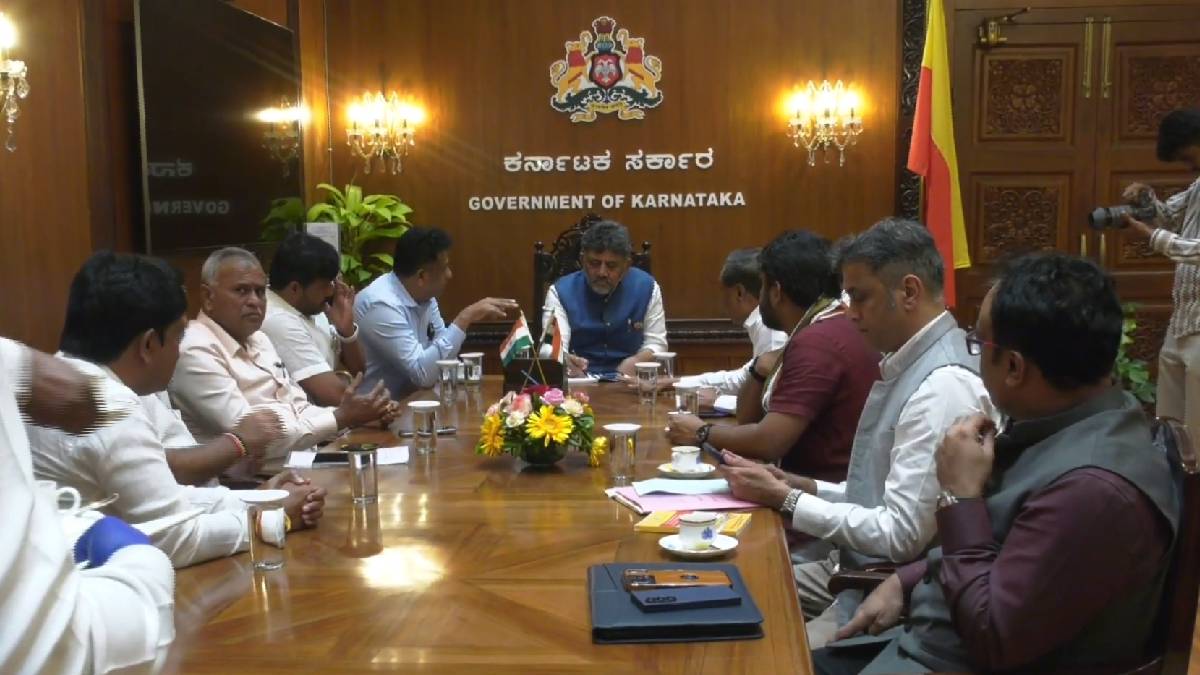
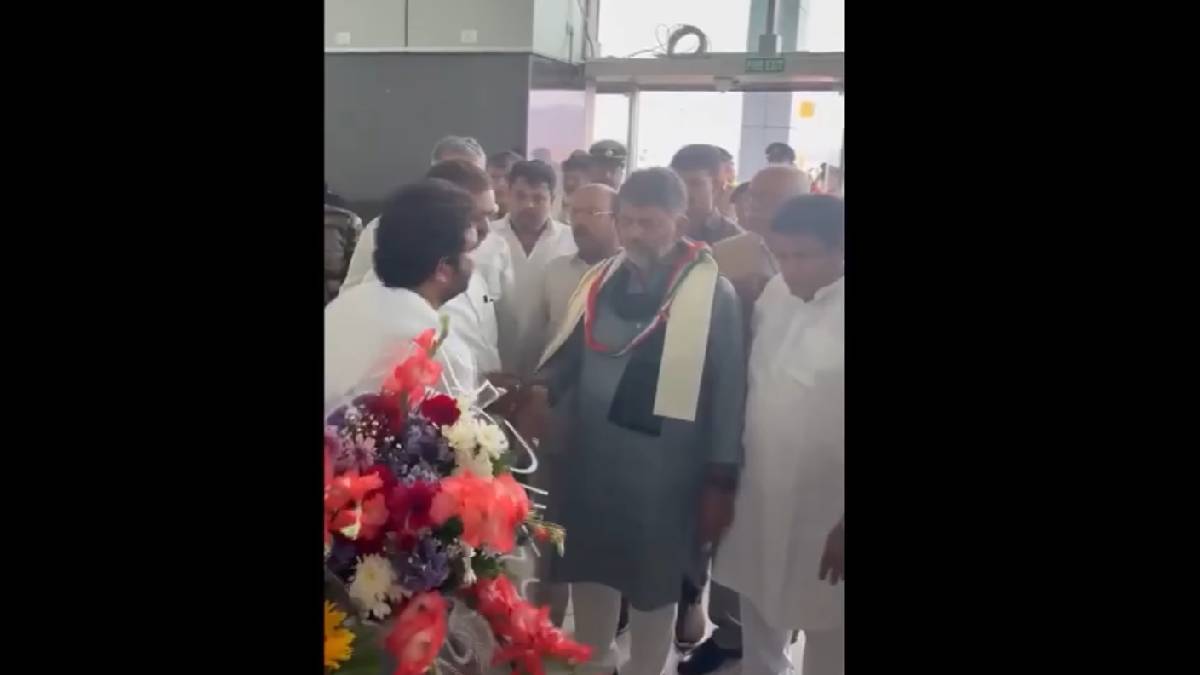
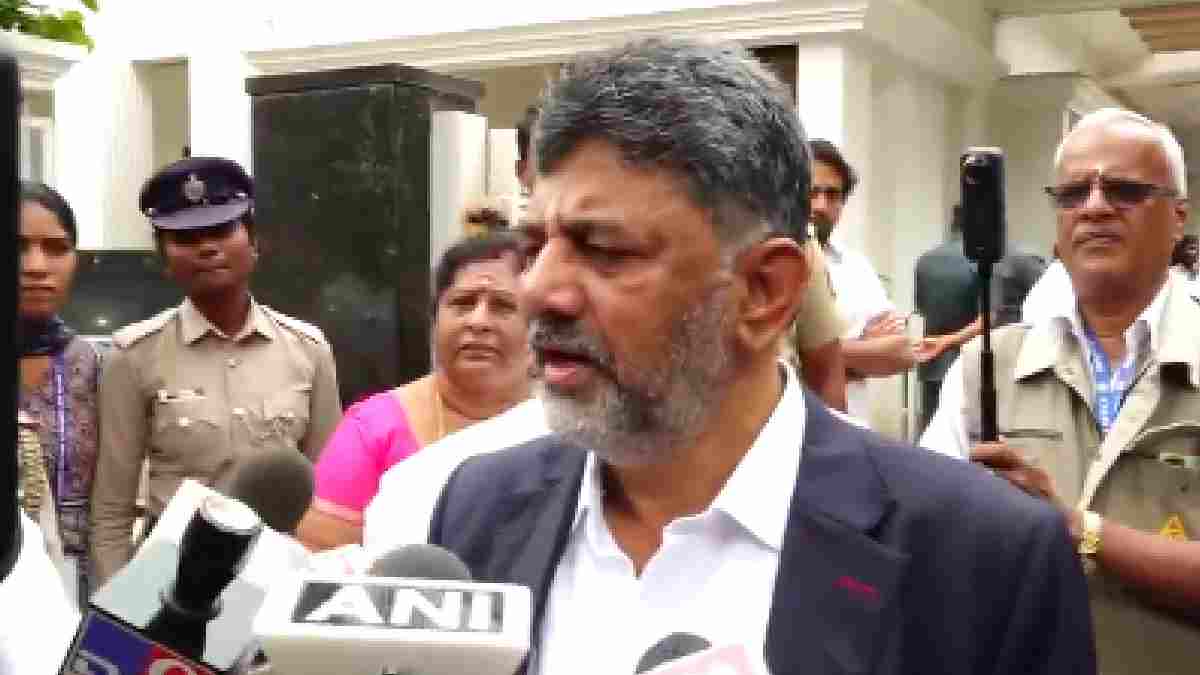
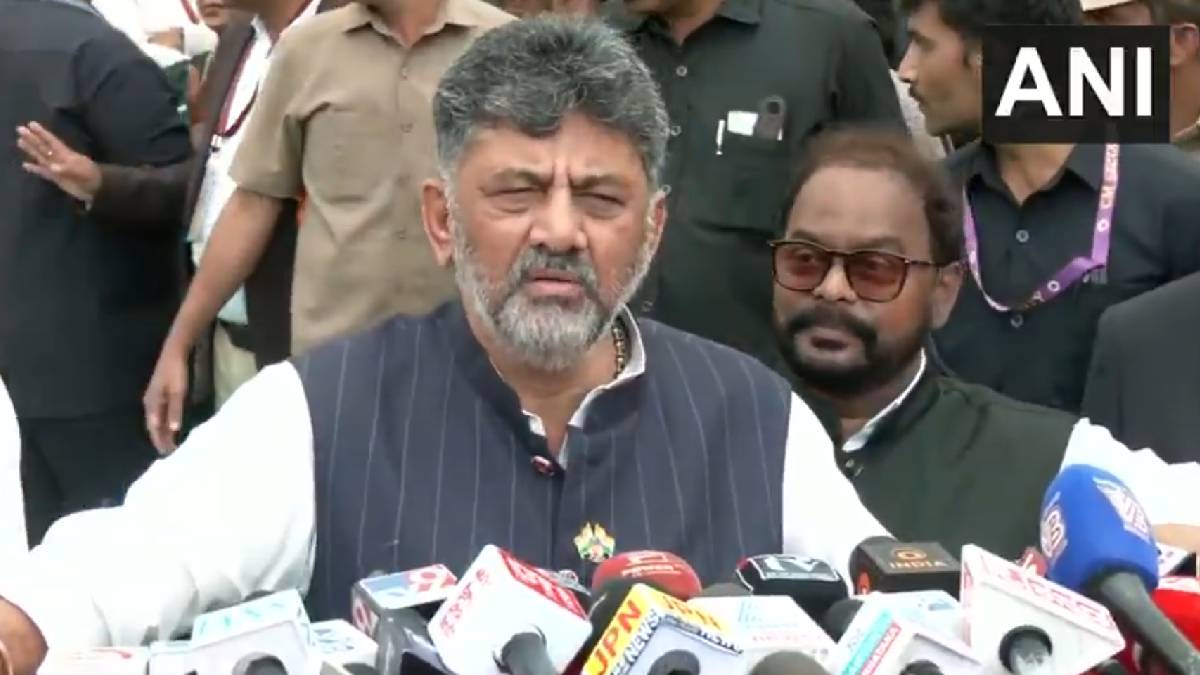
Bengaluru’s long-standing image as India’s IT City has come under the microscope as potholes, traffic congestion and pollution are becoming prevalent and the road network is worsening. This has come to a head after journalist Rajdeep Sardesai asked Karnataka Deputy Chief Minister D.K. Shivakumar why Bengaluru is now called a “Pothole City.”
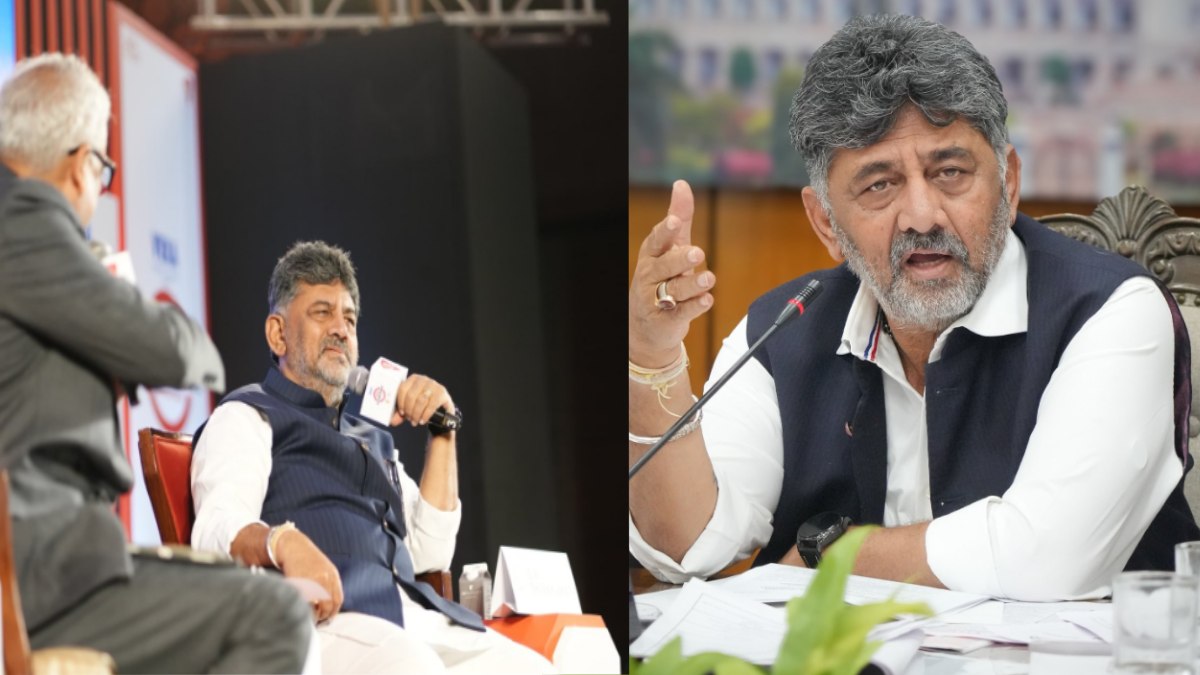
Shivakumar countered saying that it was the size of the city and pollution and presence of around 1.3 crore vehicles that have become the big pressures to Bengaluru.
The exchange has brought back attention to one of Bengaluru’s most persistent civic challenges. Once known mainly as the tech and startup capital of India, the city has been booming in the last few decades. Investment, employment and new infrastructure have come into play but so have roads, drainage systems, public transport and other civic services.
Rajdeep raised the contrast between Bengaluru’s former image as an IT hub and the current association with pothole-filled roads during the interaction. Shivakumar commented on the size of the city’s population and vehicle numbers. His remarks were indicative of the argument that Bengaluru’s infrastructure has not been able to keep pace with the pace of growth in which the metropolitan region has grown.
The reference to the number of nearly 1.3 crore vehicles is very important because traffic is one of Bengaluru’s biggest urban challenges. Private vehicles have soared in the city so much, cars, motorcycles and scooters have increased dramatically, and the number of vehicles on the road network is growing rapidly in India. Traffic is in high demand every day and roads are under considerable pressure at peak times.
It is even more problematic in the monsoon season. Heavy rainfall can expose weaknesses in road surfaces, and water accumulation can accelerate road deterioration. Potholes can occur or expand rapidly when rainwater enters cracks in the road surface. Poor drainage can compound the problem because parts of the roads are prone to repeated waterlogging.
Bengaluru’s rapidly growing population is only more of an added burden on the city’s infrastructure. The city draws thousands of people each year because of its technology sector, educational institutions, healthcare facilities and employment opportunities. The metropolitan area has grown considerably since then, with residential areas and commercial areas now also spreading beyond the usual central regions of the city.
The growing urbanization has added to the demand for more efficient roads and connectivity. But the financial resources for the development and maintenance of infrastructure in an urban area that is rapidly growing need to be provided by a number of government agencies.
The “Pothole City” label has become a symbol of frustration for many commuters. Potholes can cause travel times to be extended and cause traffic bottlenecks, and it can be awkward for people to navigate around them. They may also cause safety issues for two-wheeler users who have little visibility of damaged road conditions during rain or at night.
Shivakumar’s explanation, however, has also raised the question of whether population growth and vehicle numbers alone can explain Bengaluru’s road problems. Citizens and urban experts have frequently argued that the quality of road construction, maintenance practices, drainage infrastructure and coordination between civic agencies are equally important.
Bengaluru’s roads are maintained and managed by multiple agencies and local authorities, depending on the road and its location. This makes accountability and coordination difficult. When roads deteriorate, citizens seek to know which department is responsible for repairs and how quickly damaged stretches can be restored.
The Karnataka government has been under pressure to improve road infrastructure and address complaints about potholes. Road quality is a frequent political issue, and opposition parties and civic activists regularly challenge the government on the condition of major roads and residential streets.
Bengaluru's vehicle problem is also evidence of the need for public transportation. The Namma Metro, suburban rail projects, buses and other mass transportation systems are seen as important for reducing dependence on private cars. A better public transport system could also ease traffic pressure and increase mobility across the metropolitan area.
The city’s pollution problems are also intimately related to transportation. A large number of vehicles contributes to emissions, particularly when traffic moves slowly or remains congested for long periods. Encouraging public transport, cleaner vehicles, walking and cycling could form part of a broader strategy to address both congestion and air quality.
Bengaluru’s challenge is therefore much larger than potholes alone. It involves balancing rapid economic growth with sustainable urban planning. The city needs roads that can withstand heavy traffic and rainfall, efficient drainage systems, reliable public transportation and coordinated infrastructure development.
Bengaluru's growth into a global technology centre has produced great economic opportunities but has also brought with it substantial urban pressures. The contrast between the city’s celebrated IT identity and the “Pothole City” criticism highlights the gap between economic growth and everyday civic infrastructure.
As a result, Shivakumar’s comments once more have brought that issue into the public spotlight. His reference to Bengaluru’s population, pollution and 1.3 crore vehicles underlines the scale of the challenge. But residents question how these pressures can be managed and addressed over time through long-term planning for road maintenance.
At the same time, as Bengaluru grows, improving its roads will take more than temporary pothole repairs. Better construction standards, effective drainage, regular maintenance, stronger public transport and improved traffic management will all be needed.
The debate on whether Bengaluru should be called the “IT City” or the “Pothole City” speaks to a larger conversation about what kind of city Bengaluru wants to become. The technology-driven economy has already made it globally famous. Now the challenge is to ensure that its infrastructure and the quality of urban life keep pace with its economic ambitions.