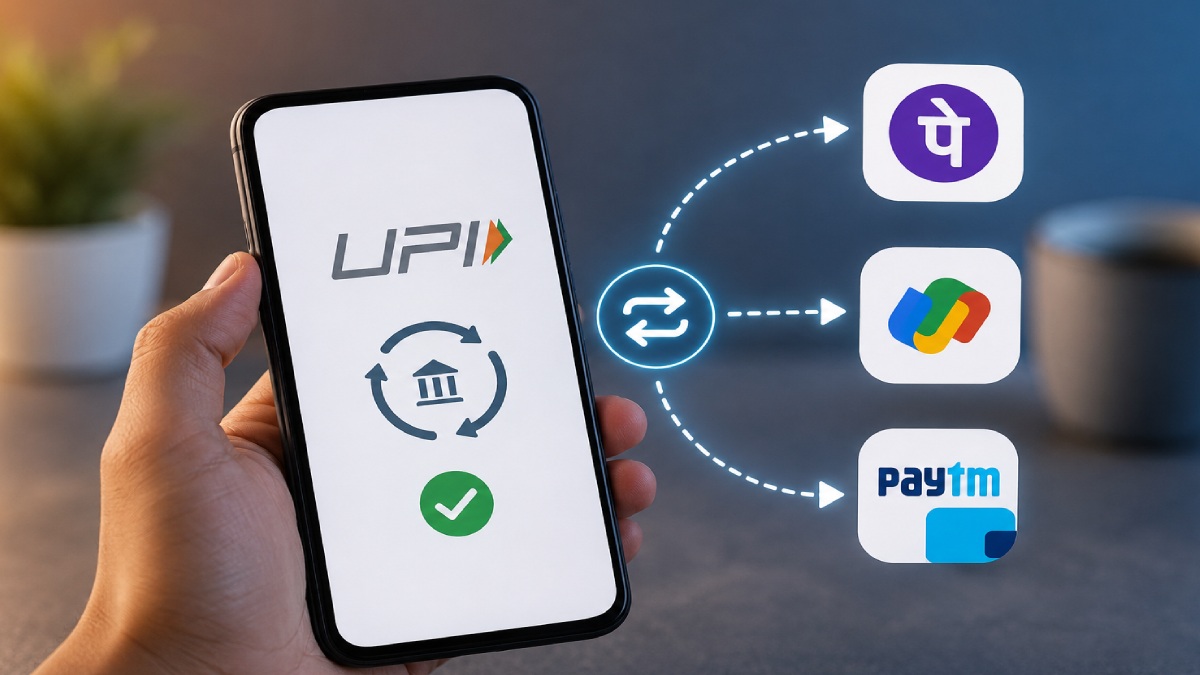
NPCI is preparing to introduce a major change to UPI AutoPay, and interoperability will allow users to view and port eligible recurring-payment mandates across UPI apps. This would make it much easier for consumers to switch between payment applications without having to cancel existing AutoPay arrangements and create them again.
We believe the development will be particularly relevant for those using UPI for recurring payments such as subscriptions, insurance premiums, systematic investment plans and loan repayments.
UPI AutoPay was introduced to make recurring payments easier by allowing customers to authorise automatic debits from their bank accounts. Over time, it has become an integral part of India's digital payments ecosystem and supports regular payments for a wide range of services. NPCI's proposed interoperability framework aims to reduce the dependence on the particular UPI app through which a mandate was originally created.
Under the proposed system, users would see their active UPI AutoPay mandates on a UPI app of their choice. More importantly, eligible mandates could be ported from one UPI app to another. That means one customer moving to a different UPI app may not have to cancel an existing recurring-payment arrangement and register the mandate again.
This change would be particularly useful for consumers who use multiple UPI applications. At present, recurring-payment mandates can remain tied to the app or payment ecosystem through which they were created. Portability would give users greater flexibility and could make it easier to manage recurring financial commitments from a preferred application.
One other benefit is greater visibility. With active mandates available through a specific UPI app, users may be able to keep track of ongoing payments. That might allow consumers to find subscriptions and other automatic debits they may not be able to use anymore. A consolidated view might also make recurring payment management more transparent.
NPCI's October 2025 circular on the enhancement of UPI AutoPay had already established a framework for users to view active mandates in an app of their choice and port mandates between UPI apps. The framework also provided merchants with the ability to port and execute AutoPay mandates through their preferred Payee PSP.
The framework includes portability precautions. NPCI’s guidelines state that porting must be done by the user from the mandate details page and that apps cannot use incentives such as cashback, notifications or other promotional techniques to request mandate portability. The guidelines also state that a mandate can only be ported once in a rolling 90-day period.
Merchants would benefit from the change in a massive way as well. Under the proposed system, businesses would have the option of moving existing mandates between payment providers when they change gateways or acquiring partners. This could reduce the operational challenges of moving a customer base from one payment provider to another.
For example, if a subscription-based business changes its payment gateway, it might be able to move all the AutoPay mandates to its new provider instead of keeping its legacy mandates with the previous gateway. This would help merchants be more flexible while customers wouldn’t have to recreate their recurring-payment instructions.
Importantly, interoperability does not mean that the underlying bank account authorised by the customer automatically changes. Reports indicate that mandates linked to different bank accounts will continue to be debited from the account originally authorised by the user. The proposed change primarily concerns where the mandate can be accessed and managed and which payment provider can execute it.
The expansion has occurred as UPI grows rapidly. The Ministry of Finance reported that UPI processed 2,366 crore transactions worth ₹29.9 lakh crore in July 2026 alone. UPI is the world's largest real-time payment system and now it is also being used globally.
However, implementation of AutoPay interoperability will require changes in the UPI ecosystem. Consumer-facing applications, payment service providers and merchants will have to make sure their systems work for the new system. Industry leaders have described it as a technical challenge, in particular for UPI applications that need to support cross-platform mandate management.
The expected change could also create more competition between UPI apps. When users are not worried about losing access to existing AutoPay mandates when switching applications, they will be free to select the app based on its features, interface, reliability and other services.
NPCI is expected to announce the interoperability features at the Global Fintech Fest in Mumbai next month. The exact rollout timeline and implementation details will depend on official announcements.
Overall, UPI AutoPay interoperability will be an important development in India’s digital payments ecosystem. NPCI would like to make recurring-payment mandates more portable for consumers and merchants and develop a more open ecosystem. For users, the biggest benefit would be more control over where their AutoPay mandates are viewed and managed, while businesses could move payment providers without disrupting recurring-payment arrangements.