We have some customers who claim that petrol served by an Indian Oil fuel station near Hunasamaranahalli was contaminated with water so that their vehicle was not able to run or stopped after refueling. Car owners and local people demand an inspection of the fuel station and storage facilities.
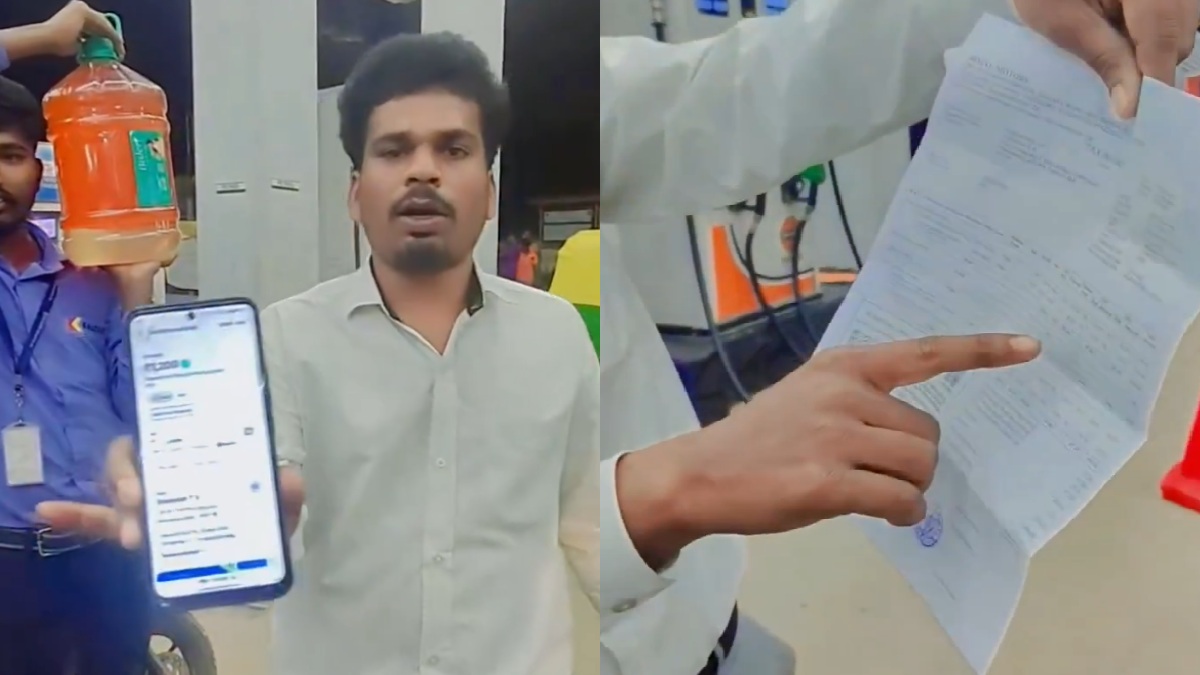
Some vehicles started to run down within a few kilometres of the fuel station when they filled their tanks with petrol, customers said. Drivers reported sudden engine shutdowns while travelling and had to arrange to fix or put their cars into check or tow them out of service.
The affected customers then examined their vehicle fuel systems and found water mixed with petrol, and found a lot of water in the system, they said.
The supposed contamination has raised questions about the quality of fuel provided at the station. Water might have entered the fuel supply, customers have questioned, so how and why was petrol collected for use in a car without being checked before it was sold? The allegations had not yet been substantiated, so an official inspection and testing should be conducted in order to determine the actual cause.
Some vehicle owners have claimed that the suspected water contamination affected their vehicles' fuel systems. Water in the fuel system may have led to engine problems such as damage to spark plugs and other components in their accounts, they say. The customers said they had to pay for inspections and repairs when their vehicles were not working.
The financial fallout only aggravated the pain among affected customers. Vehicle owners are also seeking compensation for repair costs if they believe that fuel supplied by the station was contaminated. They have also asked the source of the purported contamination to be identified so that such incidents can be prevented.
Local residents have expressed anger over that and have said the quality-control process at the fuel station is inaccurate. If the complaints are not addressed and the authorities do not have the evidence to back them up too, some residents have said they could stage a bigger protest.
Customers have asked the concerned authorities to do a thorough inspection of the fuel station immediately. They have asked for inspection of the underground and other fuel storage tanks, dispensing systems and available fuel samples of the station. It could be asked to test if there is water in the petrol being sold to customers.
The customers have also asked officials from the Weights and Measures Department and Food and Civil Supplies Department to examine the premises. They have also sought the involvement of the concerned oil company to determine whether the contamination was at the station or was caused by another factor.
Several customers have alleged that petrol supplied at an Indian Oil fuel station near Hunasamaranahalli was contaminated with water, causing vehicles to stall within a few kilometres of the pump.
— Hate Detector 🔍 (@HateDetectors) October 3, 2026
According to vehicle owners, they experienced sudden engine shutdowns after… pic.twitter.com/qYDD7kR07x
Fuel quality checks are critical, as petrol with water can damage petrol-powered vehicles. Water cannot function as fuel and will damage combustion and fuel-system operation. Depending on the amount and vehicle involved, contamination may cause engine performance to be bad, stalling or restarting to be difficult.
But the degree of damage would depend on the situation and would need to be assessed by qualified technicians.
If consumers suspect fuel-related problems, keeping the fuel bill or digital payment record can be helpful when making a complaint. Vehicle owners can also store repair invoices, photographs or videos of fuel removed from the tank and any other relevant documentation. Fuel samples collected and handled properly can also be useful to the authorities in an official investigation.
The allegations in Hunasamaranahalli are in turn leading to the call for a transparent and unbiased investigation of the fuel station operation. It would be necessary to examine an official inspection of the storage tanks and samples to see if contamination actually did take place and if so, how and where.
Until such testing is completed, customer claims remain allegations and the responsibility for the reported vehicle damage has not been established. Further action is expected after authorities investigate the premises, the fuel infrastructure and the samples.
If contamination is verified, customers are looking for the appropriate action against those responsible as well as compensation for the cost of fixing affected vehicles. In the future, it could also prompt the authorities and the oil company to investigate fuel quality monitoring at the station and the response and/or to be more transparent to prevent similar complaints.