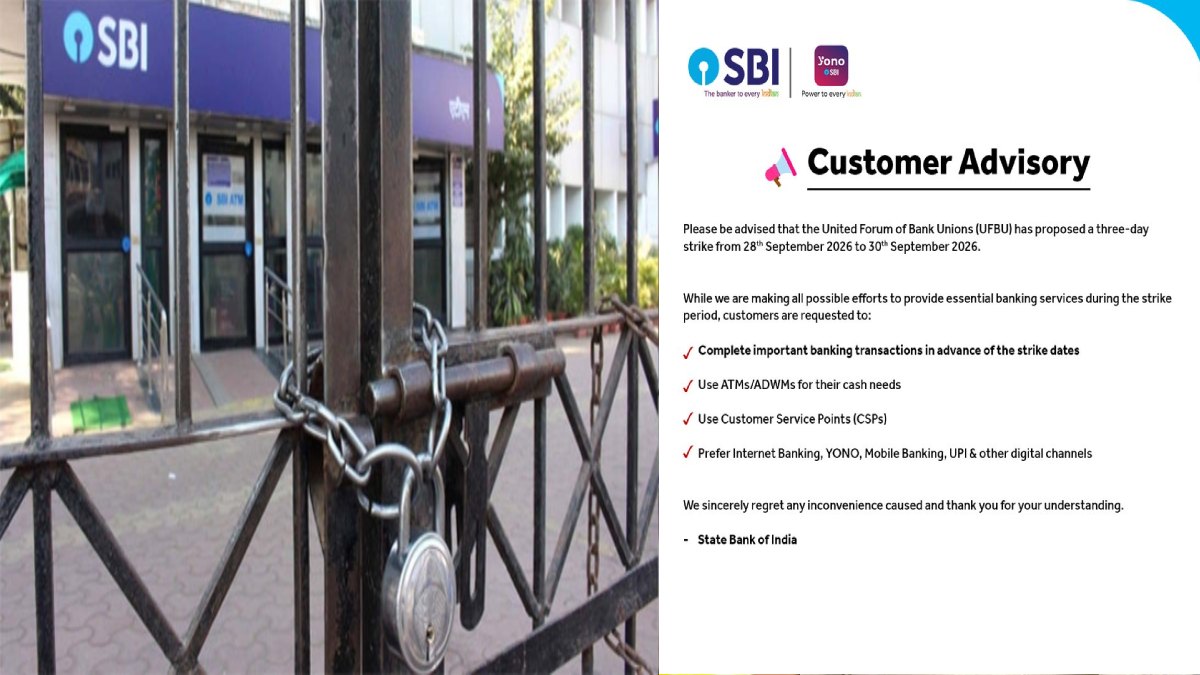
A change in payment practices has implications for customers who use the Unified Payments Interface (UPI) to pay for fuel and other purchases. A number of petrol pumps and businesses are likely to be told on October 16 that UPI payments above Rs 2,000 cannot be accepted. So customers are having a hard time, and they are asking whether a business can legally refuse a UPI transaction if it is larger than Rs 2,000.
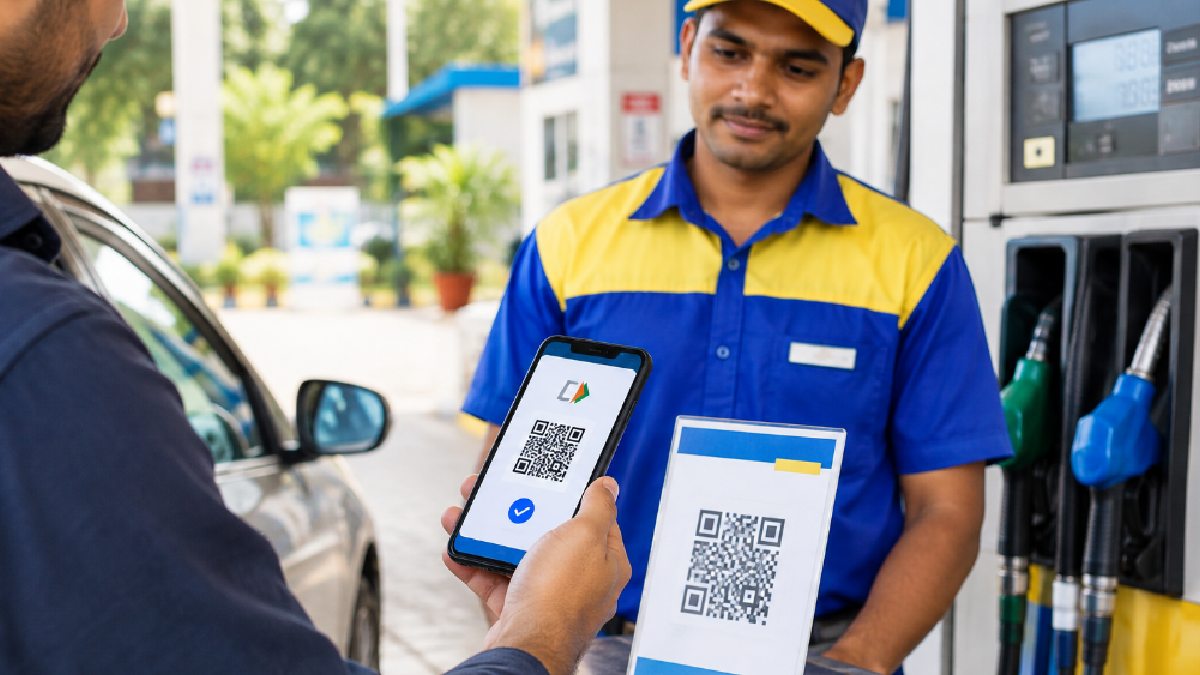
UPI is one of the most popular digital payment methods in India and customers can pay directly from their bank accounts using mobile apps. Unlike cash payments, UPI payments are done electronically and can be made for everything from small retail transactions to large payments and that is subject to transaction limits and the customer’s bank and payment service provider’s rules.
But a distinction is important when talking about this Rs 2,000 restriction. A limit imposed by a single merchant or business is not necessarily the same as a universal UPI transaction limit. So customers should not assume that every UPI payment above Rs 2,000 will automatically be blocked across India.
The change on October 16 appears to concern some businesses that don’t accept UPI payments above a certain amount. Petrol pumps are among the businesses where these types of restrictions could be particularly prevalent because fuel purchases can sometimes involve high-value transactions. If the bill for a fuel purchase is over the threshold, the customer may be asked to pay through a different payment channel.
The issue of whether refusing a UPI payment is illegal at all is also a matter of the business and payment arrangement. But there is no direct rule that says that refusing a UPI payment above Rs 2,000 is illegal. The merchant’s ability to impose payment conditions is also based on rules and conditions of business and payment terms, contractual arrangements, consumer protection obligations, and the transaction itself.
Customers must also distinguish between a merchant's refusal to accept a payment method and a UPI transaction being declined by the banking system. If a petrol pump says it will not accept UPI above Rs 2,000, it does not necessarily mean UPI itself has introduced a nationwide Rs 2,000 transaction ceiling.
UPI transactions can have different transaction limits in different ways depending on the type of transaction, the banks involved, the payment application, and the regulatory rules.
The practical impact of this could be very easy. If a petrol pump or another business has clearly displayed a payment restriction, customers may be asked to pay cash, a card, or another accepted method. Customers who make bigger payments may therefore wish to keep an alternative payment option available, especially when travelling or stopping at a petrol pump where there may be limited payment choices.
The problem is also relevant as UPI is increasingly used for high-value transactions. While everyday UPI payments usually involve a small amount, the infrastructure is capable of supporting transactions much higher than Rs 2,000 in a number of categories. Therefore, a merchant-specific threshold should not be considered as a change in the overall UPI system.
Customers should check the payment instructions on display at the business and ask staff about the limit before completing a purchase. If a client is refused and thinks that the business has violated a legal or contractual requirement, they can ask their payment provider or consumer grievance mechanism.
The October 16 development therefore does not mean that UPI payments above Rs 2,000 will stop working across India. But customers will be met with individual petrol pumps or businesses that are reluctant to accept higher-value UPI payments. The legality of such a practice will be dependent on the rules and circumstances and not on the amount alone.
As digital payment continues to grow, clear communication between merchants and consumers on payment limits will be crucial. Before assuming that a new nationwide UPI limit has been implemented, banks, UPI apps, and business owners will need to provide such notices and updated information.