Prime Minister Narendra Modi has highlighted India's solar-powered agriculture initiatives as a potential blueprint for strengthening food security across Africa, emphasizing how clean energy can transform farming while reducing costs for millions of farmers.
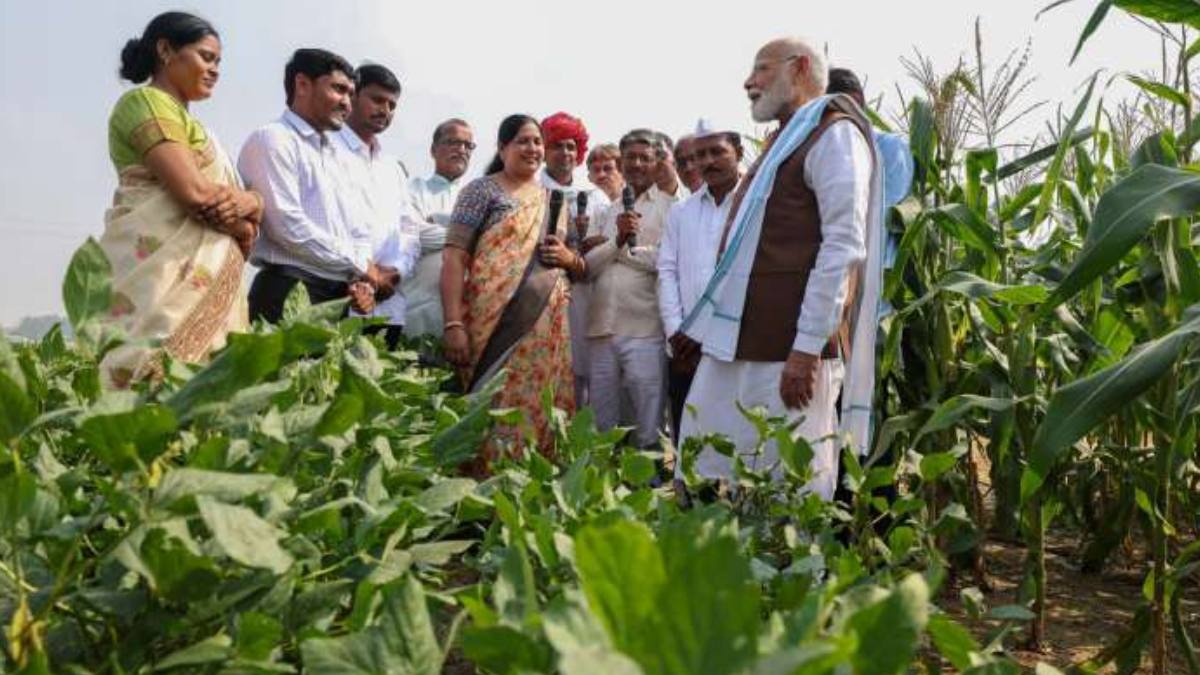
Speaking about India's agricultural progress, Modi pointed to the growing role of solar energy in boosting farm productivity, improving irrigation, and reducing dependence on conventional fuel sources. He noted that sustainable farming practices powered by renewable energy can help nations tackle challenges related to food production, climate change, and rural development simultaneously.
A key component of India's strategy has been the Pradhan Mantri Kisan Urja Suraksha evam Utthaan Mahabhiyan (PM-KUSUM) scheme, which enables farmers to install solar-powered pumps and generate electricity for agricultural use. The initiative has helped reduce energy costs, improve access to irrigation, and provide farmers with additional income opportunities through surplus power generation.
Modi stressed that agriculture remains central to food security and economic growth, not only for India but also for developing nations across Africa. He argued that solar-powered farming solutions can help African countries increase crop yields while reducing their reliance on expensive and often unreliable energy sources. Such measures could be particularly valuable in regions vulnerable to droughts, fluctuating fuel prices, and limited access to electricity.
India's agricultural transformation has been supported by a combination of renewable energy, modern technology, crop insurance, improved irrigation systems, and digital services for farmers. According to government data, the country's foodgrain production has risen significantly over the past decade, reinforcing its position as a major contributor to global food security.

The Prime Minister also highlighted the importance of sharing knowledge and technology between developing nations. India has increasingly positioned itself as a partner for African countries in areas such as agriculture, renewable energy, healthcare, and digital infrastructure. By promoting solar-powered agriculture, India aims to demonstrate how sustainable solutions can simultaneously address food shortages, energy access, and rural poverty.
Experts believe Africa possesses enormous potential for solar-powered farming due to its abundant sunlight and vast agricultural resources. Investments in solar irrigation, energy-efficient farming equipment, and modern agricultural practices could significantly improve productivity across the continent.
As concerns over global food security continue to grow, India's experience with renewable-energy-driven agriculture is attracting international attention. Modi's message underscores a broader vision in which clean energy and agriculture work together to create a more resilient and sustainable future for developing economies.