Narendra Modi has now again stressed the importance of the decision to revoke the special constitutional status of Jammu & Kashmir as a historic milestone whose roots are in years of political vision and commitment.
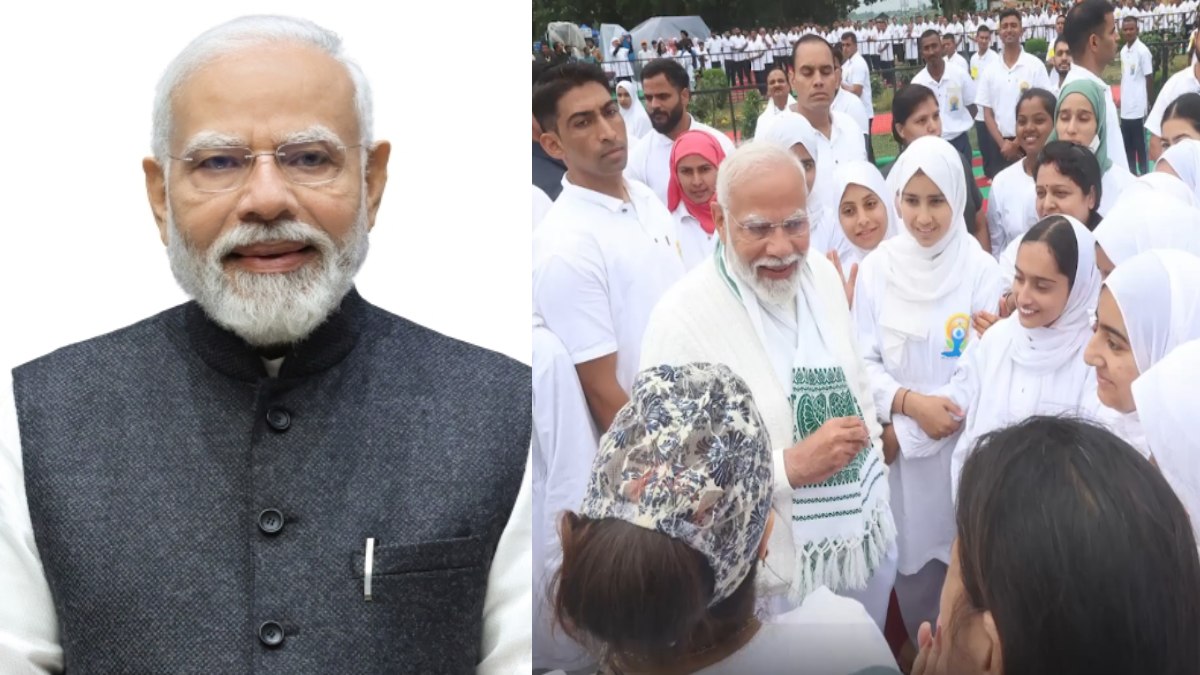
As he posted on social media, the prime minister said that every historic decision has a story that starts long before the defining moment and we should recall the speeches, resolve and policy vision that led to the landmark constitutional move.
The Prime Minister's comments come as India celebrates the fifth anniversary of the abrogation of Article 370 as the constitutional and administrative structure of the erstwhile state of Jammu and Kashmir changed forever. It has always maintained that the move was a move by the Centre to help make the rest of the country more integrated and better governed and development of the country faster and more rapid.
On 5 August 2019, the Government of India suspended special status of Jammu and Kashmir under Article 370 of the Constitution. Parliament approved the Jammu and Kashmir Reorganisation Act which demobilised the former state into two Union Territories: Jammu and Kashmir and Ladakh. It was the most important constitutional decision in independent India’s history.
In his recent message, Modi also called upon the public to take along the journey of the people’s reactions to the decision-making process in his last speech to follow the steps that went on to the decision-making process leading to the decision as he said the policy was the outcome was a journey people have been through years of thought-provoking, commitment and political determination. He also explained the development in Jammu and Kashmir in the context of the constitutional changes made by the government and the progress made since the constitutional amendments in Jammu and Kashmir in terms of progress.
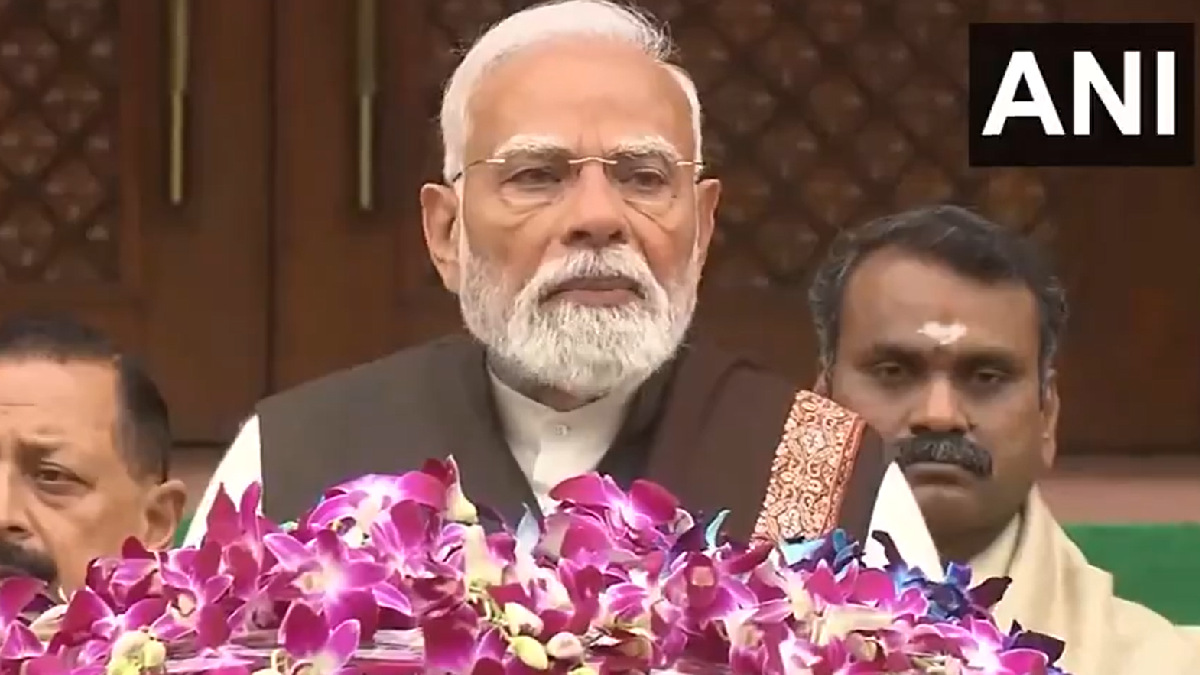
Several development projects have been launched in the Union Territory in the last six years. They include road connectivity, railway infrastructure, healthcare facilities, educational institutions, tourism, digital governance and rural development. In addition, officials in the region have said that central welfare schemes were introduced to the region after the constitutional changes.
The government has focused on infrastructure development as one of the main areas of the government’s focus. Major highway projects, tunnels, bridges, railway expansion and better connectivity have been identified as the key achievements that will make for greater economic growth and better access to remote areas. Tourism has also been promoted more aggressively with the government pointing out that more people are coming to the country and tourism is growing and the local businesses are investing.
That is alongside efforts to improve education and health care in new institutions, medical colleges and skill development programmes. Digital governance and direct benefit transfers have emerged as a way to improve administrative efficiency and help make sure that welfare benefits reach the most needy.
Supporters of the 2019 decision say the removal of Article 370 has brought Jammu and Kashmir to a much closer union with the rest of India and made the government apply national laws uniformly and created new opportunities to invest and develop it. Central legislation and welfare programmes are central to all of it and that it has been good for the country and the economy, they say.
At the same time, there has been political debate over the decision. Opposition parties and regional leaders have also questioned both the way Article 370 was overturned and its wider constitutional and political significance. Democracy, statehood, civil liberties and local political participation are still in the public domain.
The constitutional validity of the abrogation was challenged before the Supreme Court of India. The Court later confirmed the government decision and also predicted that the restoration of statehood to Jammu and Kashmir should happen in a reasonable time.
The Union Government has said it will return statehood at the right time and continue on its development agenda as well.
Modi's message represents the government’s larger vision from the government’s point of view that the August 5, 2019 decision was not only a constitutional amendment but also the start of a long-term change that would help to build peace, stability, investment and inclusive development in Jammu and Kashmir.
Six years since that landmark decision, Jammu and Kashmir continues to be a part and parcel of the political, constitutional and developmental discussions in India. Different political perspectives remain on the move but there is a consensus that the changes brought in 2019 have had a significant impact on the governance of the region and future of development. The next few years will see the impact of these constitutional changes on social, economic and political developments.