The Madhya Pradesh Legislative Assembly on Tuesday passed the Uniform Civil Code (UCC) Bill, the state’s fifth to have passed such a document, which brings together a common set of civil laws. Opposition members protested the Bill and disrupted it in the Assembly.
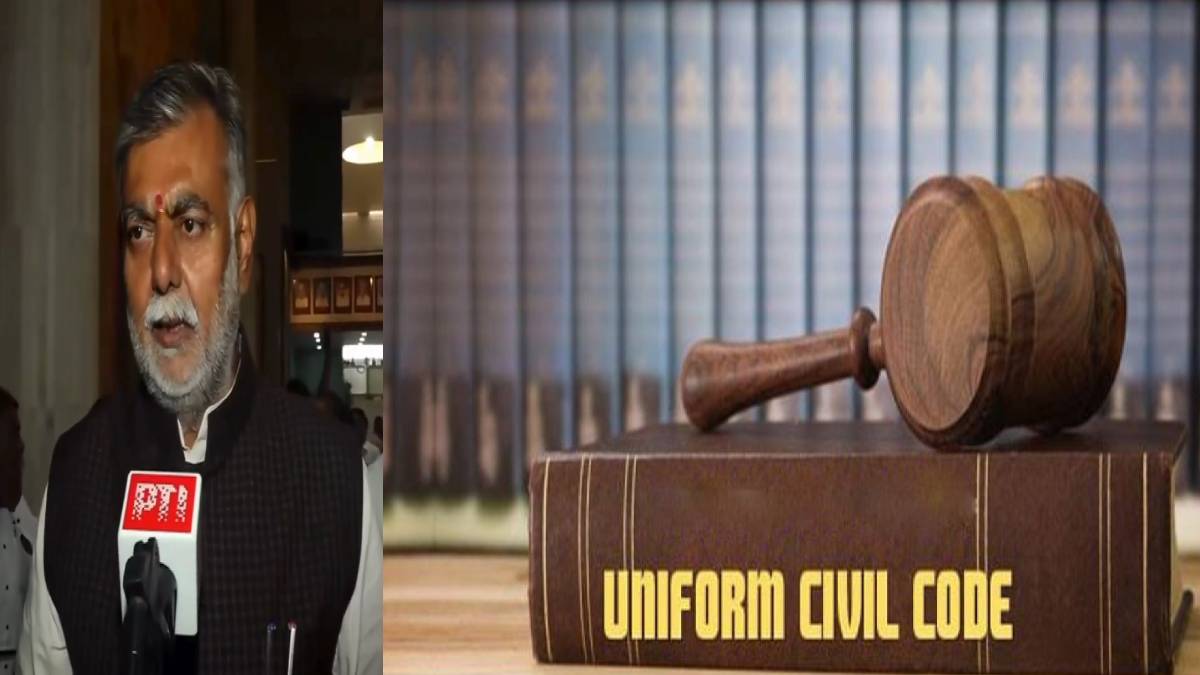
In a statement, Madhya Pradesh Minister Prahlad Patel described the passage of the Bill as a ‘historic day’ for the state and congratulated the government, legislators and citizens for the achievement of the Bill.
VIDEO | Bhopal: On the UCC Bill being passed amidst an uproar in the Madhya Pradesh Legislative Assembly, state minister Prahlad Patel says, "This is a historic day for Madhya Pradesh, and we will be the fifth state in the country to pass the UCC. I congratulate the Chief… pic.twitter.com/nDk5g4jFjc
— Press Trust of India (@PTI_News) July 21, 2026
Patel told reporters in Bhopal, “This is a historic day for Madhya Pradesh, and we will be the 5th state in the country to pass the UCC. I congratulate the Chief Minister, MLAs and the people of Madhya Pradesh. This should have taken place long ago, but today the Bill was passed.
The Uniform Civil Code seeks to develop a common legal framework for personal matters like marriage, divorce, inheritance, succession, and adoption that replaces separate personal laws for different religious communities in the areas covered by the law.
The passage of the Bill follows extensive discussions and comes after the state government formed a committee to study the feasibility and framework for implementing a Uniform Civil Code in Madhya Pradesh. The government has maintained that the legislation is intended to promote equality before the law and make justice uniform in civil matters.
The Assembly was filled with opposition to some of the bill’s provisions, and there were angry arguments against it in the Assembly. Despite the dissent, the bill was passed by the House.
The UCC and its supporters say that a uniform legal framework will support gender justice, simplify civil laws and guarantee equal rights for all citizens. But also religious and cultural diversity are very much at stake in the case, and it is one of the most heated legal and political issues in the country.
With the Assembly’s approval, the Bill will now progress through the rest of the constitutional and legal processes before it becomes law. After all approvals are received, the state government will lay out rules and implementation guidelines.
The passage of the Bill is a significant legislative development in Madhya Pradesh and is likely to remain a major topic of political and legal discussion in the coming weeks.