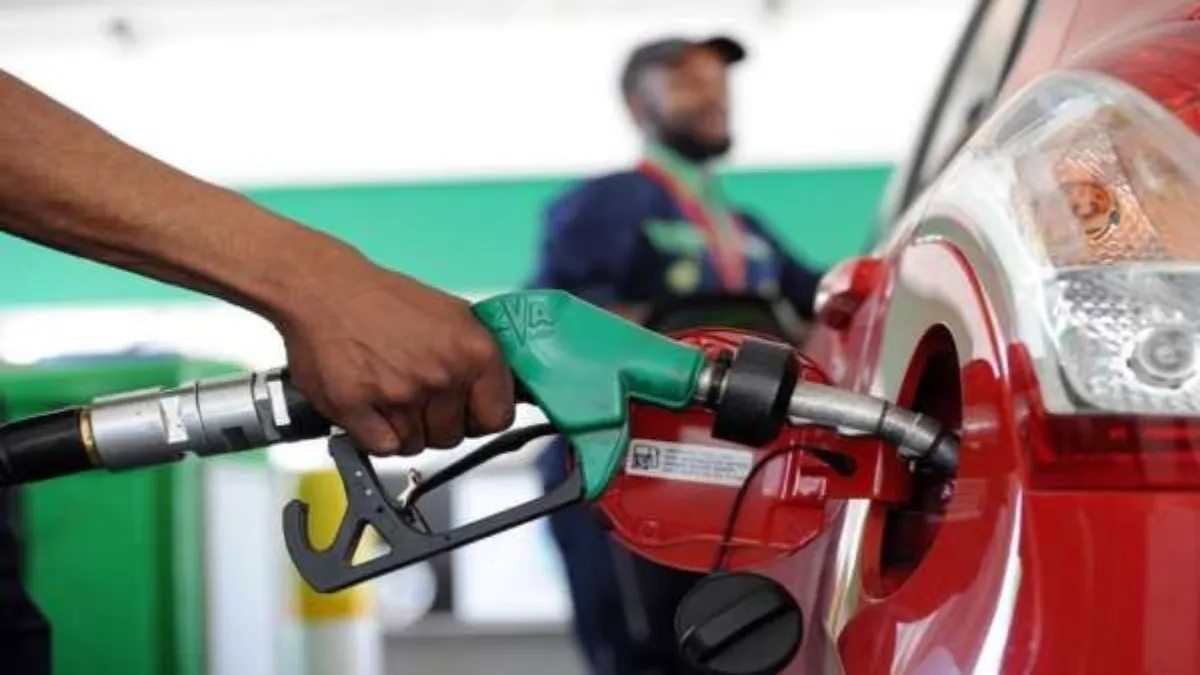
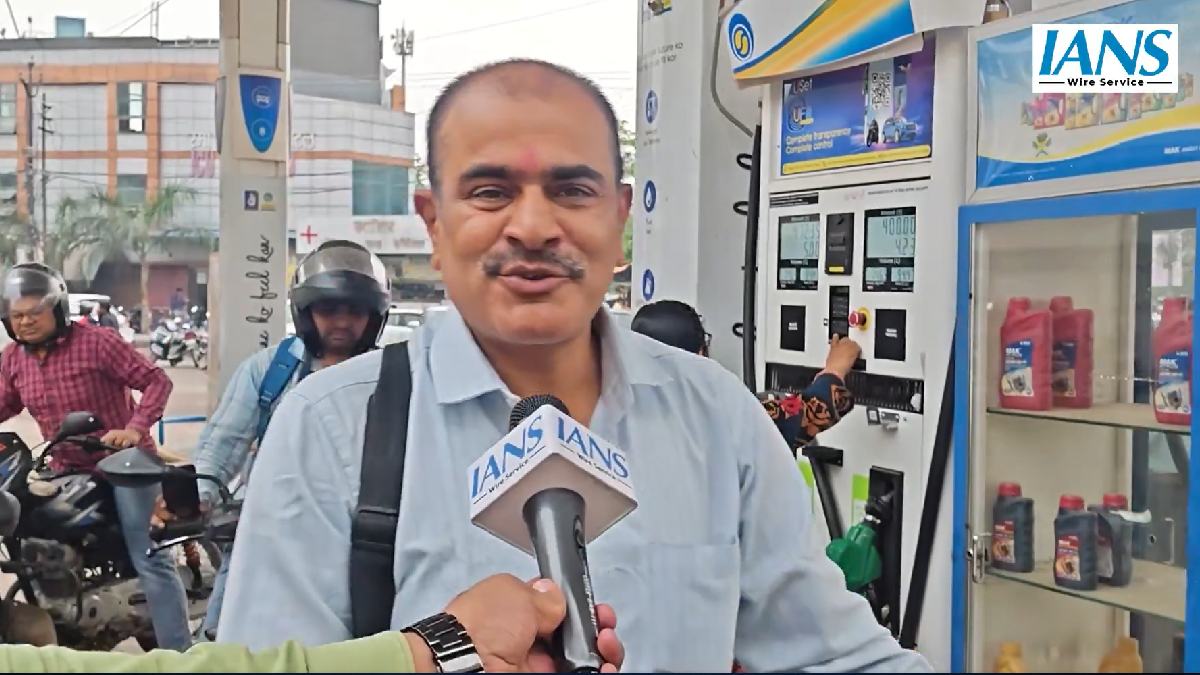
In a huge stride to bridge the gulf between “Regular” and “Premium” fuel, the Government of India has launched a mandate requiring all E20 (20% Ethanol-blended) petrol to provide a minimum 95 Octane rating. Starting with the 2026 roll-out phase, this policy initiative is an impetus so that India’s gas quality remains within the range of the international standard for Euro VI while ensuring the needed high compressors in today’s modern engines receive an even better boost.
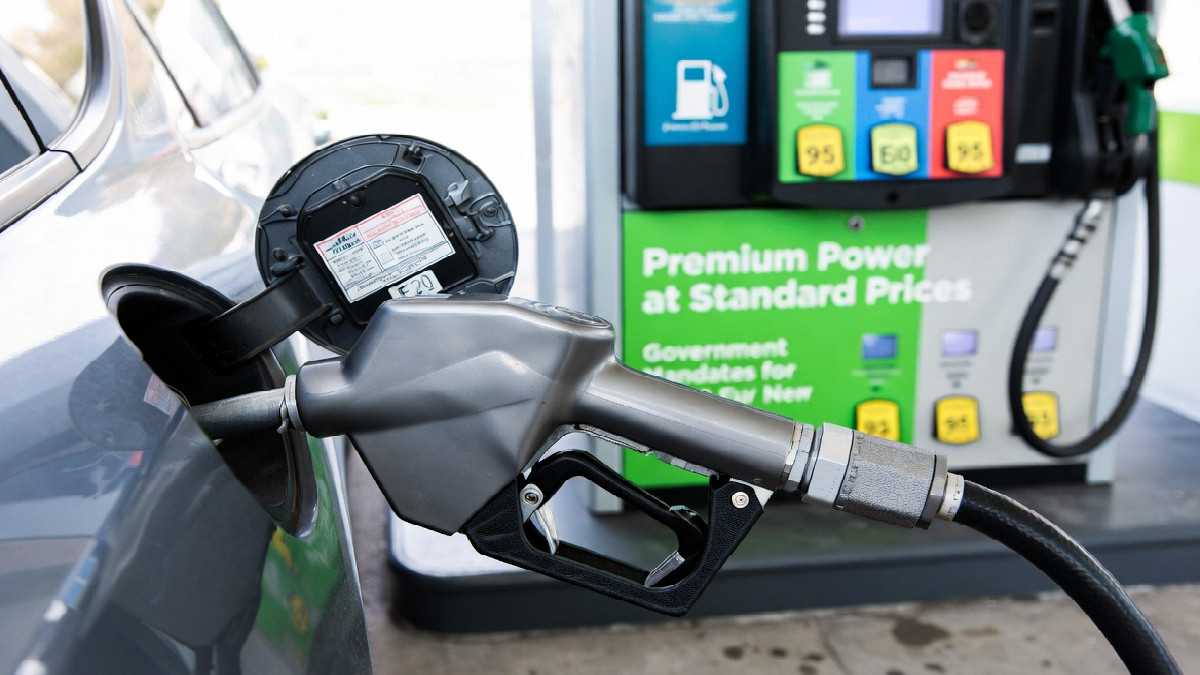
In India, the standard petrol is currently 87 to 91 Octane and 95 Octane (often marketed as ‘Speed’ or ‘Power’) has a very high price tag. The new mandate also requires that the base fuel used to blend E20s has to automatically be at the 95 Octane, providing every commuter with a “premium” performance offer at the price of normal petrol.
Why 95 Octane Does Matter for Your Fuel Unit
The Octane rating gauges a fuel's strength against "knocking" or "pinging" when it's burned. In addition to these benefits, higher octane means engines can perform at higher compression ratios, which means:
- Increased Fuel Efficiency: New generation engines (especially turbocharged ones) are now more efficient than ever thanks to more gas octane fuel.
- Better Performance: The driver will have a smoother acceleration and less engine noise, especially in compliant BS6 / BS6 Phase 2 vehicles.
- Lower Emissions: High-octane E20 burns cleaner, making even more contributions towards minimizing the carbon footprint beyond the improvements already obtained by mixing ethanol.
The Ethanol Advantage
The beauty of this “free upgrade” is in the chemistry of Ethanol. Ethanol has a naturally high octane (about 108). By blending 20% Ethanol into a high-quality base spirit, the Oil Marketing Company(OMC) can achieve 95 RON (Research octane number) more cost-effectively. "This is a win-win for both the consumer and environment," says a senior official in the Ministry of Petroleum and Natural Gas.
"We're heading towards a 'One Nation, One Grade' fuel system where ordinary and premium petrol are no longer separable to the average car owner." Impact on the Automotive Industry. The move has been praised by automakers. The vast majority of engine designs worldwide have been optimized with 95 Octane fuel. Before, Indian versions of international car models had to be “adapted” to be able to operate the lower quality 91 Octane petrol.
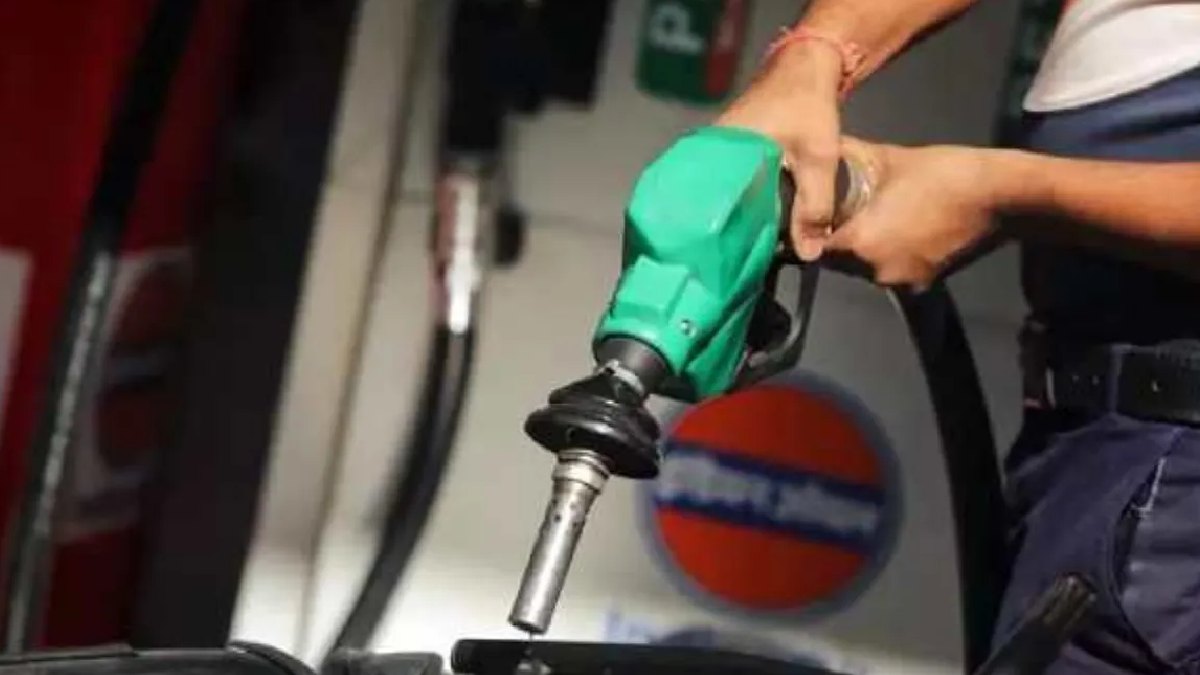
95 Octane now being the E20 standard, enabling the most sophisticated, powerful engines to be introduced in the Indian market. Consumer Outlook. Although the 95 Octane fuel production is only marginally more expensive than any other fuels for refineries, the government’s move for ethanol subsidies plus scale-up of E20 production will help ensure we keep retail prices stable. For the millions of Indians now paying top dollar for “branded” premium fuels, this mandate provides instant financial relief, with no compromise to engine health.