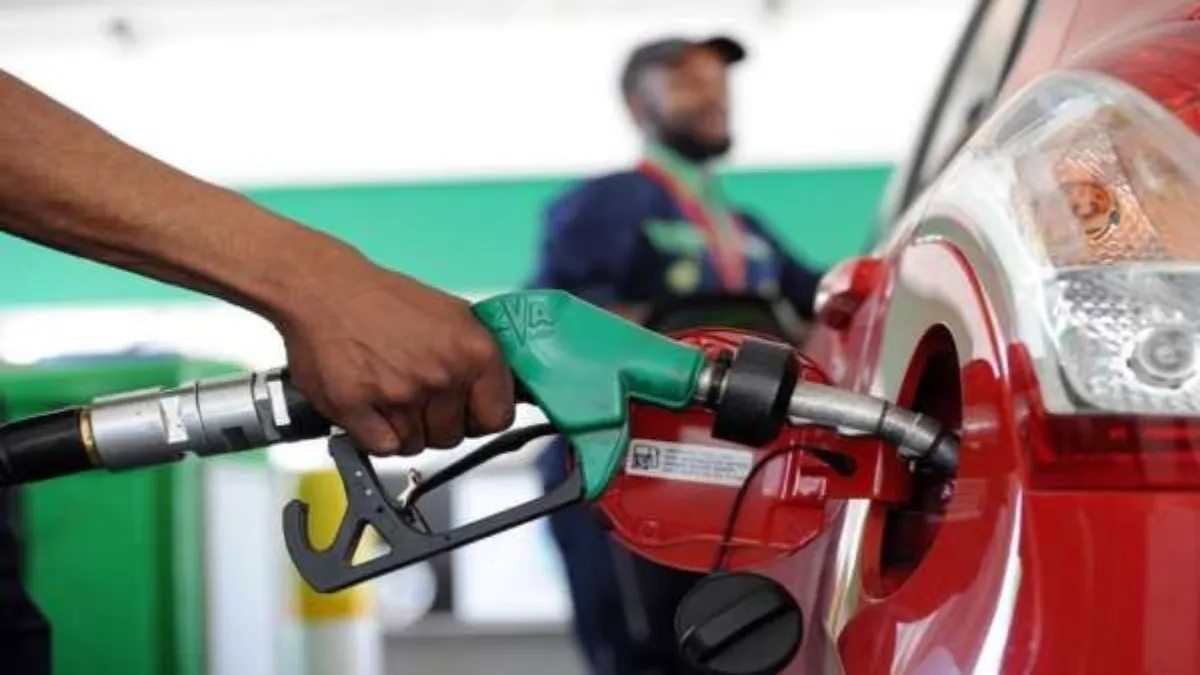
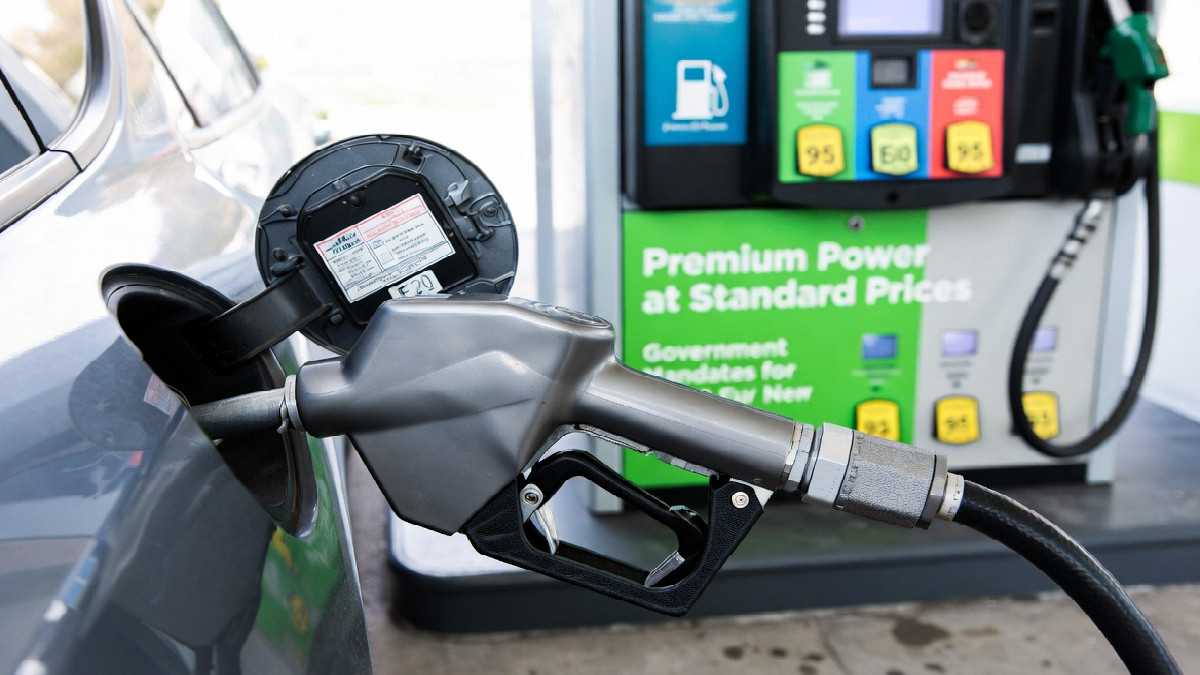
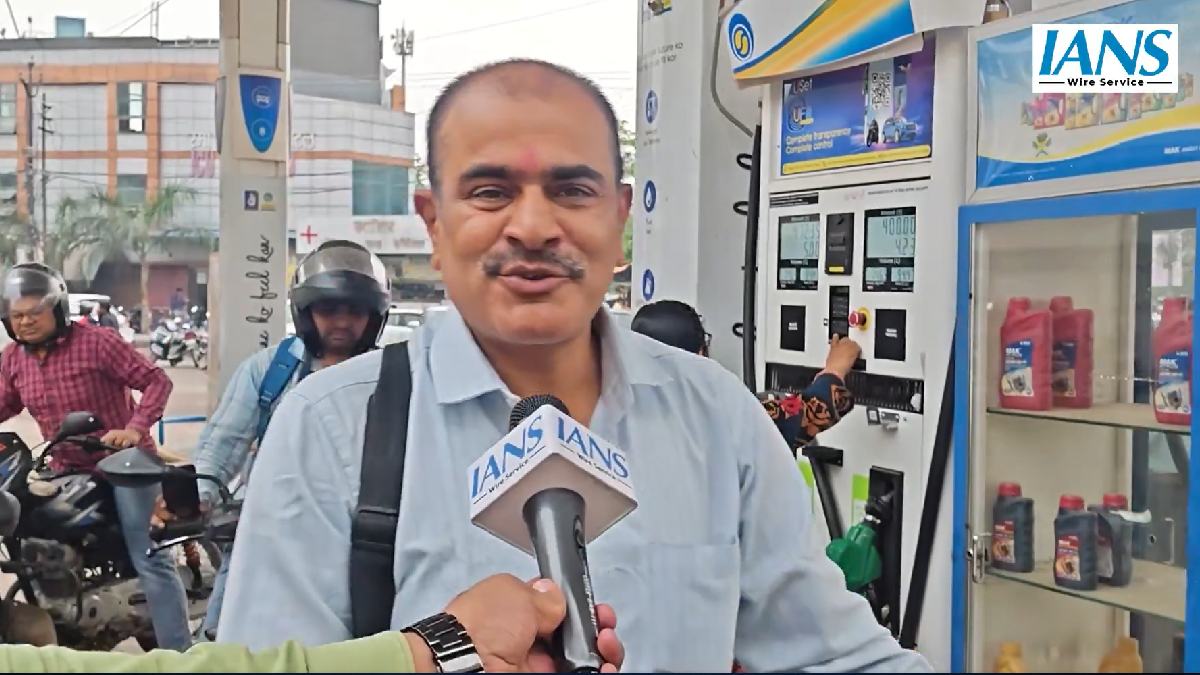
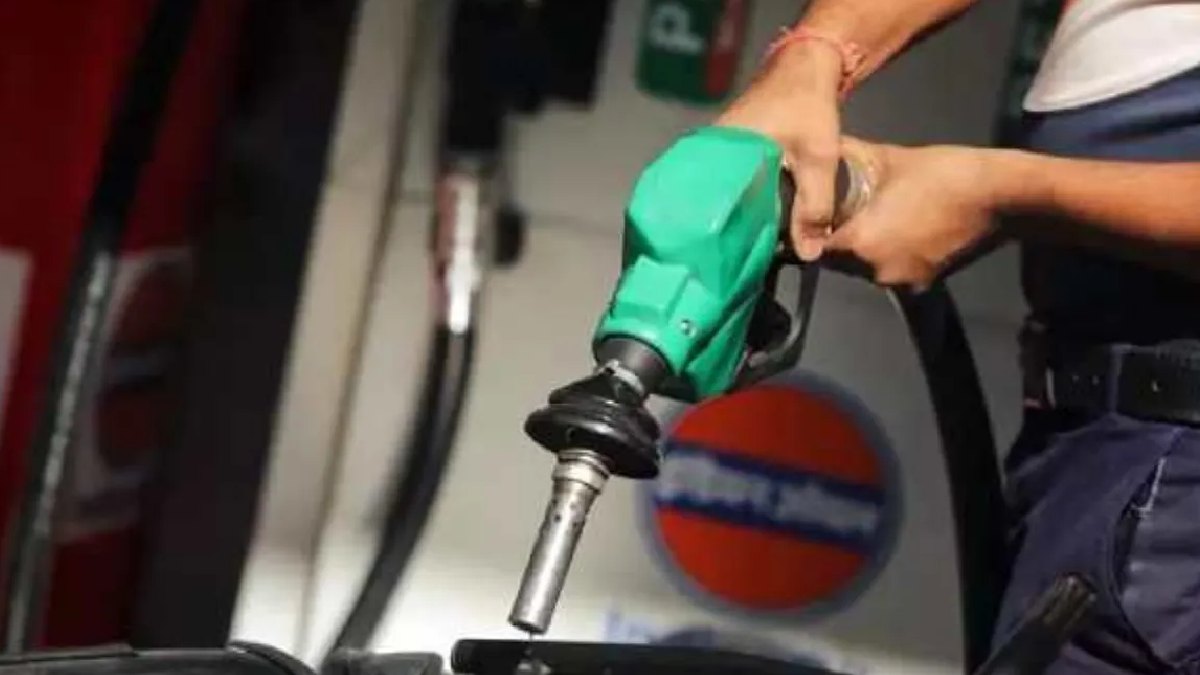
In a bid to keep up with global crude prices, the Indian government has cut fuel taxes and offered relief to millions of Indians. Petroleum excise duty has been reduced by ₹3 per litre and diesel duty to be zero, in line with ever stronger pressure from the ongoing Iran War 2026.
The decision has come at a time when oil trading market is highly volatile from high tension in the Middle East. After huge oil prices since 2008 with supply disasters and as well of an uncertainty around crucial shipping routes like the Strait of Hormuz, such as which India needs most for its energy.
The move is intended for domestic consumers to absorb the huge surge in fuel prices, federal government officials say. In the wake of all these global challenges, India has been able so far to maintain rather reasonable regional prices through selective supply choices and a sophisticated supply balancing policy.
Excise duty cuts will certainly reduce the retail price of petrol, and the reduction of diesel duty will dramatically reduce the transportation costs. This would provide an economic boost to inflation, as diesel supplies a lot of the transport through the country.
Experts say this government is toeing a tightrope — balancing fiscal strains with consumer welfare. Fossil fuel taxes are a huge part of revenue, so a hit to government finances is bad. But crude prices are rocketing due to geopolitical tension and intervention just made sense (see).
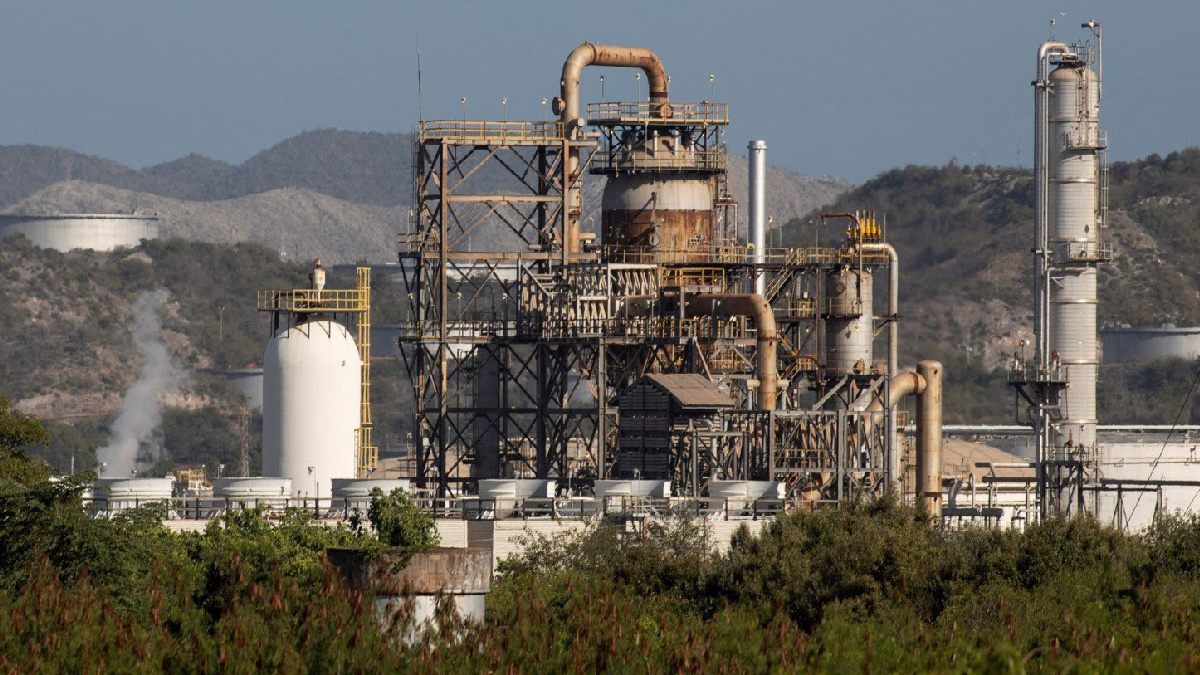
India in particular, when it imports about 85–90% of the crude oil it consumes each year, is the most vulnerable to global price shocks. Such tax cuts are often used to soften the blow brought by external economic conditions but the analysts say are an efficient means to shield against a broader impact on the wider economy from external factors but also to put a ceiling on whether they rise or fall.
The result is also likely to have political implications as fuel prices remain politically charged. Low petrol and diesel prices will relieve households already affected by inflation in other areas.
Although that has proved positive right away for consumers, the effectiveness and longevity of such tax cuts will depend on how long global oil prices remain high. If the Iran conflict lasts and crude prices rise all the more may the way policy need to change again.
And for now the reduction in excise duty is a much-needed breather, and it indicates the government’s priority on consumer relief in the wake of all these geopolitical changes happening around the world.