Narendra Modi has expressed deep grief at the loss of lives in the building collapse in Bhiwandi, Maharashtra, and announced ex gratia financial assistance for families affected by the tragedy.
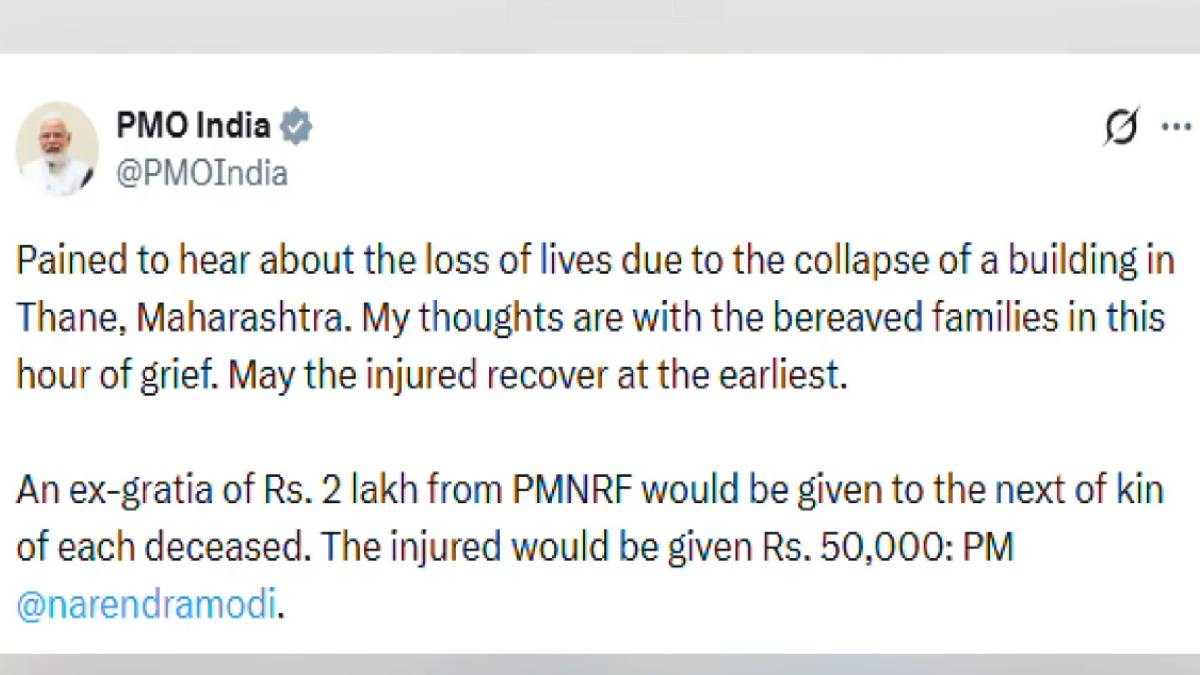
The Prime Minister said he was sorry for the families who lost loved ones in the disaster. He also wished people who sustained injuries in the collapse well.
PM Modi mourns loss of lives in Bhiwandi building collapse; announces ex gratia relief. pic.twitter.com/nUIehwEPa2
— News Arena India (@NewsArenaIndia) July 31, 2026
The Prime Minister announced that financial assistance would be provided from the Prime Minister’s National Relief Fund (PMNRF) to families of those who died and the people injured in the incident.
An ex gratia amount of ₹2 lakh is to be paid to the next of kin of each person who lost their life, as well as ₹50,000 to those injured, said the relief announcement.
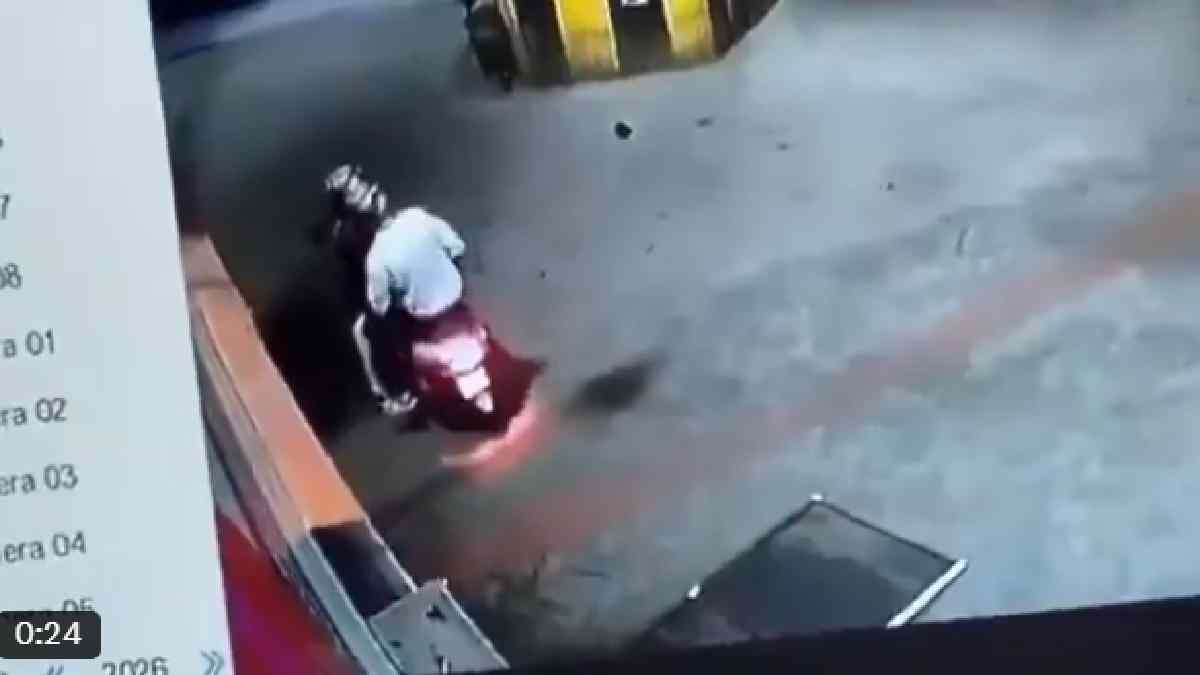
The building collapse has caused grief and concern in Bhiwandi, with rescue and emergency teams working at the site to search for survivors and help those affected. The authorities are now conducting relief operations and assessing the extent of the damage.
The incident has raised questions about the structural safety of old and vulnerable buildings in densely populated urban areas. Many of the aging residential buildings in Bhiwandi are falling apart, and building safety has been a major civic issue in this city for many years, especially in the face of heavy rainfall.
Emergency services (law enforcement, fire and rescue services) and other emergency personnel were sent to the site after the collapse. Rescue workers were trying to remove the debris and find people who may have been trapped.
The Prime Minister's message of condolence and the announcement of financial assistance underline the Centre’s support for the affected families. Ex gratia relief is intended to provide immediate financial help during a difficult period.
The Maharashtra government and local administration are also expected to help and coordinate the relief efforts. They could assess the damaged building and investigate the cause of the collapse.
The age and condition of the building, the history of maintenance, any weaknesses of the structure, and weather will also be considered by the authorities. Based on the analysis, any action will be taken against those responsible for its maintenance.
The tragedy has revived calls for regular structural audits and timely action against unsafe buildings. Civic authorities are often required to identify dangerous structures and issue notices for repairs, evacuation, or demolition where necessary.
People in nearby buildings may also be urged to follow safety advice as they see threats to their home building. The local government is expected to be at the scene of any danger, and assessment is expected to continue as rescue and assessment work is being carried out in the neighborhood.
The Prime Minister’s condolences have been for the human impact of the disaster. Families affected by the collapse are in a tough situation, and the promised financial assistance is expected to help in an immediate way.
The ex gratia payment does not replace the need for long-term rehabilitation, medical care, and accountability. So more support may be needed for families who have lost their primary earning members or whose homes and belongings were damaged.
Rescue and relief operations are ongoing, and more information on casualties, the condition of injured persons, and the results of the investigation will also be available.
The Bhiwandi building collapse is an example that building safety, preventive maintenance, and timely intervention are very important in cases where structures are at risk.
So far, Prime Minister Modi has expressed his sympathy for the families affected by the disaster and sorrow for the loss of people’s lives, and has announced financial support from the PMNRF. The government supports the families of the affected and those who were injured as relief and rescue operations are ongoing.