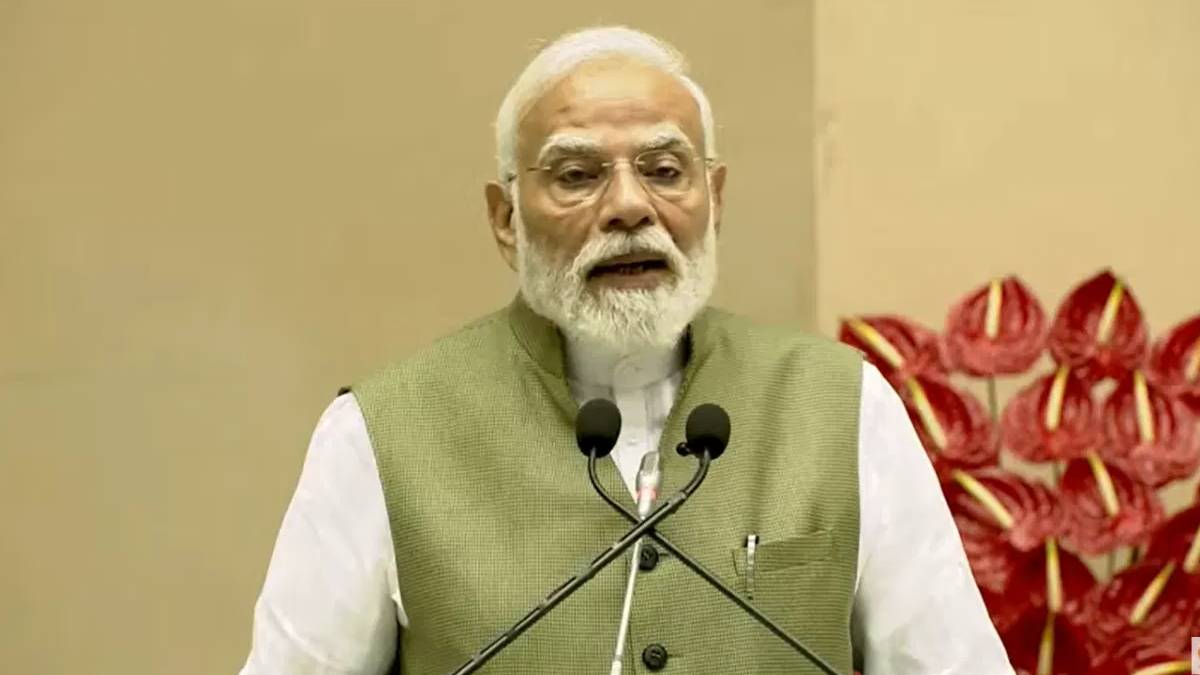
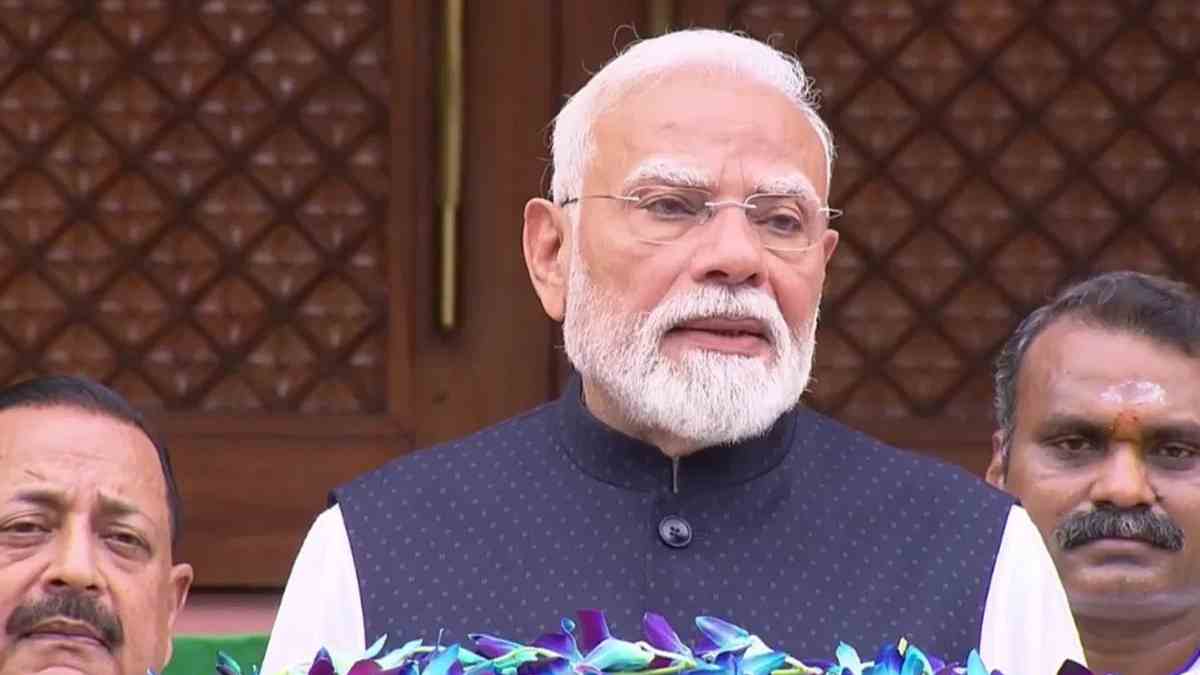
Narendra Modi’s high-powered Task Force on Examination Reforms has been formed in the name of reform; this is a major step towards transforming India’s public examination system. It is to recommend structural, technological and administrative reforms that would make examinations more transparent, secure and technology-based.
The announcement comes amid growing concerns over examination irregularities and paper leak incidents across the country. Along with the proposed Anti-Paper Leak Amendment Bill, the Centre has indicated its intention to strengthen the integrity of recruitment and entrance examinations.
Nandan Nilekani to head the Panel
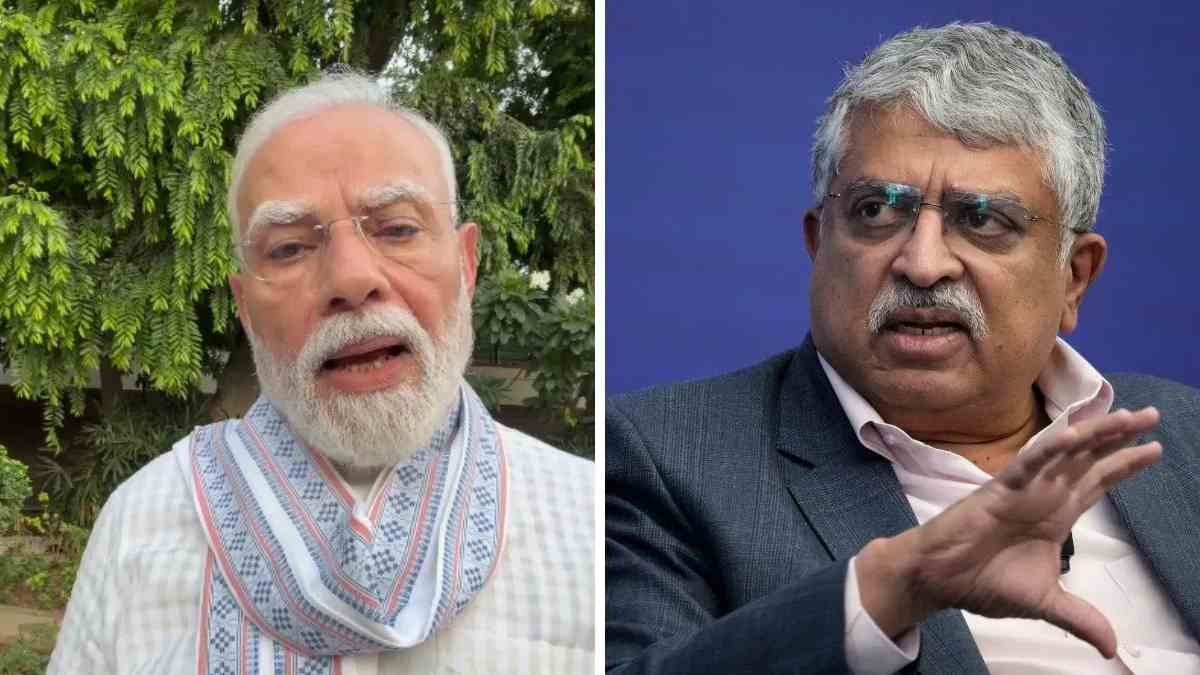
The task force will be chaired by Nandan Nilekani, co-founder of Infosys and architect of India's Aadhaar project. Nilekani is renowned for leading big-scale digital transformation efforts, and will be at the helm of efforts to modernise the country’s examination ecosystem.
The committee is now tasked with developing a “trustworthy, transparent and technology-driven” assessment mechanism, said the Prime Minister, who said in a speech in the parliament, to build a “trustworthy, transparent and technology-based assessment framework for students and job aspirants”.
Who are the experts?
The newly formed panel brings together a diverse group of experts from technology, education, administration and public service. In addition to Nandan Nilekani, the task force includes:

Senior educationists and academic experts. A former ISRO chief with decades of experience in scientific and technological leadership. A former intelligence chief with expertise in security and investigations. Technology experts and digital governance experts. Professional public policy and institutional reformers and experienced administrators who have experience in public policy and institutional reform.
The multidisciplinary nature of the panel is intended to tackle exam questions from a variety of angles— security, governance and technology.
The Task Force objectives
The committee has been asked to recommend reforms focusing on:
Public examination transparency. Keeping question papers from leaking and organized malpractice. With the latest technologies in place for secure examination. Building up administrative systems and accountability. Building trust in recruitment and entrance exams.
The panel will study the current examination practice and suggest possible measures to be implemented in various national-level examinations.
Background
We have been seeing protests from students and job aspirants who have been protesting examination irregularities and paper leaks. And so the government has to do more.
Apart from the task force, the government has also announced amendments to the Public Examinations (Prevention of Unfair Means) Act, 2024, with stronger penalties, time-bound investigations and specialised mechanisms to address examination fraud.
Fully implemented Examination System to Modern Testing
The government thinks that technological innovation and solid legal and administrative safeguards will create a more trustworthy examination ecosystem.
The High-Powered Task Force’s recommendations will help shape future policies for entrance tests, recruitment exams, and other public assessments to enhance confidence at the entrance level and the fairness of exams in India.