Narendra Modi has maintained that his recent three-country diplomatic tour is about strengthening India’s strategic involvement in the Indo-Pacific region and reinforcing India’s long-standing “Act East Policy” in the region.
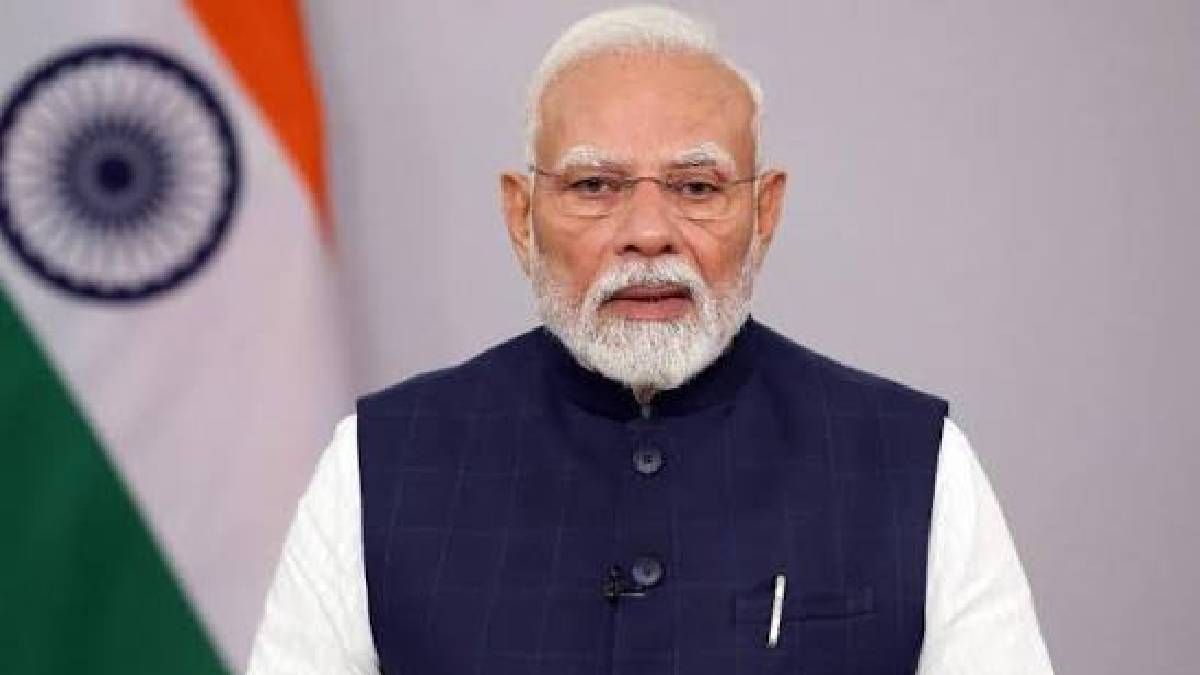
During the talks, Modi told parliament that India is working towards a “free and open Indo-Pacific” and has become very keen in all of the above, highlighting India’s commitment to regional peace and development and economic and maritime security.
The tour is viewed as a significant step in helping India achieve its foreign policy objectives - in particular it would be good for India to build relations with the key partners in Southeast Asia and the Indo-Pacific region.
The “Act East Policy” (originally conceived to improve economic and strategic relations with East Asian nations) has evolved into a broader approach of defense cooperation, connectivity projects, trade expansion and cultural diplomacy.
On the visit, India will have high-level discussions with partner countries on maritime security, counter-terrorism cooperation, digital infrastructure, climate change coordination, and supply chain resilience.
These issues are increasingly important given the Indo-Pacific region where geopolitical competition and economic interdependence are only growing.
PM Modi’s mantra of “free and open Indo-Pacific” is consistent with India’s vision of an inclusive regional order where all countries have equal access to seas and trade routes without coercion.
This also indicates India is much closer to it than other countries that support rule-based international systems, freedom of navigation and respect for sovereignty.
The tour will also boost India’s economic diplomacy. India has been aggressively working on expanding trade deals and attracting foreign investment in sectors such as renewable energy, technology and manufacturing. The connectivity projects (e.g. maritime routes, digital infrastructure and regional transport corridors) are also essential to this.
The visit comes at a time when global supply chains are undergoing structural changes, international diplomats say. And it is a time when countries are looking for more diversified trade partnerships and India is positioning itself as a reliable and stable economic partner in the Indo-Pacific region .
And this is consistent with India’s aspiration to become a $5 trillion economy in the coming years.
Cultural diplomacy remains an important pillar of the Act East Policy. India is working to build people-to-people relationships through education exchanges, tourism and common cultural heritage with Southeast Asian countries.
On the whole, PM Modi’s three-nation tour will help to cement India’s long-term Indo-Pacific strategic footprint and deepen the country’s strategic relationship with the Indo-Pacific region and help it to promote cooperation, stability and economic development in order to foster cooperation in the Indo-Pacific as it looks to build a healthy ecosystem for India to grow and strengthen its international relations.
In the name of a free and open Indo-Pacific, India is a sign of supporting a free, open Indo-Pacific and if it is a “free and open Indo-Pacific,” it is also the sign of a balanced and inclusive Indo-Pacific that is better for peace and prosperity and the development of the region so that India is on the step by step basis and that the Indo-Pacific region will be peaceful and a place of regional stability, economic development and security of the country’s economy, and economic growth is ensured, Modi’s three-country tour of the Indo-Pacific is, in essence, a continuation of India’s three-country diplomatic tour and is in line with the country’s long-standing “Act East policy.
The tour is viewed as an important step towards India’s foreign policy goals and deepening relations with the key partners in Southeast Asia and the Indo-Pacific area. A policy, ‘Act East Policy,’ begun to deepen economic and strategic ties with East Asian countries, has become a broader framework in both defense cooperation and connectivity projects as well as trade expansion and cultural diplomacy.
During the visit India will have high-level discussions with partner countries on maritime security, counter-terrorism cooperation, digital infrastructure, climate change collaboration, and supply chain resilience.
These issues have become increasingly important in the Indo-Pacific region where geopolitical competition and economic interdependence are both intensifying.
PM Modi’s call for a “free and open Indo-Pacific” is consistent with India’s vision of an inclusive regional order, where all countries have access to seas, trade and ports and the sea and trade routes without coercion. This is also consistent with India’s commitment to rule-based international systems, free navigation and sovereignty.
We expect the tour to enhance India’s economic diplomacy. India is in the process of expanding trade relationships and getting foreign investment in renewable energy, technology and manufacturing. Connectivity projects (e.g., maritime routes, digital infrastructure and regional transport corridors) are also a priority area.
The visit will come at a time when global supply chains are undergoing a huge restructuring, diplomats say. Countries are looking to diversify trade, and India is positioning itself as a reliable and stable economic partner in the Indo-Pacific region. And it fits with India’s larger goal of becoming a $5 trillion economy in the next 10 years.
Cultural diplomacy is a key pillar of the Act East Policy too. India is still building people-to-people ties through education exchanges, tourism and shared cultural heritage with Southeast Asian countries.
On the whole, PM Modi’s three-nation tour will help strengthen India’s strategic presence in the Indo-Pacific and be a driver for cooperation, stability and economic growth and will hence strengthen India’s strategic footprint. India must promote a free and open Indo-Pacific as a region in which India is clear about supporting a balanced and inclusive regional order for peace and prosperity.