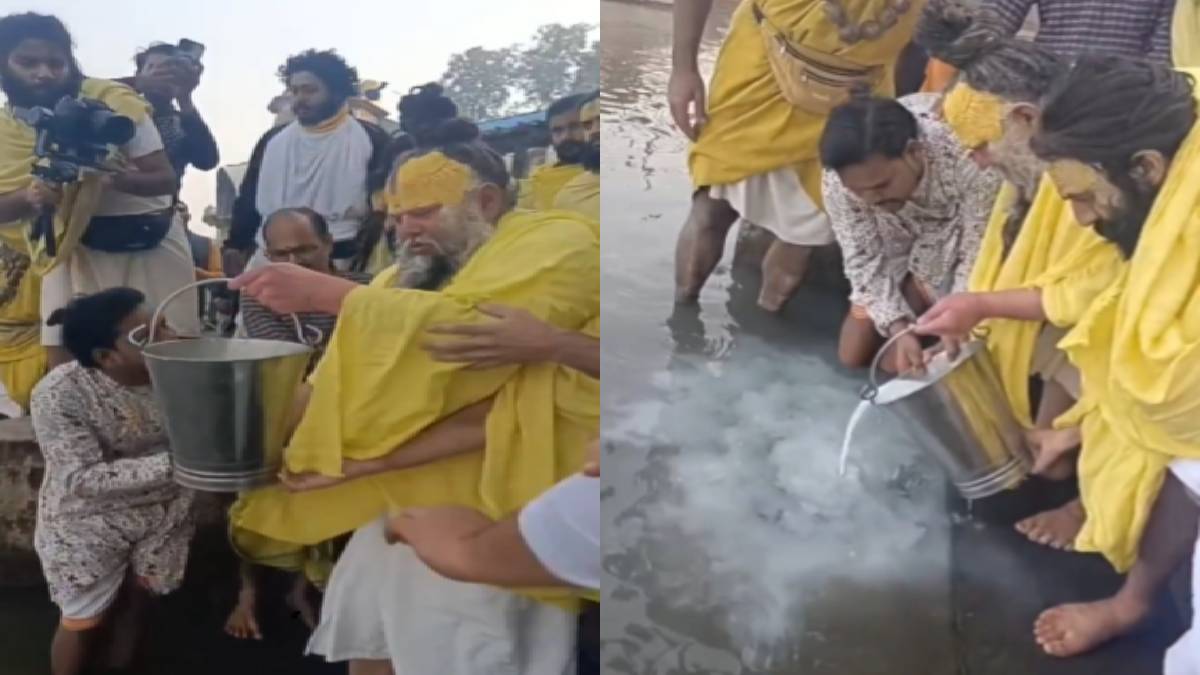
From any river, like the Ganga, people are religious in India. During Navratri, Durga Puja, Chhath Puja and so on, they worship their deities and as this is the temple tradition in Indian religion, they do much more or less put flowers, garlands, foods and idols into rivers with them. However, their offerings are still thrown in rivers even after many have been donated to that purpose. With the government setting up separate boxes in riverbank collections, this practice still remains and with it pollution and ecological damage are a concern. This debate is where faith meets ecological responsibility.
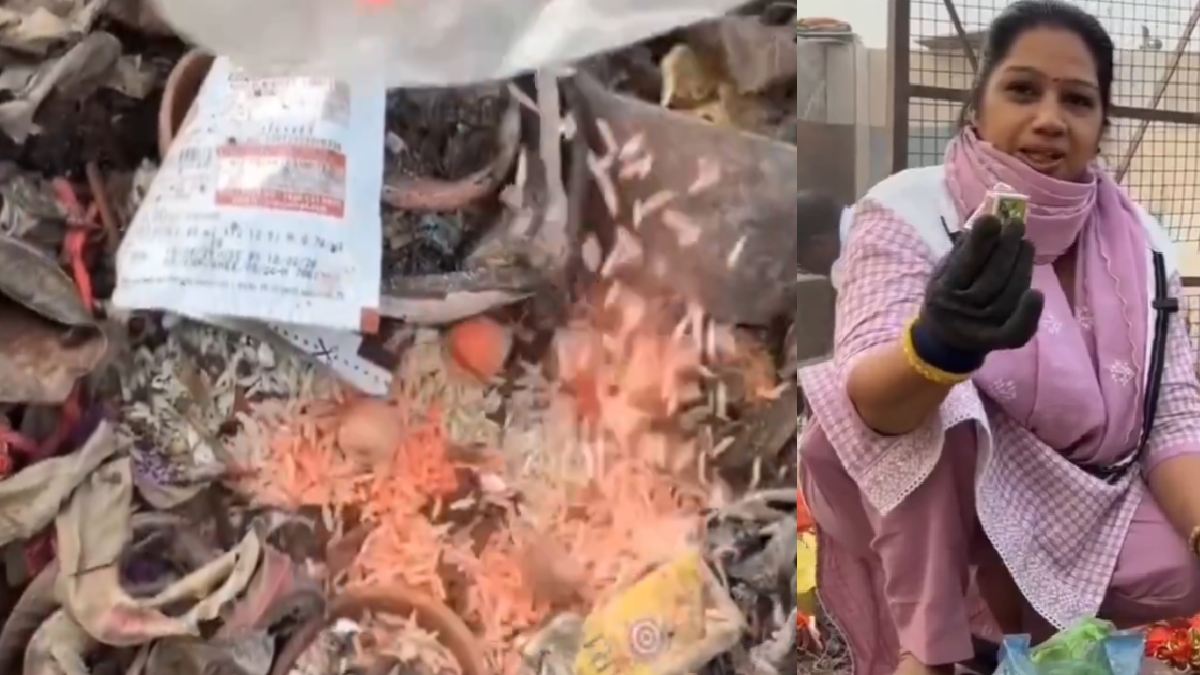
The Practice
Traditionally, devotees think that one needs to put the puja on the river to be accepted by the god. As a result, flowers, cloth and even idols can be thrown into oceans. A faith-based act has unintended effects as well. Plastic and chemical paints from idols are mixed in rivers and this is an effect that can lead to water quality issues.
Government Efforts
The government, however, started the Namami Gange Programme, one of India’s flagship projects in order for the Ganga to be cleaned and revived. With a budget of over ₹22,500 crore, this project includes sewage treatment plants, riverfront development and awareness programs. We have constructed separate bins and designated areas for puja garbage at ghats so it can be disposed of or recycled. But we have to carry on trying and trying to achieve a sustainable outcome.
Why It Matters
River pollution is present in all our day-to-day lives. Organic waste increases bacterial growth and reduces oxygen levels, and damages fish and other aquatic populations. Community water supply and agricultural life is made of human beings and when people drink, bathe and eat there, water runs into those rivers, then at many of its downstream populations can also get badly sick as well. And the issue is social and cultural if rivers are India's source of life and heritage.
Cultural and Environmental Balance
Festivals are part of every Indian life and rivers are a precious space. But it is a challenge to preserve, whilst preserving the culture and its own right, and preserving nature as well. So ecologically friendly measures, such as biodegradable materials, composted flowers and recycling of items can help. Religious leaders and community groups, who are also promoted by the government as well, so you can see that devotion can go hand in hand with responsibility.
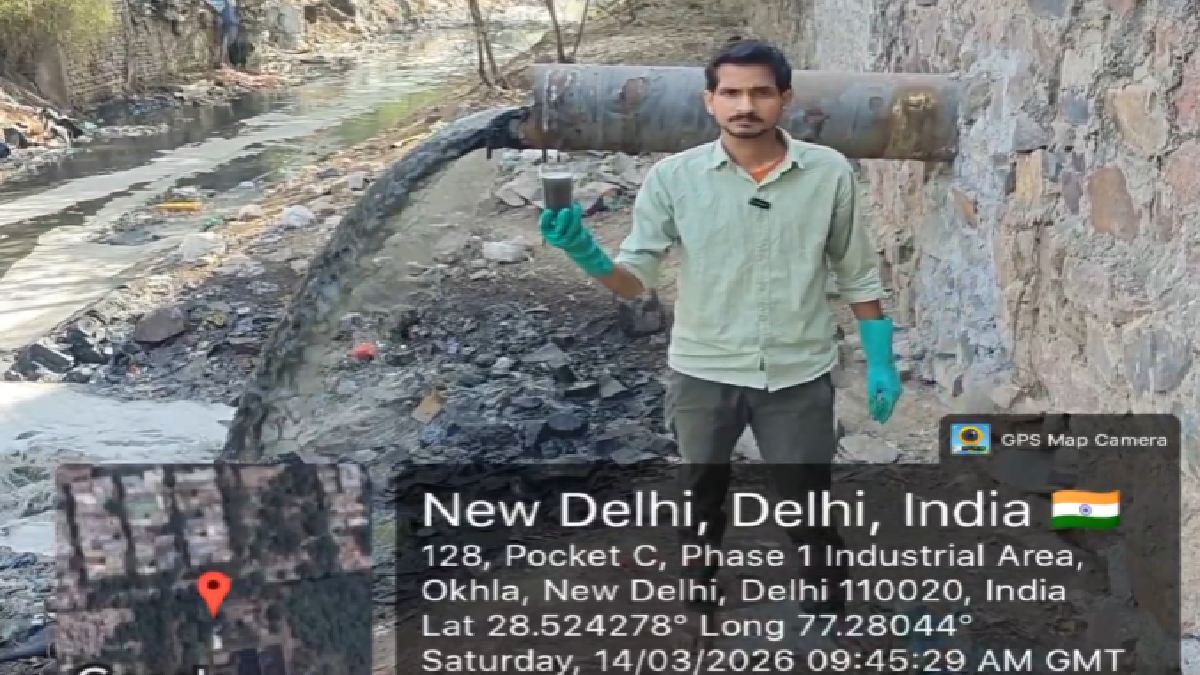
The problem of puja offerings polluting rivers is a manifestation that faith should also be treated with care to the earth. But change must be brought into India from a sustainable base of people. So India must respect tradition and nature so that rivers stay sacred and clean and life-giving for years to come.