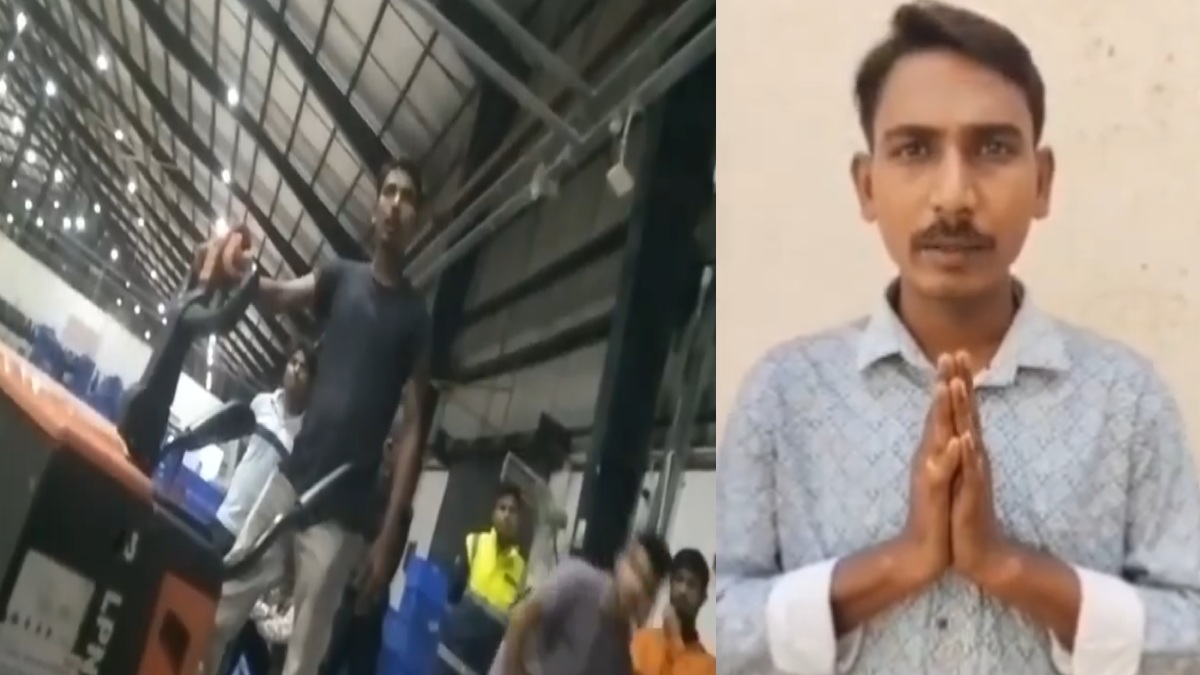
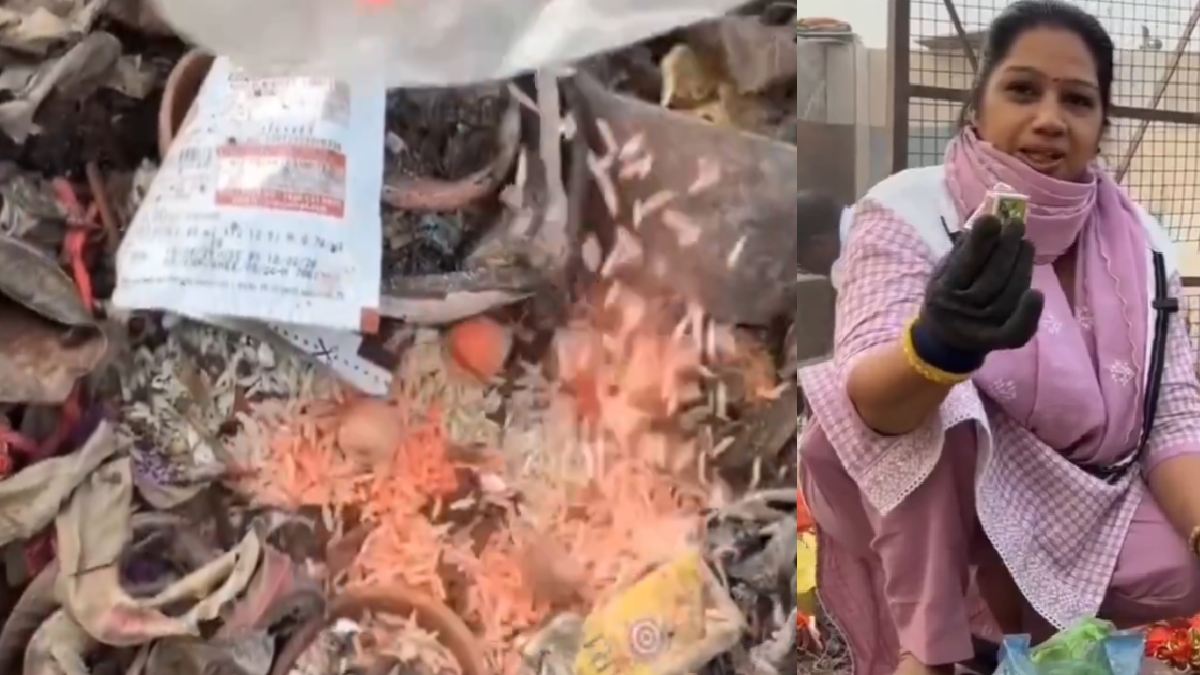
India, a country of lengthy traditions, colorful rituals, and spiritual devotion. But occasionally well-meaning customs raise hard questions especially when those questions clash with urgent human needs. One of those practices is pouring milk into rivers as an offering to gods and goddesses. Although this gesture is based on faith, it has already begun to attract the question: Can this milk do a more beneficial thing?
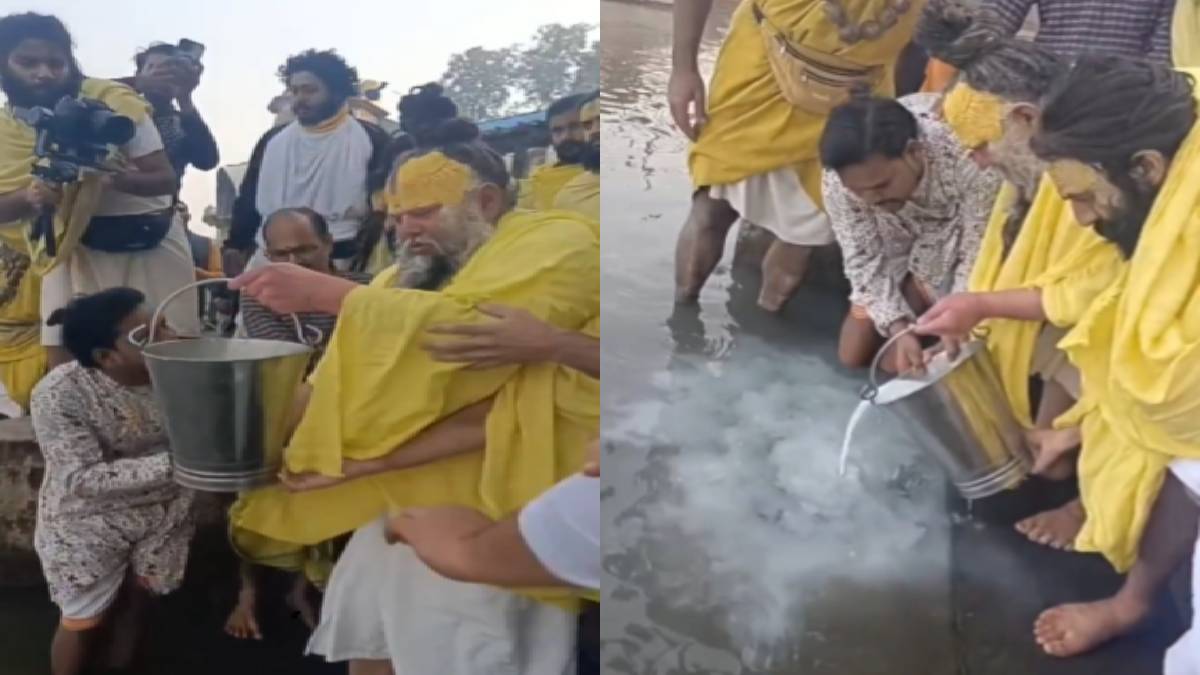
Approximately 3,000 - 4,500 children die each day in India because of hunger and malnutrition. That’s a heartbreaking number. And yet, in many of these places, milk is poured into rivers at religious ceremonies, and endless numbers of children go to sleep hungry. It’s generated a conversation about tradition while still looking after the common man.
Every day, approximately 3,000 to 4,500 children die in India due to hunger and malnutrition.
— Honest Cricket Lover (@Honest_Cric_fan) February 3, 2026
But instead of donating milk to the poor, we only pollute the river by pouring it into the river. pic.twitter.com/2T3zPFbqwt
Pouring milk into rivers are symbolic actions that occur in Hindu rituals. It’s viewed as a way to demonstrate devotion, purity and respect for the gods. The milk, usually sacred, is provided to nature or to idols, during pujas and festivals. The ritual has been in the temple culture and the communities for centuries. It’s not done out of evil intent, it’s out of faith. But in contemporary society where poverty and hunger remain top of mind, people are starting to question: Is there a better way to convey devotion?
India has made progress in fighting poverty, but hunger and malnutrition are still major problems. Many families find it hard to afford basic food. Children become stunted, weak and die from poor nutrition. Milk is one of the most meaningful nutritional sources (particularly to babies and young children). It contains protein, calcium and energy. For a child who hasn't eaten all day, a glass of milk can be life-changing. So when milk is poured into rivers, the meaning is not just symbolic, it is a missed chance for someone to get good nutrition.
That doesn't mean we should abandon tradition. But it also means we can consider how to modify rituals in ways that support others. Rather than pouring milk into rivers, what if we were handing it over to orphanages, shelters or poor families? Some temples and communities have begun to do it. They give food and milk to the poor in their religious ceremonies. That way the spirit of giving stays alive, but the influence is far greater. So faith and compassion can go hand in hand. To help someone in need is also an act of worship.
Photographed and filmed moments of milk being poured into rivers have received widespread coverage online, along with captions calling attention to child hunger. Many people have expressed anger, sadness, and frustration. Others have offered ideas for redirecting resources toward feeding the poor. Such a public response indicates the public is ready for change. They want rituals to exhibit not only devotion but generosity and responsibility.
Here are some quick, common steps community members can take:
- Donate milk and food to local shelters and schools as opposed to using milk and food in ritual.
- Educate others about what hunger does to people and how small things can change the game.
- Request temples to host food donation fests.
- Provide symbolic offerings such as flowers and water instead of milk in a location and time convenient.
That change doesn’t detract from the ritual, it adds to it.
Tradition is important. It is the way we are rooted, and it provides purpose for our lives. But tradition also needs to evolve as the years go by. When so many of our children are dying of hunger, we challenge ourselves to consider: is pouring milk into a river the best way to demonstrate one’s devotion?
By choosing compassion over waste, we honor our faith and protect our futures. Feeding a child that cannot eat is one of the most sanctified things we might do. But do our rituals not make them disappear; do every bit of the necessary work to build them ever greater power and vitality, but only for it. How do we make them more profound, more loving and then the most authentic!