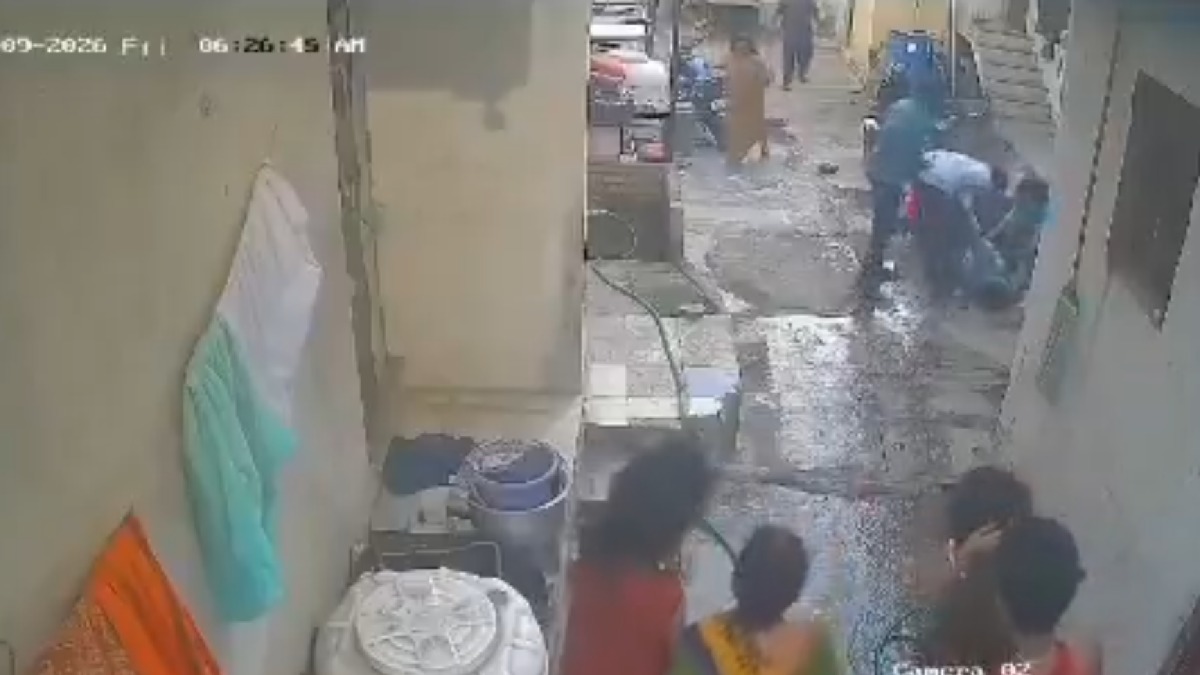
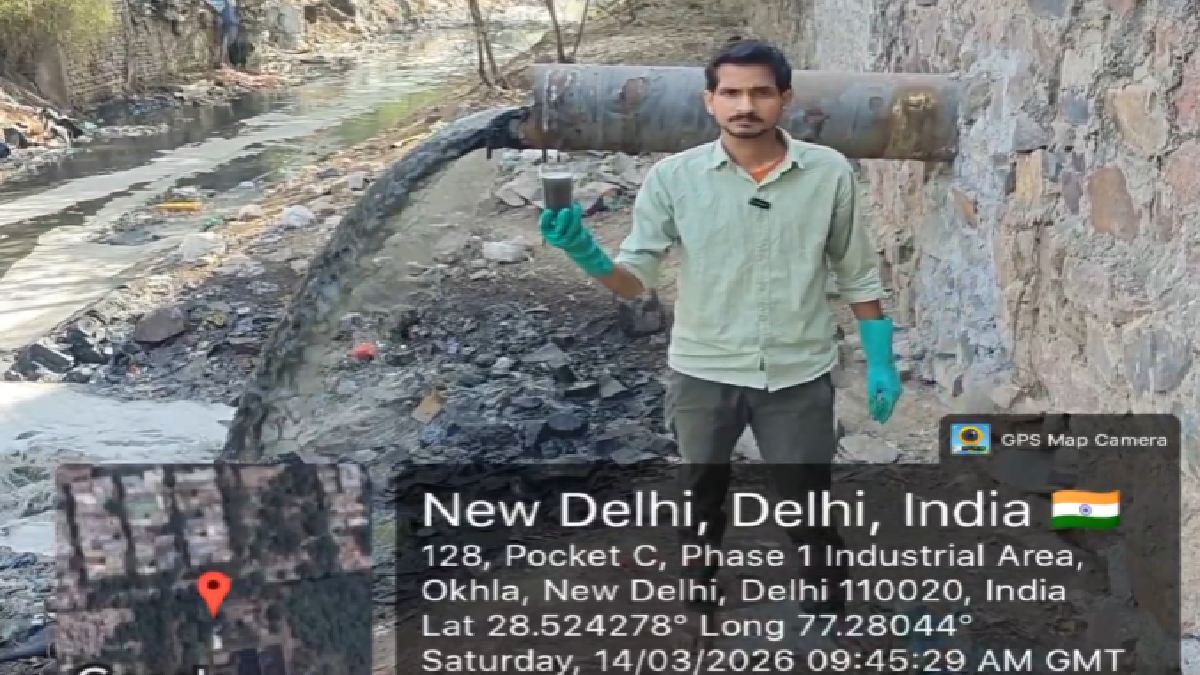
In the Okhla Industrial Area of Delhi, a disturbing sight has shocked residents and environmentalists. The 24 MLD Common Effluent Treatment Plant (CETP), which is designed to purify industrial wastewater, has been dumping black sludge straight into the drains. Rather than pumping out treated water, the plant has been the drain water. This presents grave challenges for its pollution control and to the truth of the “Clean India” promise.
CETPs are capable of treating wastewater from industry before it drains into public drains or rivers. With a 24 million-liters-per-day capacity, the Okhla CETP was envisioned to deal with effluents coming from the industrial area. Its purpose is to lower pollution and conserve the Yamuna River system.
But reports and monitoring information indicate the plant has failed to operate normally. Clean, treated water is not flowing into them; instead, black sludge and foul-smelling effluent are being dumped. At worst, poor treatment or complete failure of the system. Such negligence not only defies the controls on polluting material but endangers both the environment and public health.
Residents and activists have seen toxic sludge pour straight into stormwater drains. The water is now dark and unsafe, raising concerns of contamination. Irregularities have been reported in the plant’s performance by the Delhi Pollution Control Committee (DPCC), which monitors CETPs.
The National Green Tribunal (NGT) has ordered strict monitoring of sewage & effluent treatment plants in Delhi but the Okhla case is proof positive of weak enforcement. The sight of untreated waste getting into drains is shocking and dangerous for local communities.
When such cases like these stories are highlighted, they are significant because they provide insight into the deficiencies in environmental governance. This reminder is important for public accountability in addressing issues of responsibility not to be ignored, and reminds the authorities of the imperative of accountability for clean-up.
Under proper operation CETPs are capable of protecting rivers, lowering health hazards and improving the general social safety and good health outcomes, saving rivers and health. And the difficulty is in heavy-handed enforcement. CETPs are often controlled by industrial associations, but government agencies have poor oversight of the problem. Without harsh penalties and regular monitoring, plants could churn out untreated waste. This weakens national initiatives like ‘Clean India’, and destroys public confidence.
The Okhla CETP’s release of black sludge is the epitome of environmental failure. Instead of cleaning wastewater, the plant has polluted drains and made water poisoned. This is a major setback for Delhi, which has a strong past of pollution in Yamuna. If they don't come fast along with greater oversight-- and better accountability in carrying out its responsibilities--the dream of a cleaner India will go unfulfilled. In the meantime, our people will suffer the effects of dirty water.