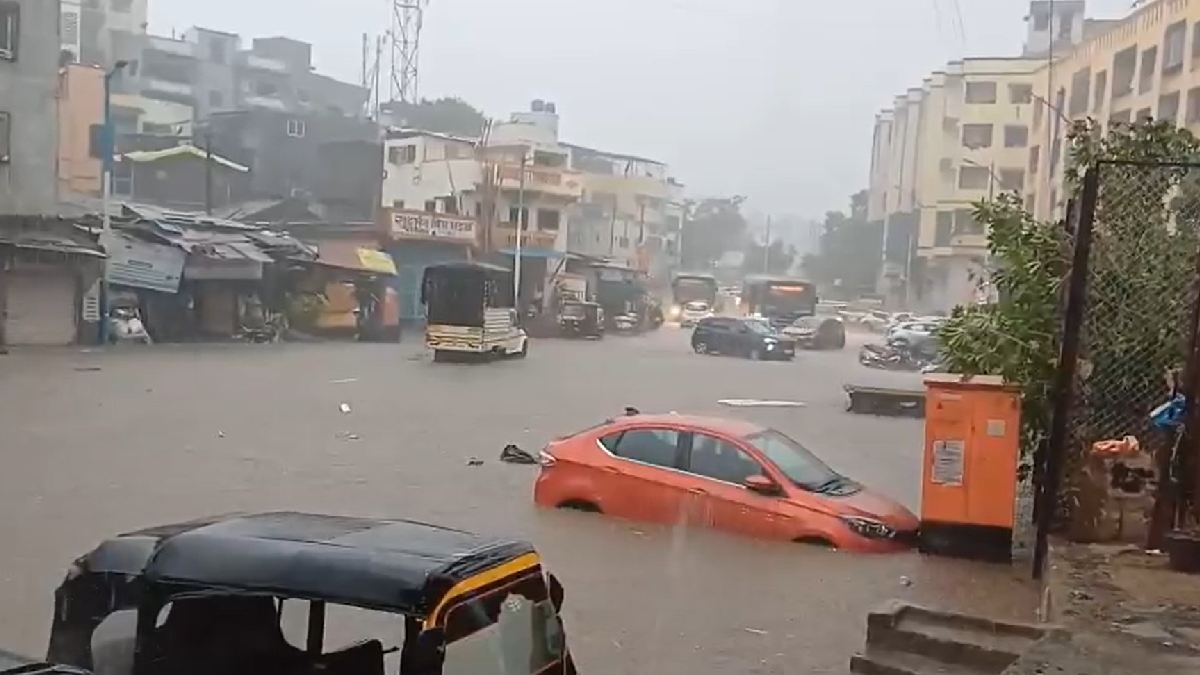
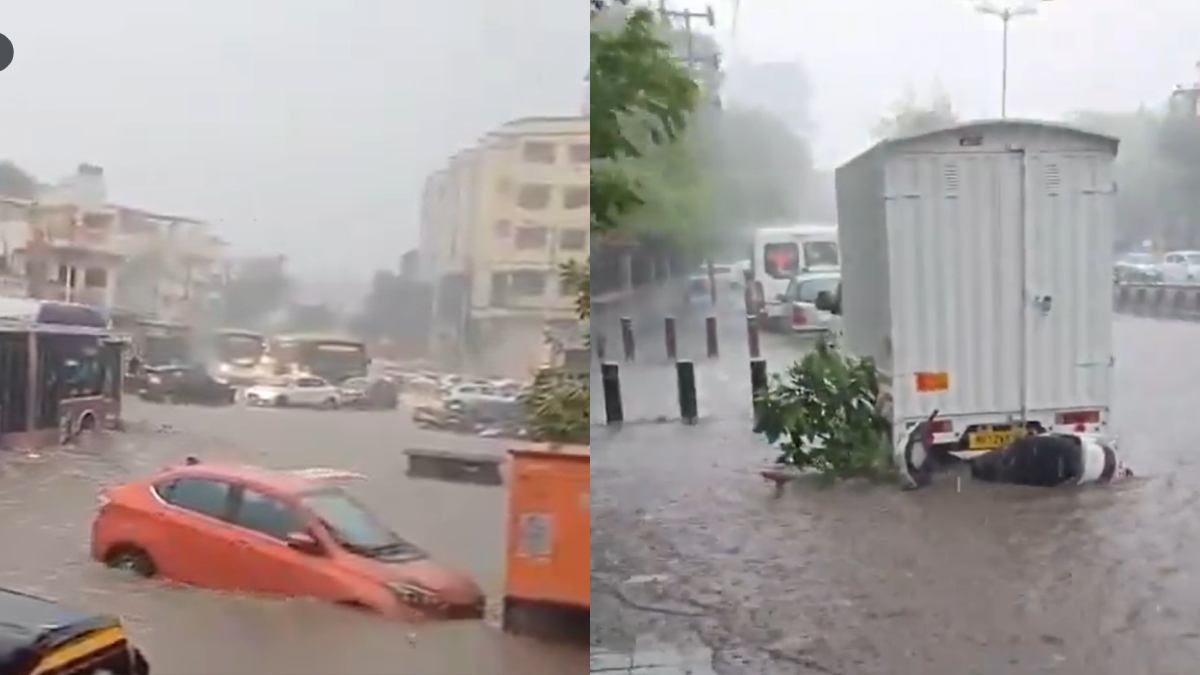
Pune had a powerful spell of unseasonal rainfall on Thursday, April 2, when a torrential storm pummeled Pune, with unseasonal rain hitting accompanied by gusty winds and thunder. The heavy rain in a torrential storm struck Pune and made major thoroughfares into rivers, caused huge power outages, and disrupted millions of residents’ lives, putting their lives topsy-turvy due to so much damage, and exposing the city’s fragile drainage infrastructure.
Tragic Fatality and Resident Outrage
The storm turned fatal in the Sinhagad Road area when a big tree collapsed because of the high-velocity winds. Ranjana Navnath Giri was struck by the falling tree. Although she was rushed to a nearby hospital, she died during treatment.
पुणेकरांच्या स्वप्नातल पुणे ते पण भर उन्हाळ्यात 😅 pic.twitter.com/y19jFKKMwI
— Ashish (@error040290) April 2, 2026
The rain was a brief respite from the heat of summer, but it also triggered a storm of anger among the people. Water gushed into numerous residential complexes in Karvenagar’s Samarth Path on the ground floors of Chintamani, Moreshwar, Rahul Complex, and GangaNagari due to the rains.

Locals have pointed the finger at Pune Municipal Corporation (PMC). Residents said that a crucial stormwater drainage pipeline is still not in place and a 100-meter gap is preventing the entire system from being completed. “Crores of rupees are spent on ‘cleaning’ drains every year, but the ground reality is that our homes are still flooding because the work is never finished,” one frustrated resident said.
Scenes from Pune.
— Mumbai Nowcast (@s_r_khandelwal) April 2, 2026
1 hour of Heavy Rains causing waterlogging#PuneRains pic.twitter.com/0nzrGEZGcq
Infrastructure Paralysis: Roads and Air Travel
The downpour caused systemic failure across the city’s transport networks:
At Kondwa, Uttamnagar, Dapodi, Kothrud, and Pimpri-Chinchwad, others were submerged in waterlogging, as roads were flooded. Cars broke down in waist-deep water, and stranded commuters were stuck in waist-deep water for hours, said one of the drivers.
Air travel took a huge hit. IndiGo flight 6E-522 from Ahmedabad to Pune was forced to divert to Goa due to poor visibility and storm conditions. Dozens of other flights were also delayed for many hours.
The Airport Struggle: Passengers landing at Pune Airport found themselves stranded. With the city’s roads paralyzed, app-based cabs and pre-paid autorickshaws were not available. “No rickshaws could reach the airport because they were all stuck in gridlocks elsewhere,” said Prakash Rajguru, a local driver.
3–4 hours of rain and Pune is already waterlogged… monsoon hasn’t even started yet. Time to plan how we actually fix this.#Pune pic.twitter.com/hmLmYGo2oq
— Being Punekar (@beingpunekar1) April 2, 2026
Rainfall data and IMD Warnings
The intensity of the "cloudburst-like" spell was captured in the official rainfall figures. Khadakwasla recorded the highest volume at 88.2 mm in a short span. Other heavily hit areas were Ambegaon-Katraj (83 mm), Deccan (79 mm), and Warje (76 mm).
The India Meteorological Department (IMD) issued an Orange Alert for Pune and predicted heavy rainfall and thunderstorms would continue in the next 48 to 72 hours. Similar patterns of rainfall are expected in neighboring districts such as Ahilyanagar and Dhule. Scientists and meteorologists have argued that the high intensity, short-duration rainfall was due to local atmospheric instability related to the pre-monsoon transition.
पावसाळ्यापूर्वी कामांसाठी PMC ने १५० कोटी रुपयांचा खर्च मंजूर केला होता.
— 🚩 सिद्धेश पाटील 🚩 (@Sagarpa31447100) April 2, 2026
नालेसफाई, ड्रेनेज दुरुस्ती, खड्डे बुजवणे अशी कामं ठेकेदारांना दिली जातात. पण प्रत्यक्षात काय झालं 👇
नगरसेवक टक्केवारी घेतात — काम पूर्ण झाल्याचं प्रमाणपत्र देतात, काम शून्य, पण बिलिंग आणि टक्केवारी पूर्ण. pic.twitter.com/dE3PEA1IgE
PMC on High Alert
As a result of the chaos, the PMC has deployed emergency response teams to monitor low-lying areas and clear fallen trees. But for Karvenagar and Sinhagad Road residents, the immediate task will be to dewater their homes and hold the people responsible for the unfinished drainage projects that have left them vulnerable to the elements.