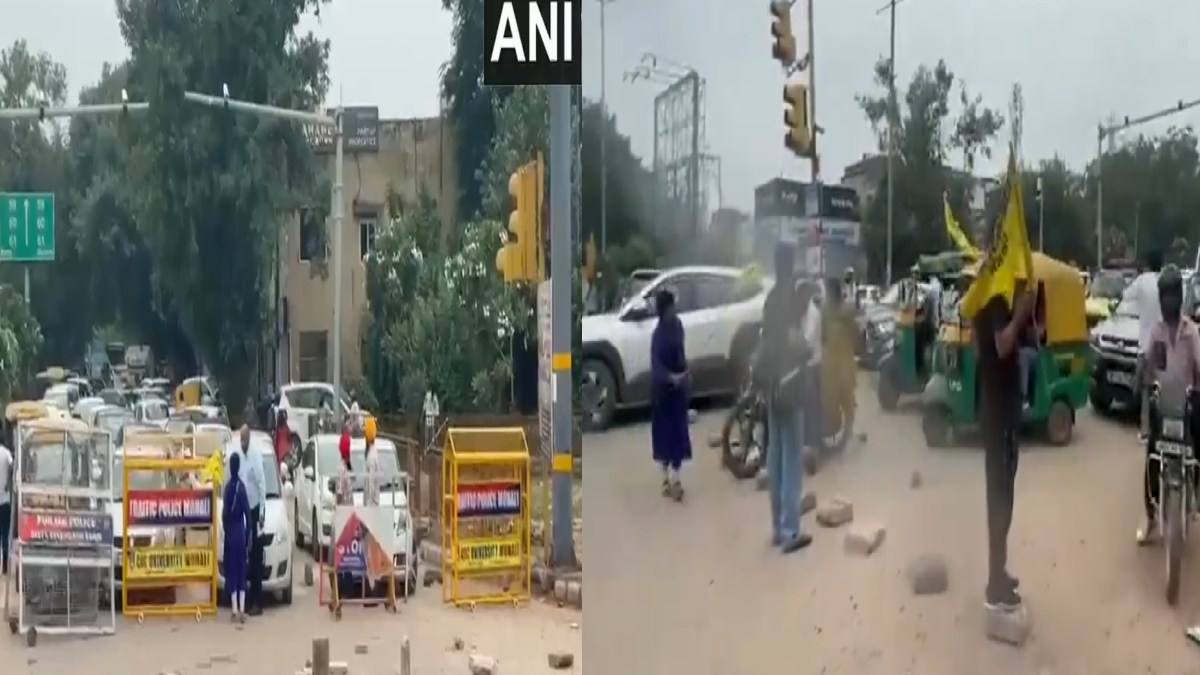
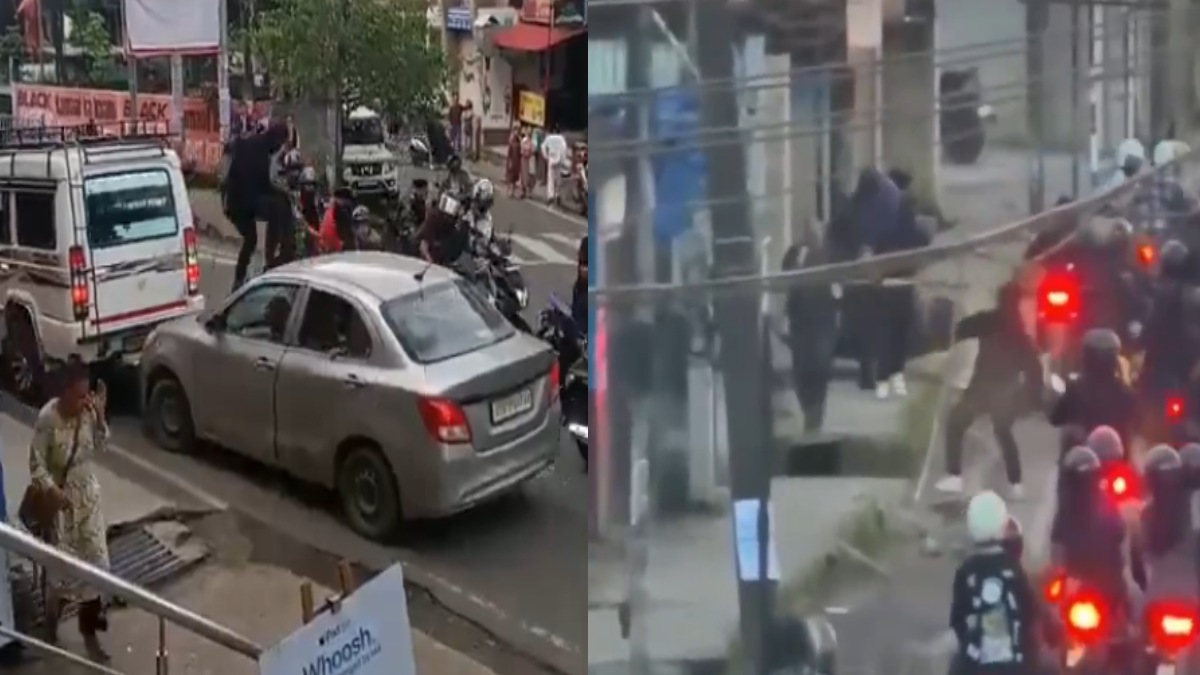
A team from Citizens for Justice and Peace (CJP) faced strong opposition from residents during a visit to a school in Rajasthan and the group was attacked and chased away from the school, the NGO said. Residents at the school protested the group’s plan to meet up with them and were also seen as “terrorists” and “Naxals,” the group said.
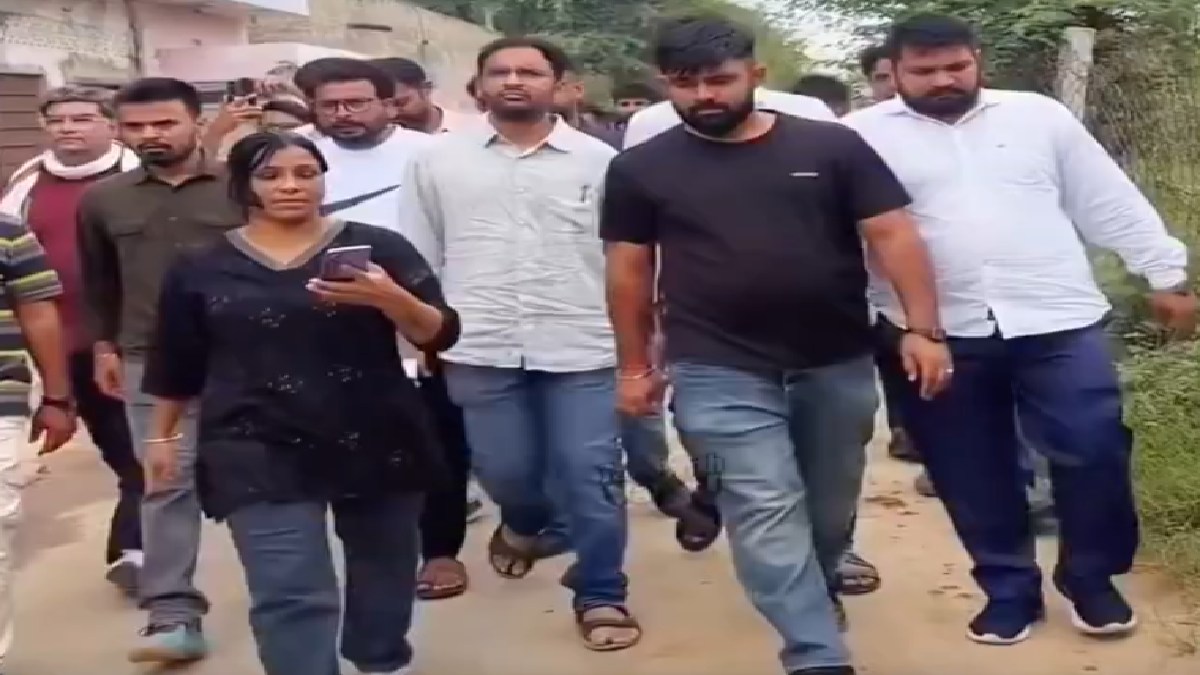
The CJP team had visited the Rajasthan village as part of a school-based initiative to engage the community with the CJP team, said local media. But the visit quickly turned tense as some village inhabitants challenged the team’s presence and purpose.
It is said that the villagers used strong language in front of the visitors, including accusations of “terrorists” and “Naxals.” The team had to leave the area, the newspaper reported. The visit was considered a “confrontational one,” but the reason behind the villagers’ opposition has not been clear.
The episode suggests the problems that organisations and civil society organisations have in carrying out outreach activities in rural areas, and particularly in rural areas where the presence or goals of those working there are not generally known by local communities. School visits are sensitive and disputes over who is allowed to enter schools can result in confrontation.
The precise reasons for the villagers’ reaction are still an important part of the controversy. Local residents were suspicious of the team and objected to its activities at the school. However, the allegations made against the CJP members are serious and claims describing individuals or organisations as linked to terrorism or Naxalism need evidence and verification.
A bigger question is around the communication the outside community is having with the local communities. When a group enters a village for an educational or social initiative, local engagement and coordination with school authorities and local representatives is crucial. A lack of clarity on the purpose of a visit may contribute to suspicion or opposition.
Schools are especially sensitive spaces as activities involving students generally require coordination with school authorities and, where necessary, local administrative officials. So a school visit can quickly turn into a larger public dispute.
Rajasthan's reported confrontation is part of a larger debate on civil society organisations’ role in education, social awareness and community outreach. Independent organisations can help to inform and help students in the classroom and to get information and perspectives beyond the classroom, they say, and are often supported by the public. But critics might question the motivation, techniques or authorisation of organisations which do so.
Now, the report is mainly about the CJP team's confrontational encounter with the villagers and the departure of the visitors. If there were more statements by the organisation, school authorities, local administration or police concerning the situation and whether any official complaint or investigation came in, you could be more clear on what happened.
The use of words like “terrorists” and “Naxals” has added to the situation. Such accusations can have serious consequences and hence should be treated differently than the verified findings. The allegations should, until authorities or credible investigations establish otherwise, be treated as claims made during the confrontation, not facts.
CJP Team Attacked 🛑
While curating an Inspection at a School in Rajasthan, Team CJP was attacked by Local People.
Those unidentified people threw stones over the Cars of CJPians, broke the glass doors & were physically assaulted.
No Casualties were reported so far.
But Why ?What the F is happening in Rajasthan?????
— Abhijeet Dipke (@abhijeet_dipke) August 21, 2026
Goons of BJP are after the blood of Ashutosh and other CJP volunteers.
How can @PoliceRajasthan allow this kind of attack? pic.twitter.com/F3kdPwS4kD
But the incident has opened the door for organizations to do activities in communities where residents may be wary of strangers. Schools and children should also be transparent and have time to plan and talk and the programme should be integrated with schools and kids.
When the details come out, the response from the CJP team and the Rajasthan authorities will determine how the incident is viewed and whether any further action is taken over the reported confrontation.