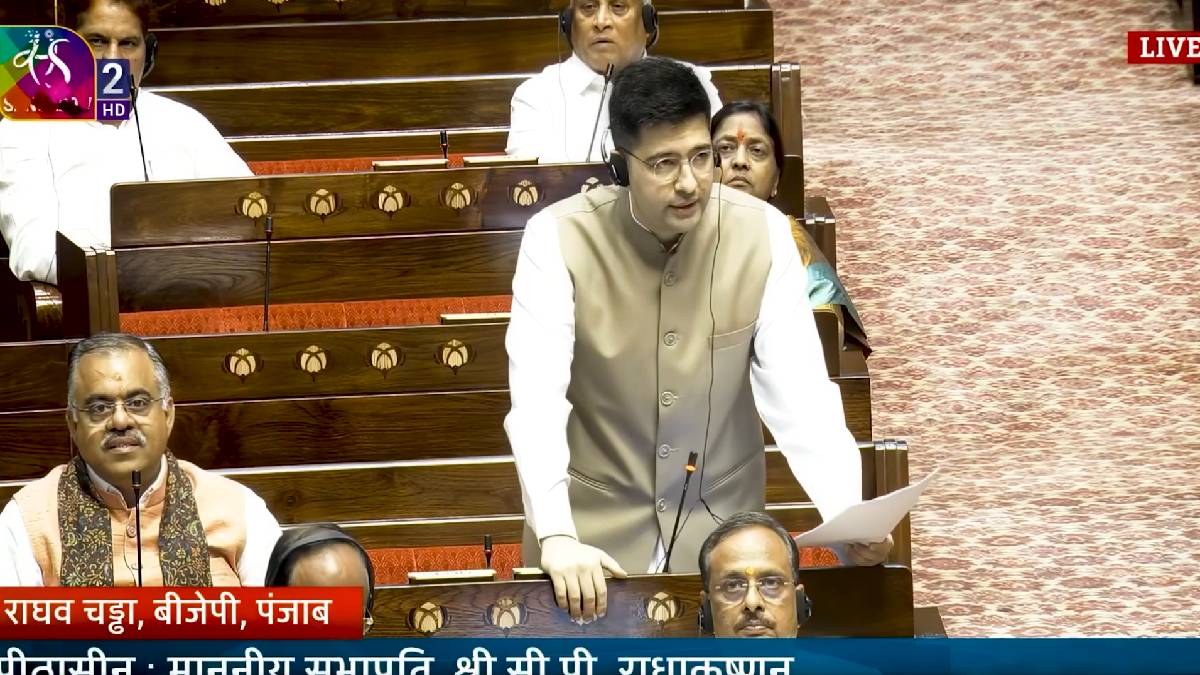
On 18 March 2026, MP Raghav Chadha made an important issue into Rajya Sabha debate. He disclosed that over the past three years, banks have taken ₹19,000 crore in fines not from rich Indians but the very ordinary people - farmers, pensioners - and workers of the daily wage. Chadha called this type of pickpocketing “legalized pickpocketing” and called upon the government to repeal the minimum balance penalty. His talk has sparked public debate about equity and dignity in India’s banking system.
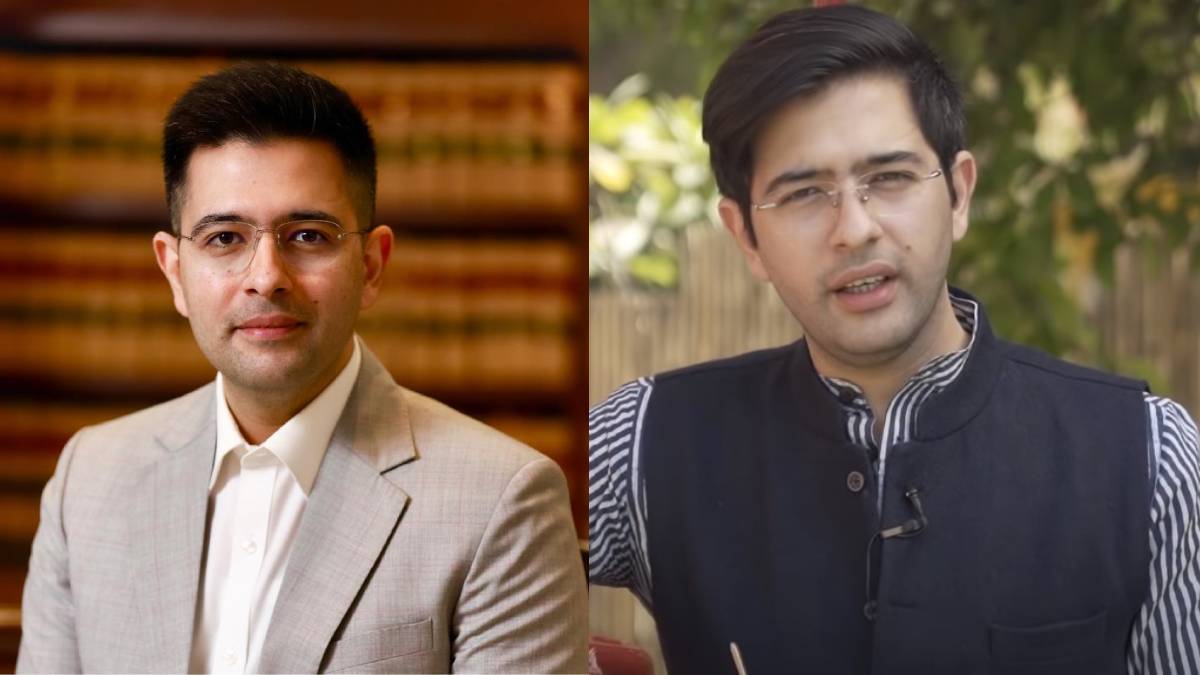
Chadha said these penalties happen when account holders do not keep their minimum balance. As much as they may seem small to the wealthy, these figures are huge for marginalized groups who may be living paycheck to paycheck. He contended that penalizing the poor as a result of withdrawing their own money would be unfair and is considered a threat to the ideal of financial inclusion.
India has touted schemes such as Jan Dhan Yojana to boost savings and draw millions into the banking system. But Chadha noted that the minimum balance rules weaken such efforts. Farmers often take out funds for seeds or emergencies, pensioners rely on small monthly deposits, and daily wage earners operate in a hand‑to‑mouth economy. They take penalties as more than a financial burden, as assaults on dignity.
The Numbers
- ₹19,000 crore collected as penalties in three years.
- Stakeholders: Farmers, pensioners, daily wage workers.
- Impact: Declining trust in banks and discouragement of saving.
Chadha’s remarks resonated with many lawmakers and civil society groups. It would require a system change, they agreed, in order to protect vulnerable citizens. While banks benefit financially from these charges, the practice “degrades public trust” and challenges the government’s objective of inclusive banking, analysts remarked.
The banking industry in India has been criticized for placing profitability above fairness. Minimum balance penalties are one way that the rules have the potential to hurt those least able to pay for them. Chadha’s intervention underscores the urgency for reforms that offer discipline but balance it with compassion.
Raghav Chadha’s pleas to eliminate minimum balance penalties go beyond financial matters; they are about fairness and dignity. By bringing this to Parliament, he has allowed millions of average Indians to speak out against these rules that are being observed in silence. The question is now if government and banking agencies will correct the system and make banking truly serve the common people.