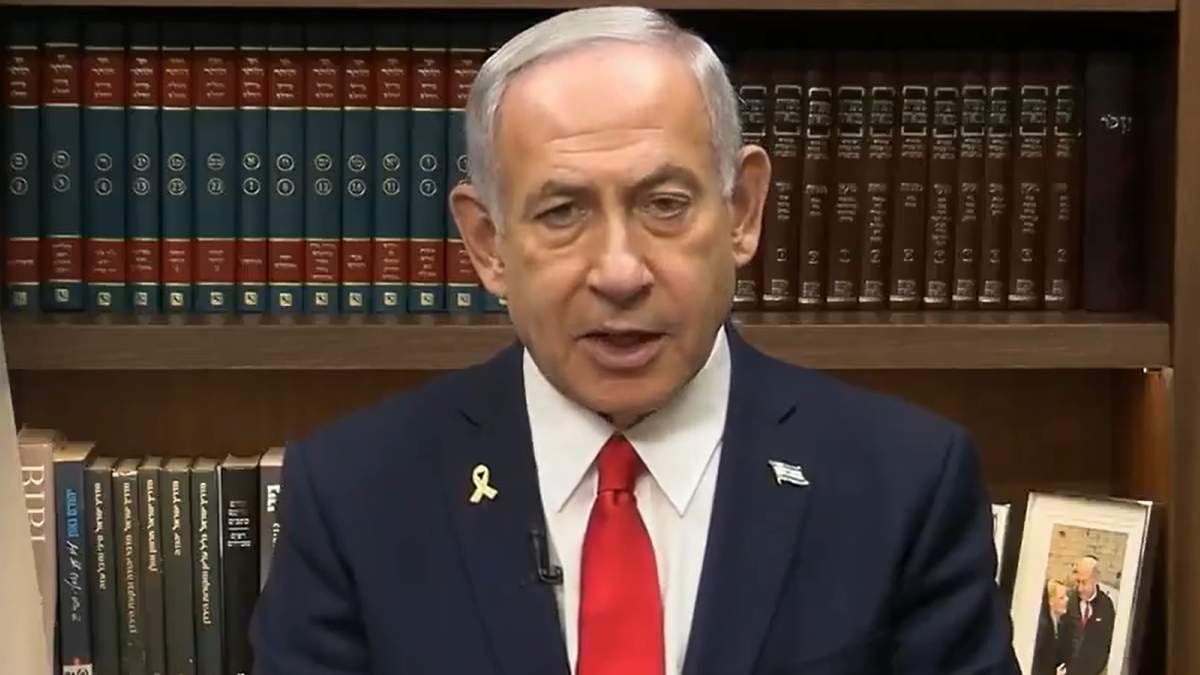
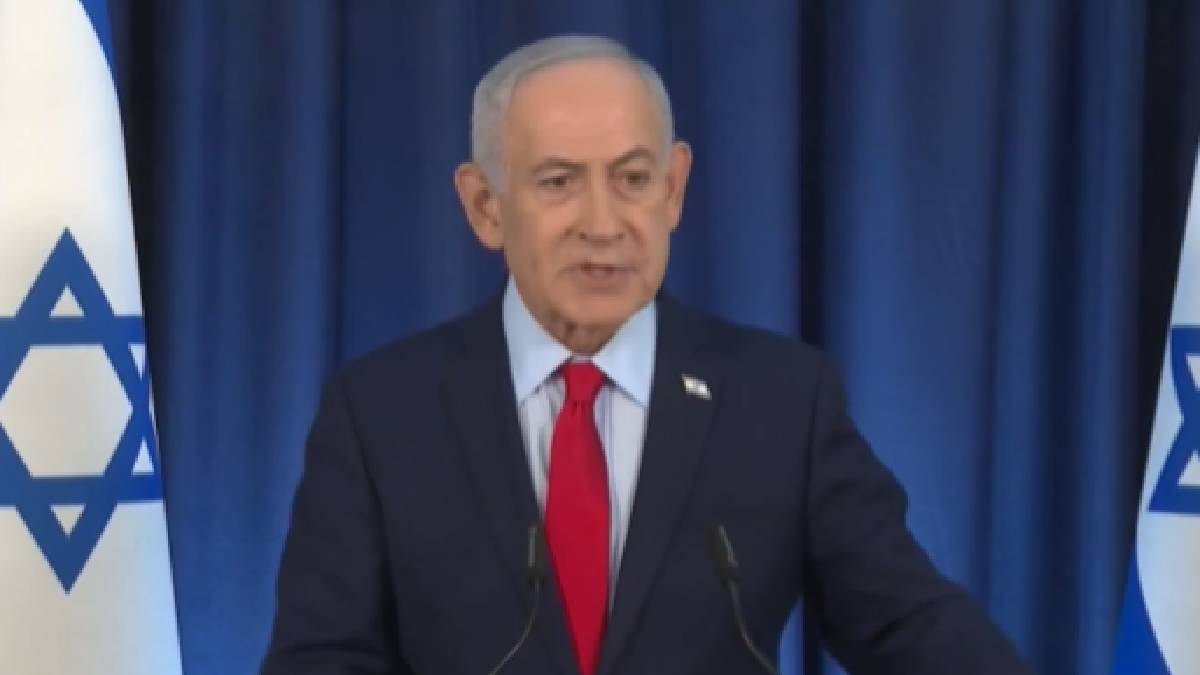
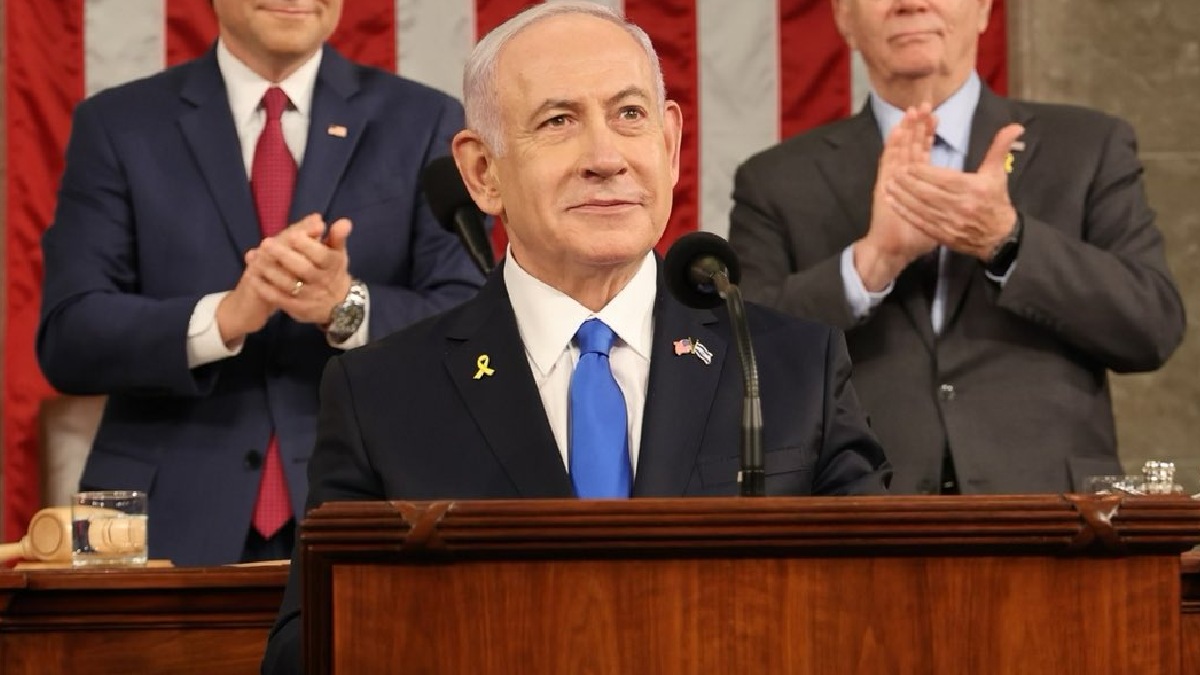
After months, the prime minister of Israel, Benjamin Netanyahu, was taken to the hospital for treatment related to prostate cancer, amid renewed fears about his physical fitness in the face of constant challenges for political stability and security in Israel.
Netanyahu was hospitalised after he got sick and reportedly met with doctors for medical advice about the matter. The Prime Minister’s Office said in the news release that he is stable, but there are no details on the reason for the doctor’s appointment.
The Israeli leader had said earlier this week that he was receiving treatment for prostate-related medical conditions, and thereafter his health has been closely monitored both publicly and politically.
Netanyahu, one of Israel’s longest-serving prime ministers, has kept his high profile, keeping months full of heavy political commitments despite his medical complications. Officials who knew how the operation was being carried out said the latest inpatient hospitalisation was precautionary.
Doctors are conducting other tests now to check whether he has recovered and has not deteriorated since he was hospitalised earlier. Response: The news sent shock waves through Israel’s political landscape, as supporters urged the Prime Minister to return, and opposition figures addressed the issue. Social media became a hotspot for posts from citizens and politicians; foreign observers also shared accounts of his hospital visits.

There is a higher focus on Netanyahu’s health than there has ever been in Israeli politics, particularly given how far we have come in grappling with the present situation in Israel: the tensions between the country on one side and Palestine on the other are persistent, and there are many mysteries. Israel remains grappling with security woes, diplomatic strife and domestic political friction that have turned the Prime Minister’s physical state into a national problem.
Netanyahu’s long-term health issue could also shape broader government and policy trajectories in Israel, one of the political analysts said. However, officials maintain that the government operations are undisturbed, and the prime minister is involved in big decisions.
Netanyahu has occupied such a role for years, which has created the image of political toughness, robustness, and also leadership with a resolute resolve. Although a history of medical procedures and medical scares had also plagued public institutions in the past, the prime minister has been getting back into his duties of public service and attending the country's most important official meetings.
But regular health status updates have broadened the level of public scrutiny about just how open national leaders can be about health. No announcements have yet surfaced whether meetings, public appearances or diplomatic visits have been postponed in the days after the stay, at least according to the Prime Minister's Office. His health status will provide additional information only once doctors are finished with their evaluations.