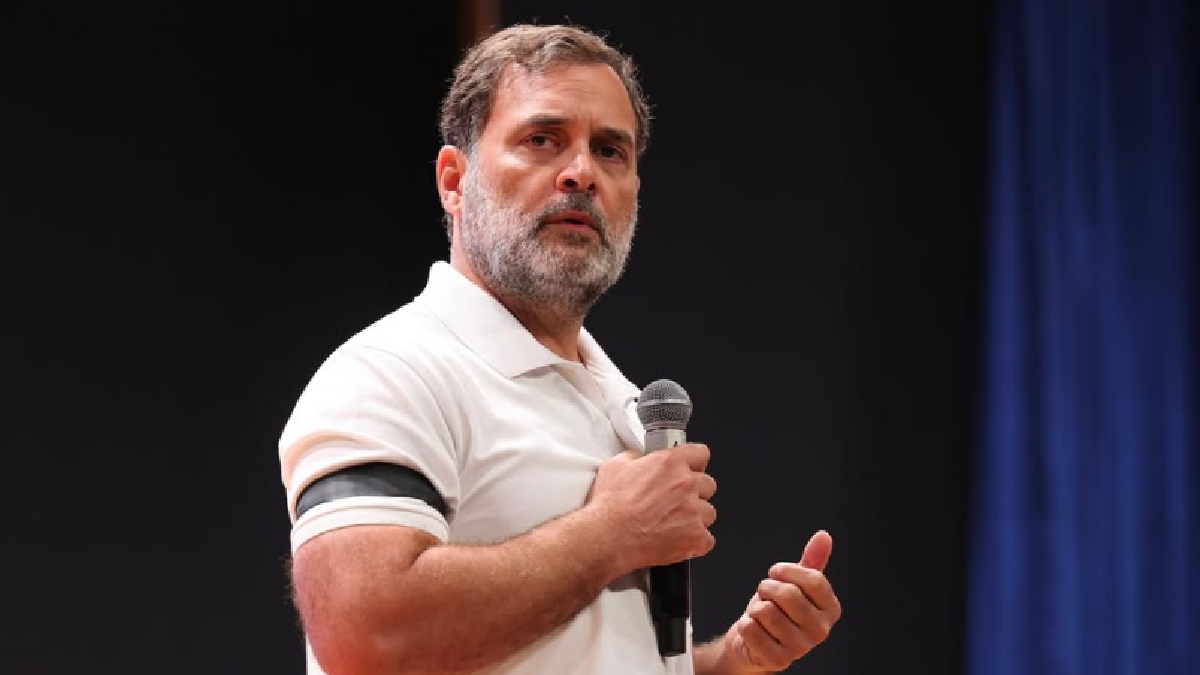
A political celebration in Varanasi has suddenly triggered an entire conversation in India that goes beyond party lines and it goes into religion, public sentiment and even food wastage.
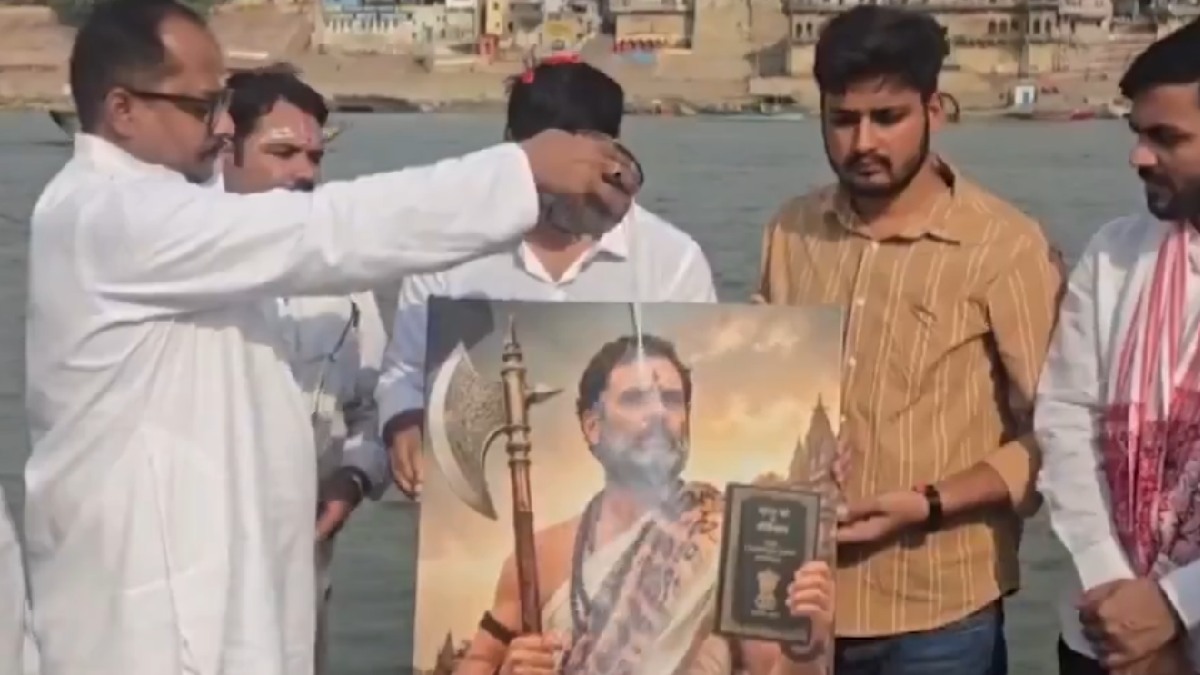
The controversy started when Congress workers wearing white kurtas and saffron scarves performed a symbolic abhishek for Rahul Gandhi using milk and Ganga water. The event was held in Prime Minister Narendra Modi’s parliamentary constituency and was intended to portray Gandhi as a defender of dharma and the Constitution. Workers chanted slogans, performed rituals and even cut a laddoo-shaped cake near temple structures.
Supporters saw the event as a tribute to Gandhi’s political position and commitment to constitutional values; critics did not see it that way.
यूथ कांग्रेस कार्यकर्ताओं ने राहुल गांधी का जन्मदिन मनाया। राहुल के पोस्टर पर दूध और गंगाजल चढ़ाया। एक हाथ में फरसा और दूसरे हाथ में संविधान की किताब है। भगवान परशुराम जैसा रूप दिया गया है।
— Sachin Gupta (@Sachingupta) June 19, 2026
📍वाराणसी, यूपी pic.twitter.com/rKkaPCOdLc
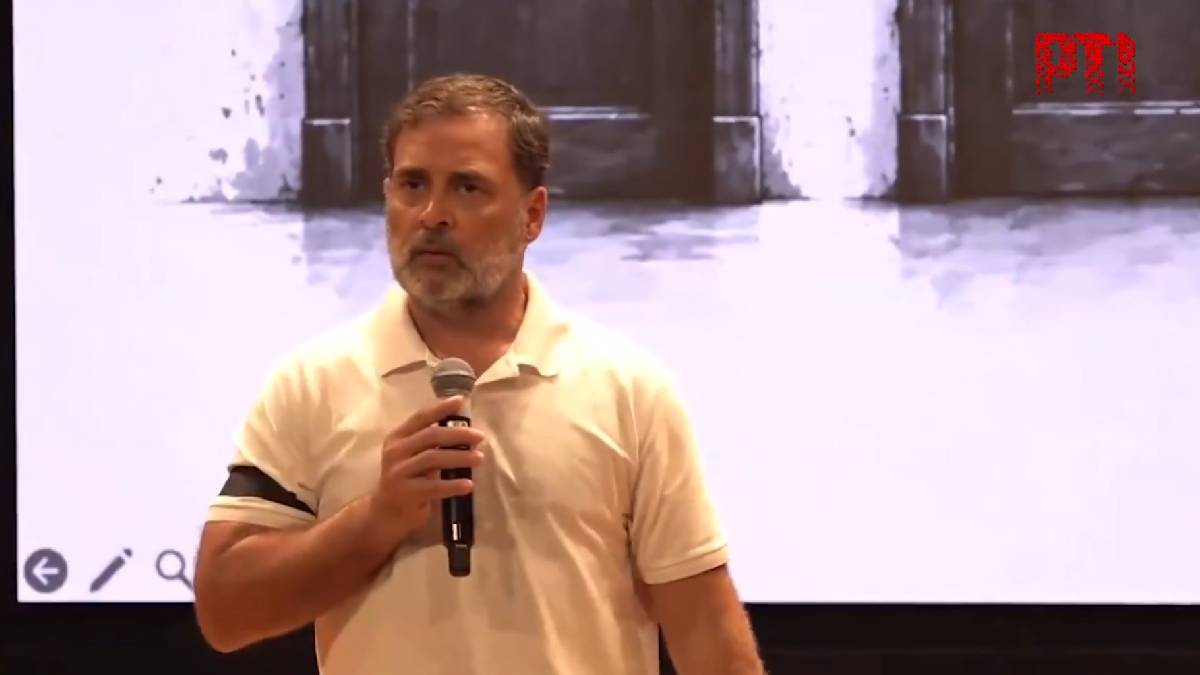
Many social media users felt that comparing a living political leader with figures from Hindu mythology and Parashurama in particular is bad manners and wrong. For them, religious symbols and holy figures should not be included in the political rivalry and electoral messaging. Some felt such acts hurt religious sentiments and reduced sacred traditions to political theatre.
But others were quick to point out what they saw as a double standard in the public discourse. They said that such symbolic acts of leaders of the BJP or of Modi supporters get less scrutiny from certain sections of society. This led to another debate: Is public outrage determined by the act itself, or who does it?
Even in the midst of the political arguments, a third and perhaps more important discussion began gaining traction online.
Many neutral observers questioned the use of milk and food items in political and religious ceremonies as millions of Indians are still struggling with rising living costs. With food inflation eating into household budgets and many families finding essentials increasingly expensive, some wondered if such displays send the right message.
The criticism was not directed at one party. Instead, they pointed to a broader trend that is visible across India’s political spectrum. Whether it is milk poured during rituals, large food offerings at political events or large-scale celebratory feasts, concerns about wastage surface repeatedly.
Supporters of such rituals often say that offerings are part of long-standing religious and cultural traditions. They say they are expressions of faith rather than waste. But others say that symbolic devotion to them needs to be balanced with social responsibility in a country where many people still have food insecurity.
The debate ultimately speaks to a larger problem of modern India: How should faith, politics and public resources mix in a society that is deeply religious and deeply unequal?
The Rahul Gandhi ritual might have taken a little while, but the conversation that it triggered is unlikely to end anytime soon. And it has forced many Indians to question what really deserves celebration, what respect for faith deserves and how public displays of devotion should be developed in a country where economic realities still feel like a daily struggle for millions.