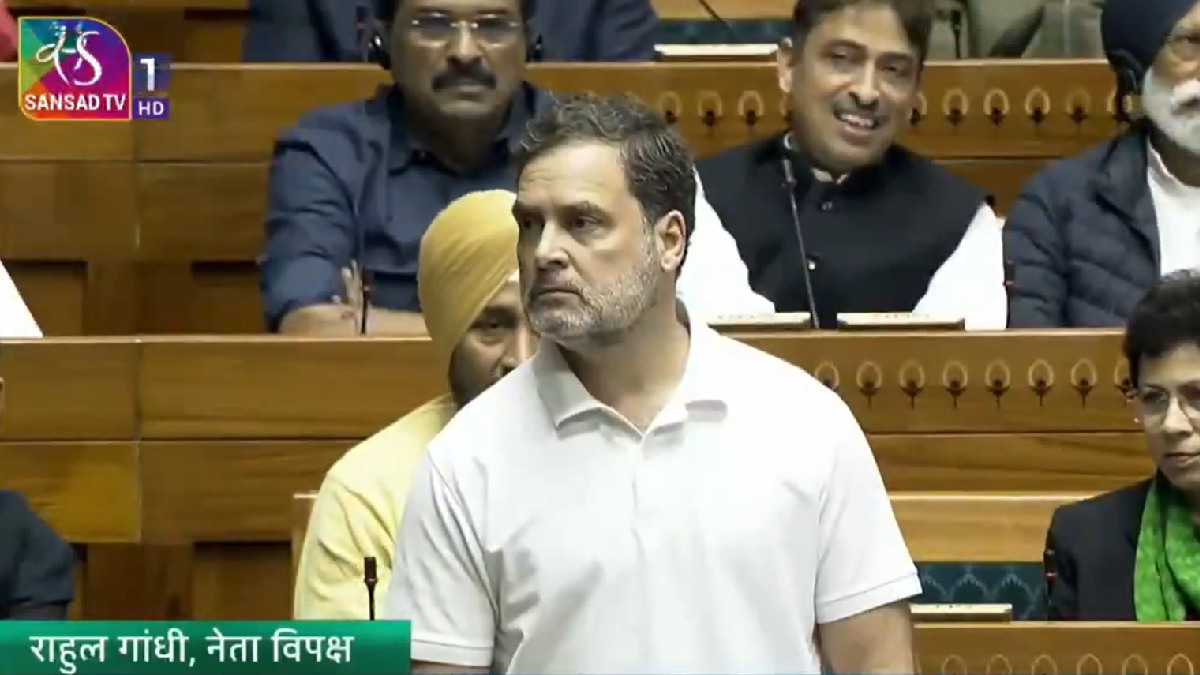
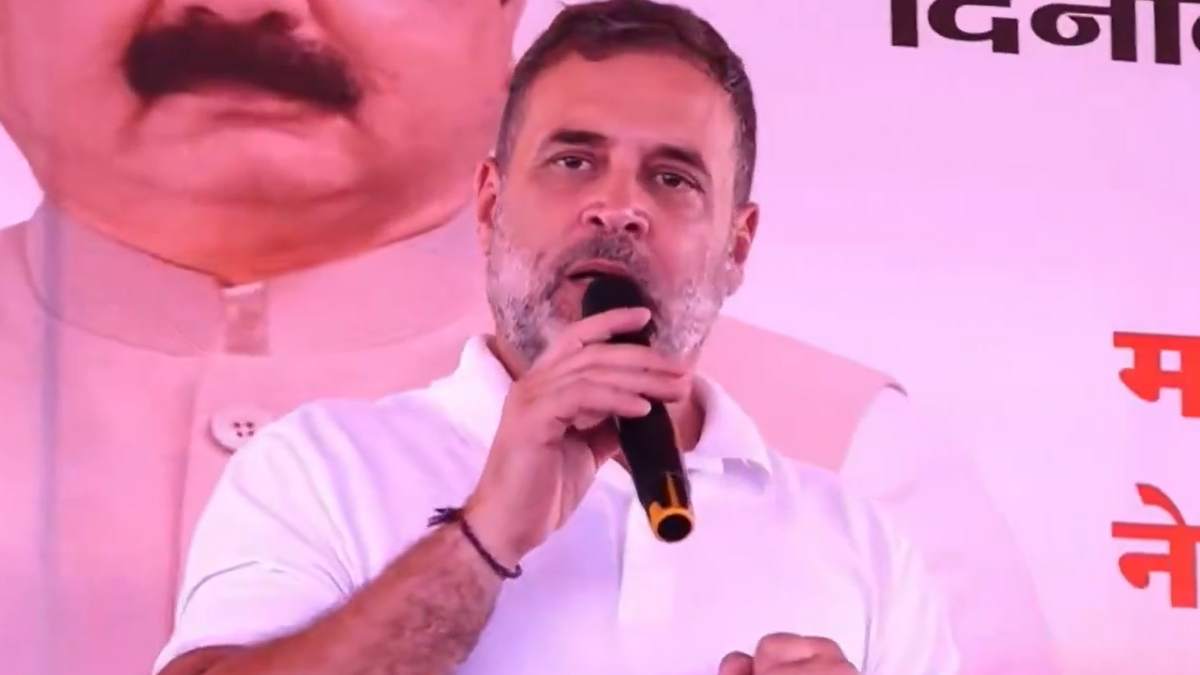
Congress leader and Leader of Opposition in Lok Sabha Rahul Gandhi has launched an angry assault on the Narendra Modi government for not addressing issues of students and young people’s anger in recent months over the lack of transparency and accountability of the Centre and the government. Gandhi claimed that the growing protests in India are only the manifestation of a much deeper crisis of trust between India’s youth and the government.
In a The Hindu article in which Gandhi claimed that students are “either culpable or incompetent,” he told students’ concerns cannot be reduced to one examination, recruitment process or protest. The anger on campuses and streets is the manifestation of millions of young Indians who are demanding more fairness, transparency and accountability in competitive exams and government recruitment, he said.
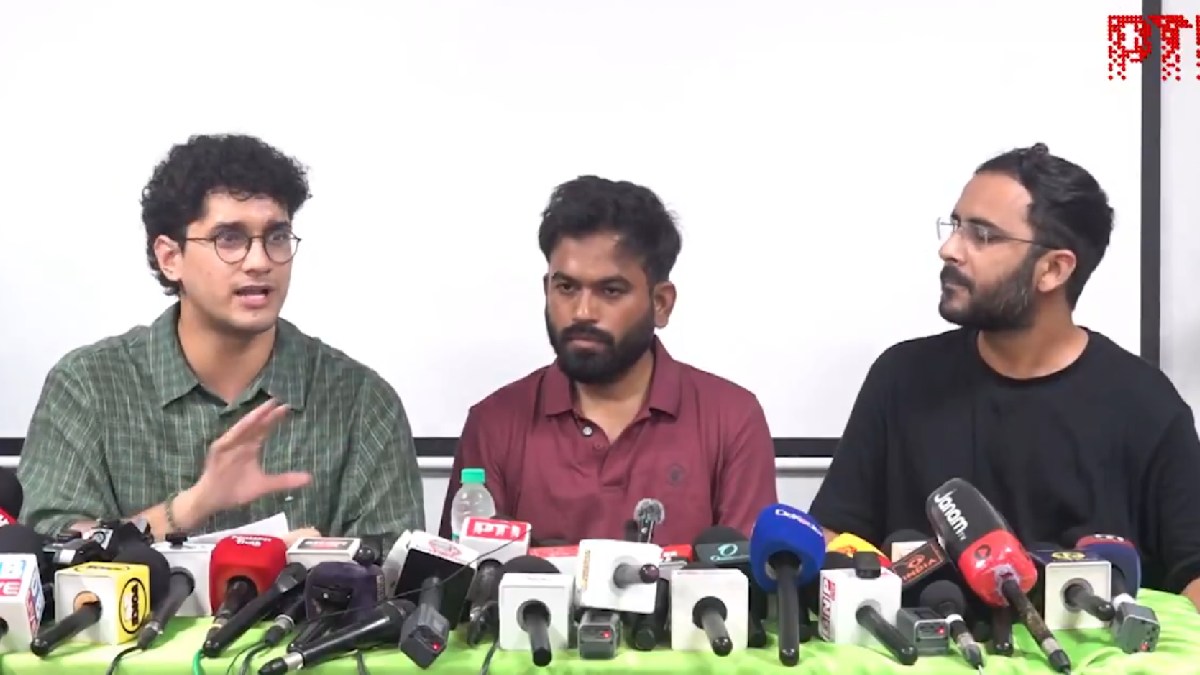
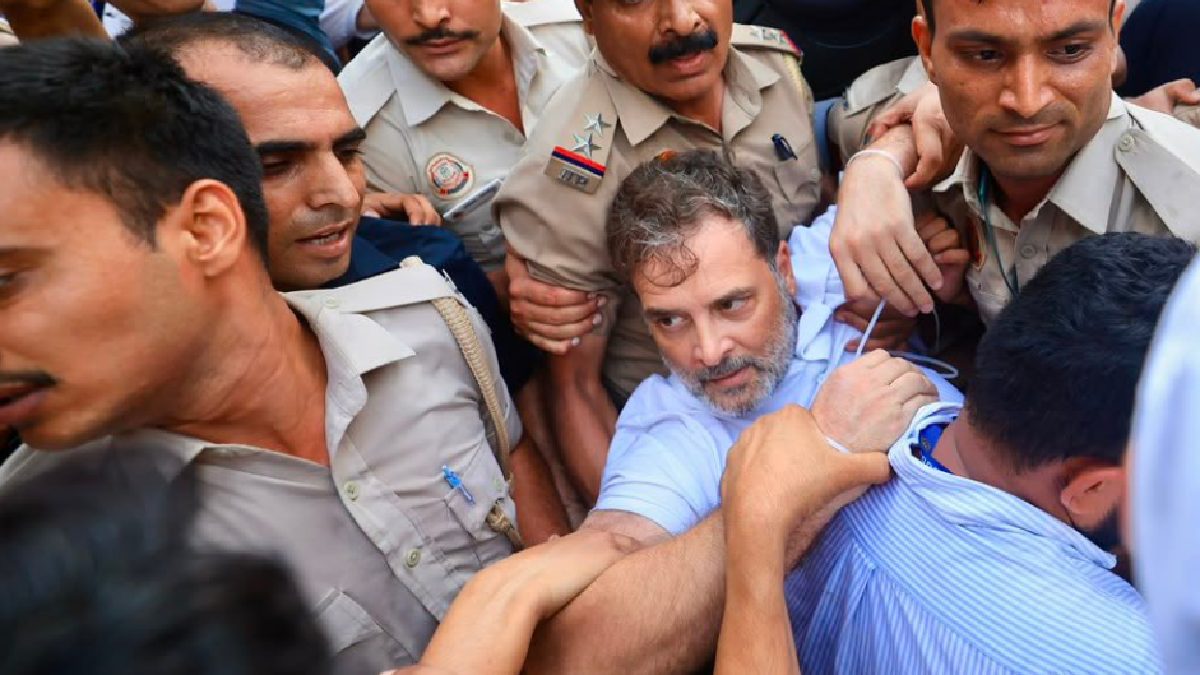
Gandhi criticized Modi’s government’s handling of student protests and said the administration had gone through force rather than addressing the underlying anger. He also pointed out the reported police actions against protesters, that students who raise questions about their future should not be treated as a threat.
“A government that fears questions from its youth has already lost moral authority,” Gandhi wrote, highlighting what he described as an increasing disconnect between the government and the aspirations of young Indians.
The Congress leader's criticism comes at a time of increased political interest in student protests and allegations of procedural flaws in examinations and recruitment processes. For millions of aspirants who hope to get government jobs and other competitive exams, delays, alleged paper leaks, disputed results and questions about examination procedures can have major effects on candidates for which they have already spent years preparing for relatively modest opportunities and their time is a lot more valuable.
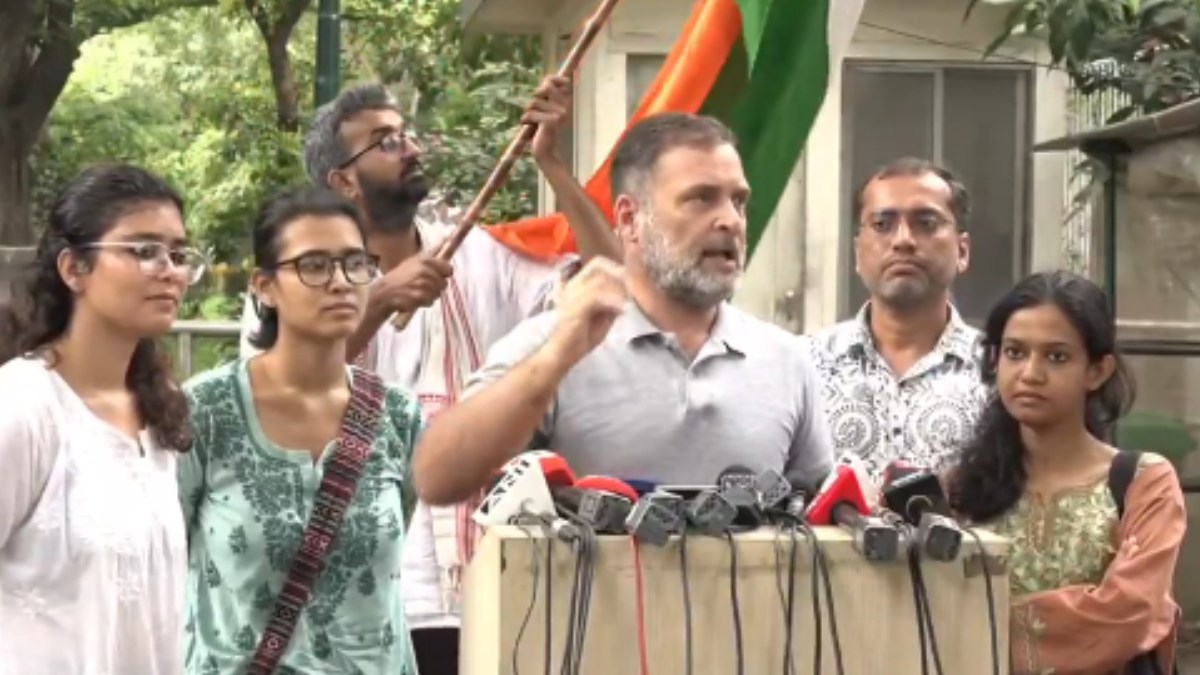
Gandhi said the government’s responsibility is not only to announce investigations when controversies emerge. He asked the government what it would do if it was prepared to take responsibility for the difficulties faced by students and aspirants and demanded that those who conduct the examinations and recruit people be held accountable.
In one of his strongest political attacks on the Prime Minister, Gandhi directly addressed Narendra Modi and Union Home Minister Amit Shah. He wrote that young people across the country had “awakened” and claimed that the political consequences of the government's actions would not be avoided.
Gandhi also alleged that the Prime Minister's political image was already badly damaged among young people. The Opposition will stand with protesting students and will keep raising their concerns, he said. His comments suggest that the Congress intends to make youth issues, examination reforms and alleged recruitment irregularities a major part of its political campaign against the BJP.
The comments also add another layer to the ongoing political battle between the Congress and BJP. Student protests can quickly become politically significant because India's young population represents a large part of the electorate. Issues of employment, competitive examinations, recruitment transparency and educational opportunities have the potential to influence public opinion well beyond university and coaching-centre campuses.
But the BJP has rejected allegations that the government is intentionally suppressing genuine student concerns. Ruling party leaders have argued it is the Congress that is trying to use student unrest for political ends, and the issue of examination-related disputes as part of a political fight.
The government and its supporters have maintained that examination irregularities are being investigated and action is taken wherever wrongdoing is proven. These matters should be investigated through legal and administrative mechanisms, the BJP says, rather than provoke political unrest.
The contradictory positions have fueled a wider debate on how governments should respond when students and examination candidates take to the streets. Protests for answers and accountability are to be taken to protest but also to get them to understand the value of the law and not dismiss legitimate dissent and to not tolerate dissent.
Gandhi’s comments, for the Congress, are a chance to frame the student movement as part of a larger demand for institutional accountability. He is attempting to connect examination-related grievances to broader issues of employment, governance and trust by placing youth concerns at the heart of his criticisms of Modi.
The impact of the protests in politics will largely depend on how the government addresses the concerns of students and whether allegations of cheating and what kind of evidence about alleged irregularities and its investigations are credible and timely. But for youth aspirants, the fundamental problem remains about their education, careers and confidence in the systems that shape their future.
Gandhi’s warning that “young people across the country have awakened” is a clear manifestation of not just another political attack, but an attempt by the Opposition to make growing student discontent a bigger national political issue. With both the government and Opposition sharpening their positions, youth-related issues will remain the center of India’s political debate in the coming days and weeks.