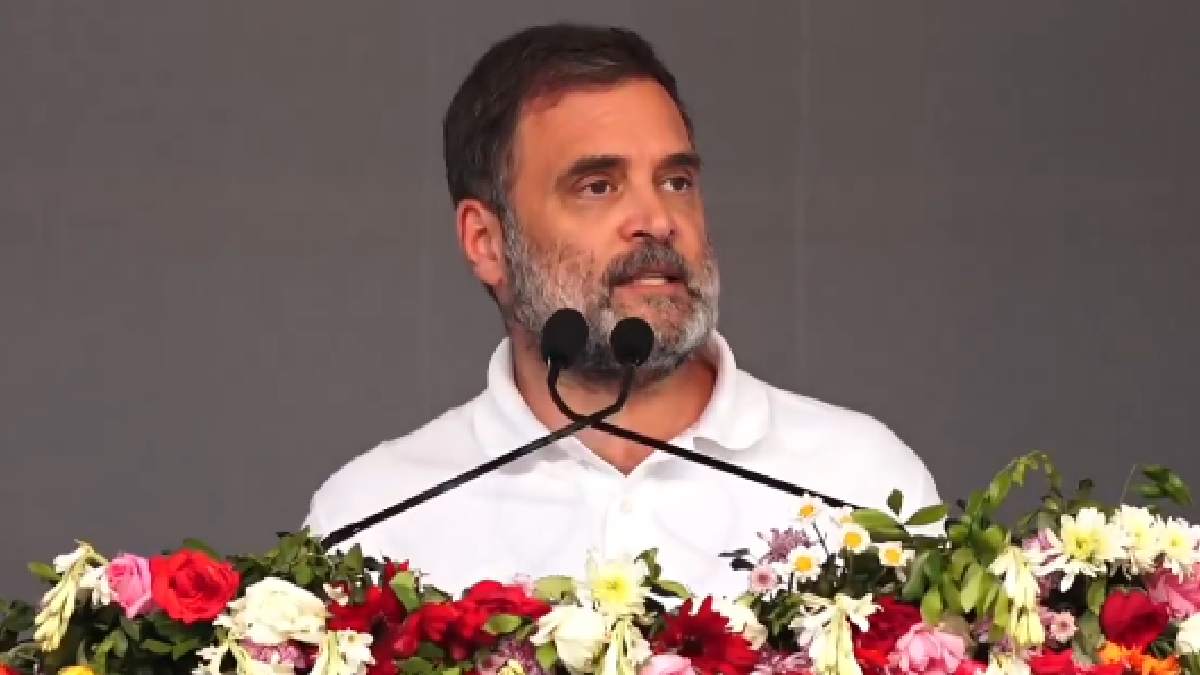
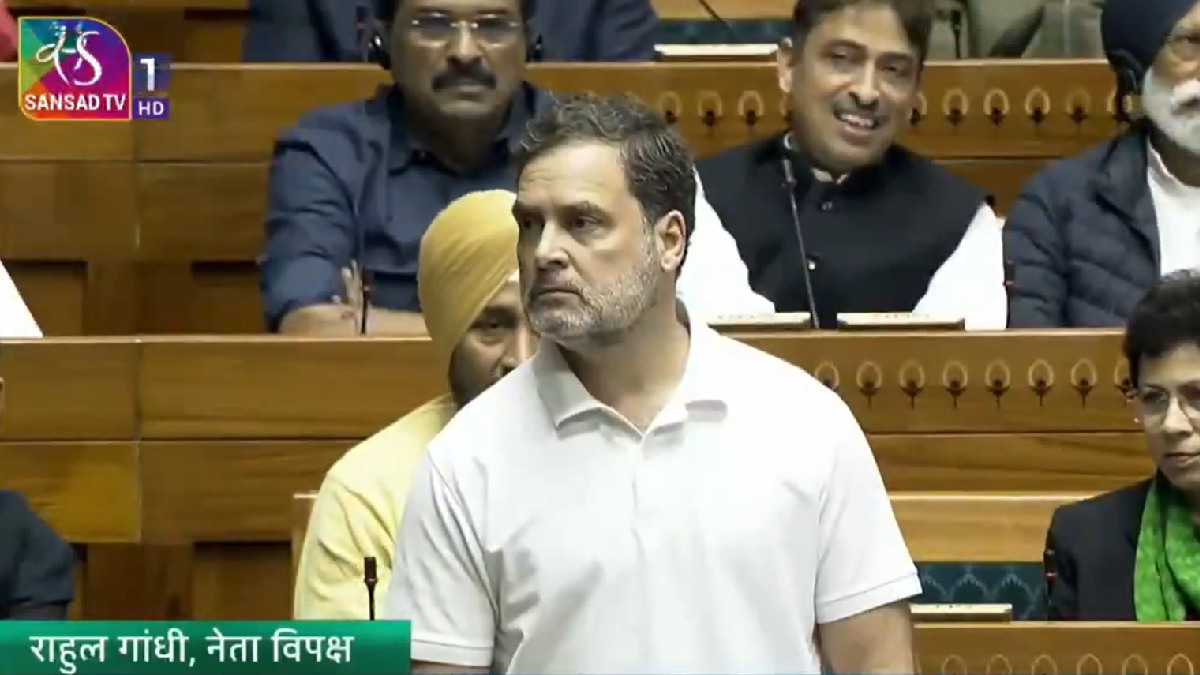
In one of the 2026 Budget Session’s most confrontational speeches, Rahul Gandhi accused the Prime Minister of capitulating to international pressure to seal a “one-sided” trade deal with the U.S. government. The deal, also concluded in a phone call between PM Modi and President Donald Trump, essentially confers a veto on India's energy and data sovereignty on Washington, the Congress leader claimed.
‘Now the US Decides Our Oil’
A key point of contention for Gandhi was India’s stated commitment to cease Russian oil imports in return for lower U.S. tariffs (from 25% to 18%).
“Now the US will decide who we buy oil from, not our Prime Minister. You have also dented India’s negotiating leverage. Are you not ashamed of selling India?” Gandhi said, gesturing toward the treasury benches.
The ‘Data is Petrol’ Argument
The LoP stressed that Indian data is the most valuable asset the country possessed in the time of Artificial Intelligence, which the government had supposedly handed over too cheaply.
- The Claim: Gandhi charged that the trade agreement removes data localization and source code disclosure mandates.
- The Quote: "Talking about AI is like talking about an engine without petrol. Petrol for AI is data. The key to that, if the Americans want to stay a superpower, is Indian data. You are exchanging the wisdom of our people for a few headlines."
Impact on Farmers and Textiles
Gandhi also argued that the agreement will open the floodgates for American agricultural products, which will “crush” Indian farmers. India’s tariffs are now largely at zero, but the U.S. still imposes an 18% reciprocal tariff on Indian textiles and garments, which he said has “finished” the sector’s competitive edge.

Government’s Counter-Attack
The treasury benches erupted in protest during the speech. Parliamentary Affairs Minister Kiren Rijiju and BJP MP Anurag Thakur dismissed the allegations as "anti-India rhetoric." They contended that the deal lowered the crippling 50% tariffs Trump had once threatened, giving Indian exporters a considerable competitive advantage over rivals such as China.