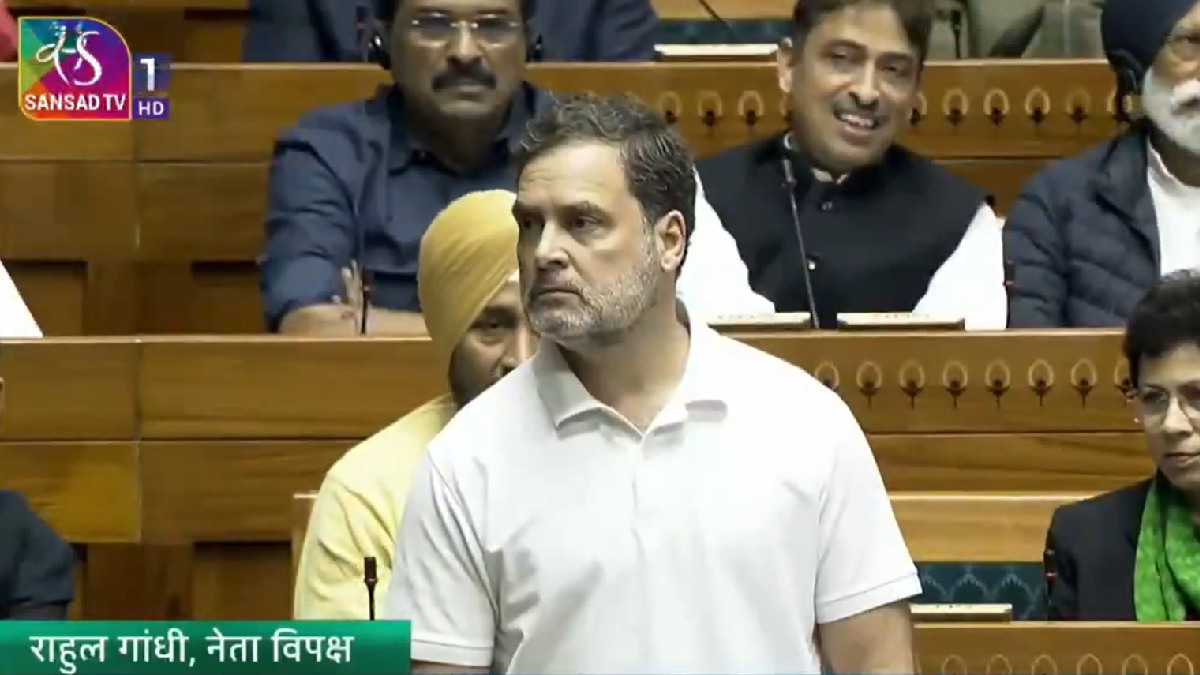
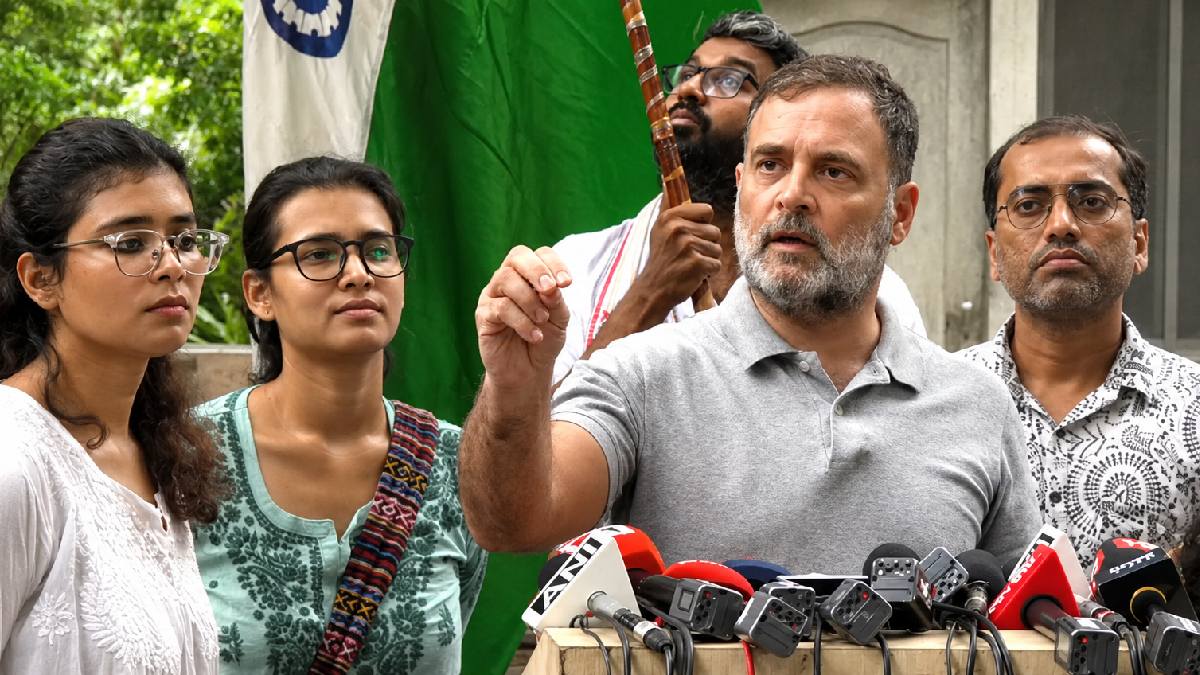
Rahul Gandhi, Congress leader, has revived calls for women’s reservation in India, but without conditions that might delay its implementation.
That’s a long standing issue in politics with respect to representation and participation of women in the country’s legislative system.
Women’s reservation has been discussed for decades as a way to increase the presence of women in elected bodies. The constitution provided for reservation in Lok Sabha and state legislative assemblies through the Women’s Reservation Bill Nari Shakti Vandan Adhiniyam.
Gandhi’s new position is about moving from legislation to implementation. And his demand comes as the debate continues about when reserved seats for women in Parliament and state assemblies will be introduced.
Demand for Faster Implementation
Reservation law provides for a 33% quota for women in Lok Sabha and state legislative assemblies. However, it is linked to completion of census and subsequent delimitation exercise.
One of the sources of political discord is this. Opposition parties, such as the Congress, have argued that women should not have to wait for more and more administrative work to happen before they will be able to have a seat in government or in the parliament.
Gandhi has insisted that women’s representation should be strengthened without any conditions that could delay the process. That demand is part of a wider opposition argument for making the reservation effective as soon as possible.
Why Women’s Representation Matters
Women make up nearly half of India's population, but their representation in legislative bodies has historically been far lower than their share of the population.
And for those who believe that increasing the number of women legislators will bring more diverse perspectives on policymaking, more reservation is in their favor. Healthcare, education, safety, employment, childcare and social welfare may be a more representative issue if more women are involved in decisions.
At the same time, supporters of the constitutional law have said it can be interpreted as a step to close the gender gap in Indian politics as a whole and is a step towards addressing decades of gender inequality.
Census and Delimitation Debate
The implementation has generated a lot of discussion because reservation is expected to take place after census and delimitation processes under the constitutional direction.
They say that waiting for these exercises could push the actual implementation further into the future. They think the reservation should be implemented earlier to give women the chance to get more representation without waiting for years to get there.
In the meantime, the government has defended the legal framework and the process on how to implement reservation.
A Continuing Political Issue
Rahul Gandhi’s demand keeps women’s political representation at the centre of the national conversation. And the issue is not just that women should have more representation but when and under what conditions the promised reservation should be carried out.
As political parties prepare for the elections and legislative debates of the future, women’s reservation is likely to remain an issue.