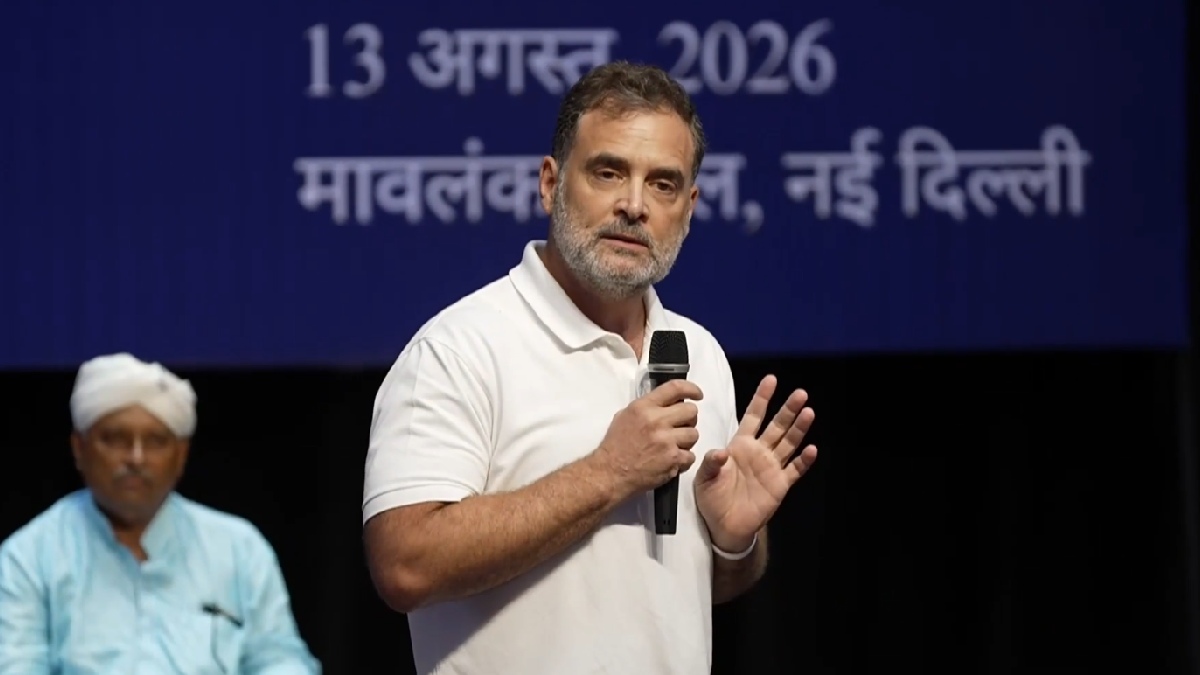
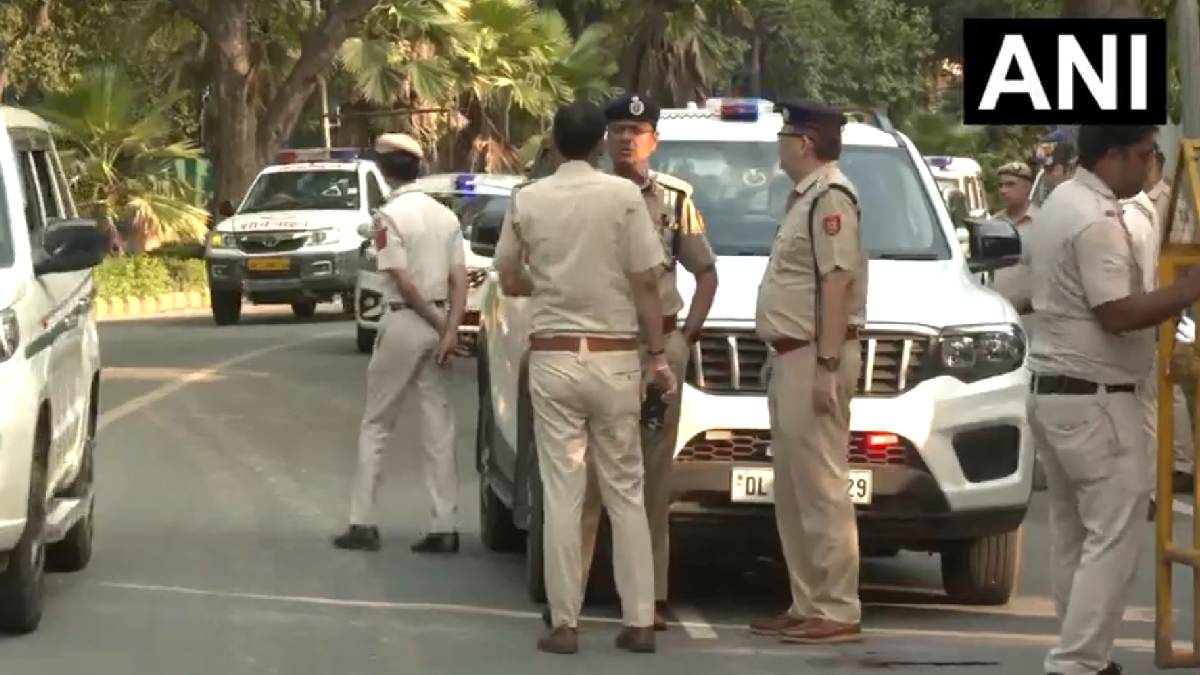
Congress MP Rahul Gandhi has raised fresh concerns about the India-China border situation, with Chinese troops preventing Indian Army personnel from patrolling in some of the areas of Arunachal Pradesh, he said. Calling the alleged restrictions “extremely alarming,” Gandhi also questioned the silence of the Narendra Modi government and accused the government of trying to pressure the media to keep it from taking steps to bring the problem to the public’s attention.
Gandhi on X attacked Prime Minister Modi, Defence Minister Rajnath Singh and Home Minister Amit Shah for what he said was the response of the government to the alleged developments along the Line of Actual Control (LAC). He said the reported restrictions on Indian patrolling needed a clear explanation because Arunachal Pradesh is the most sensitive region of the India-China border.
The Congress leader also spoke of the political controversy surrounding the 2020 Galwan Valley clash. He recalled the Prime Minister’s assurance that China hadn’t taken “even an inch” of Indian territory after the deadly clash.
Gandhi has also frequently used the border issue to question the government’s treatment of relations with Beijing, saying national security should be considered above political messaging and image management.
The latest allegations came after the People’s Party of Arunachal (PPA) said that Indian Army and Indo-Tibetan Border Police (ITBP) personnel were being restricted in some traditional patrolling areas along the LAC. The claims have aroused political debate in Arunachal Pradesh, where China’s territorial claims and military infrastructure are especially sensitive.
But the Union government has not publicly indicated that Chinese forces have blocked Indian patrols in the areas mentioned in these allegations. So these claims remain a matter of political and public debate as opposed to a fact which is officially known. Any assessment of the situation would depend on the government and security agencies for the specific locations and circumstances.
The issue has also arisen at a time when India and China are still managing a complicated and unresolved border dispute. Arunachal Pradesh has been a particular issue, and Beijing has said it is part of what it calls “Zangnan” and has repeatedly claimed it as part of that area. India has always rejected China’s territorial claims and contended Arunachal Pradesh is a part and parcel of the country.
India's recent decision to standardise and publish names of 27 geographical locations in Arunachal Pradesh has added another dimension to the dispute. The names included villages, rivers, mountains and other geographical features. New Delhi has presented such measures as part of its assertion of sovereignty over the region while Beijing has objected strongly to India's efforts to rename or standardise geographical features.
So the recent political confrontation shows the continuing sensitivity of patrolling rights along the LAC. Tracking and access to traditional areas and the security of the border have been part of negotiations between India and China since the 2020 border crisis. The two countries have engaged in military and diplomatic efforts to reduce tensions in various sectors but are still divided on various aspects of the border.
The recent allegations are yet another obstacle to question the government's China policy, Congress says. Gandhi has argued that Parliament and the public deserve more transparency about developments along India’s disputed borders. The government has maintained India’s territorial interests and national security are being protected.
अरुणाचल प्रदेश में कई जगहों पर चीन ने हमारी सेना को पेट्रोलिंग करने से रोक दिया है - यह बेहद चिंताजनक है।
— Rahul Gandhi (@RahulGandhi) August 14, 2026
लेकिन उससे भी ज्यादा चिंताजनक है राजनाथ सिंह जी, अमित शाह जी और नरेंद्र मोदी जी की ओर से पसरा सन्नाटा। उल्टा मोदी सरकार चीन को रोकने के बजाय इस खबर को रोकने के लिए मीडिया पर… pic.twitter.com/gPK3JpeJ8b
The debate over Arunachal Pradesh is thus likely to continue and one way or another, India and China will continue to try and keep the relationship in balance despite the unresolved boundary problems. But whether Indian patrols have really been limited in the specific locations cited by the PPA will need to be resolved through official sources.
But the issue has significance beyond party politics for residents and political leaders in Arunachal Pradesh. The state’s location on the disputed border means military patrols, infrastructure and territorial claims are of direct national-security concern. As India continues to assert its sovereignty over Arunachal Pradesh, attention will be on activities along the LAC.