The Union government has approved four major multi-tracking railway projects worth Rs 9,450 crore across West Bengal, Odisha, Tamil Nadu and Andhra Pradesh. The projects, approved by the Cabinet Committee on Economic Affairs, will add 410 km of railway lines to the existing network and improve connectivity to nearly 6,448 villages.
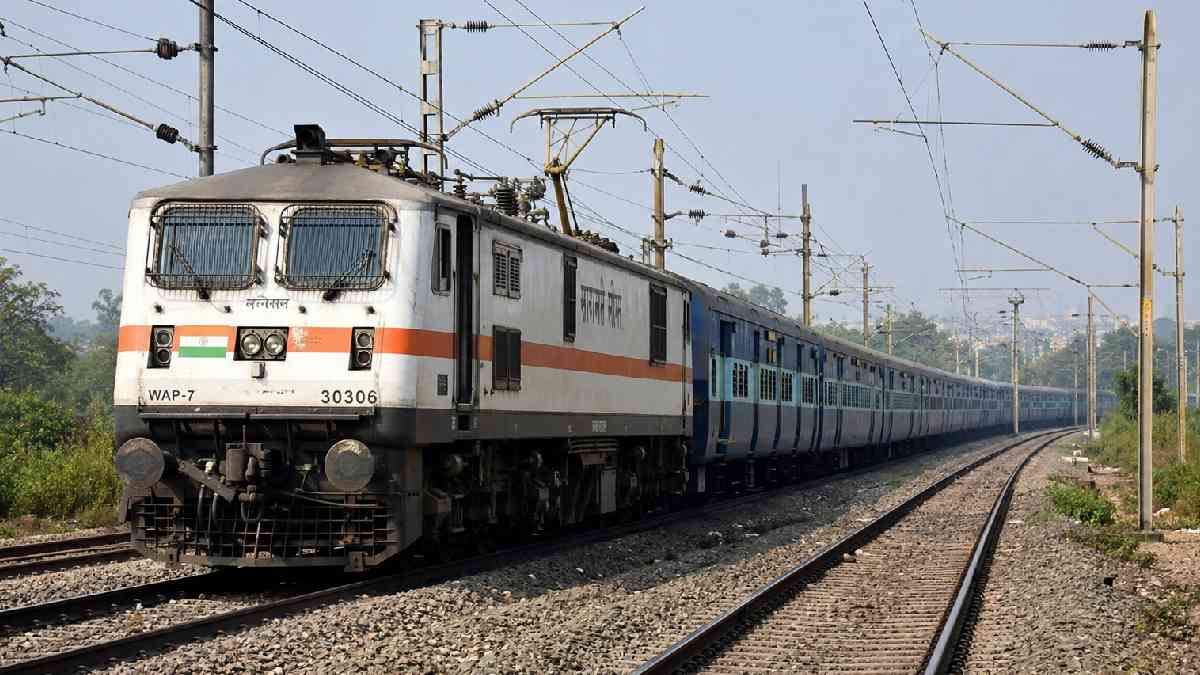
The projects are expected to be completed by 2030-31 and will enhance passenger and freight transportation. By increasing rail capacity on key routes, increasing trains' capacity and efficiency, and speeding up the transportation of goods, we hope this will reduce congestion.
Four major railway projects approved
The approved projects include the construction of a 173 km fourth line between Kharagpur in West Bengal and Bhadrak in Odisha. Another 75 km fourth line will be developed between Bhadrak and Haridaspur.
In southern India, third and fourth lines covering around 90 km will be developed between Gummidipundi in Andhra Pradesh and Gudur in Tamil Nadu. The fourth project will be 72 km of new lines between Cuttack and Paradip in Odisha.
These projects will add approximately 410 km of additional rail capacity to some of the country's important passenger and freight corridors.
Rail congestion should decrease
The multi-track projects are expected to ease the pressure on existing railway lines and allow more trains to run efficiently. Additional tracks can separate passenger and freight services; train scheduling and waiting time due to congestion can be improved.
Expansion will also improve the reliability of railway services in regions where existing routes are operating close to capacity.
6,448 villages and 60 lakh people to benefit
The benefits of the projects will go beyond railway stations and big cities. The routes will pass through eight districts in West Bengal, Odisha, Tamil Nadu and Andhra Pradesh.
The railway ministry’s estimates suggest about 6,448 villages, which are expected to have a total population of more than 60 lakh people, are expected to benefit from better rail connectivity.
In the case of better connectivity, residents would have access to jobs, educational institutions, healthcare facilities and markets more easily. Agricultural and industrial goods would also move from rural areas to larger markets, and that would help in the movement of agricultural and industrial products to market.
Tourism and business activity are likely to benefit the economic situation.
In the areas covered by the projects, better rail connections could also help with tourism. The network would offer access to places like Kuldiha Wildlife Sanctuary, Bhitarkanika National Park, Chandipur Beach and Pulicat Lake and several temples and historical sites.
With better transportation infrastructure, these destinations are more accessible to tourists, and hotels, restaurants, local businesses, transport operators and other tourism-related services can be supported.
The projects are also expected to strengthen multimodal connectivity and logistics infrastructure. Better rail links may also help businesses move raw materials and finished goods faster, reduce transportation costs and promote regional employment.
Freight capacity to increase by 76 million tonnes per year
The projects are aimed at increasing freight transport capacity. The expanded railway corridors will allow commodities to move from coal, cement, iron and steel, containers, automobiles and food grains.
Railways estimates that the additional capacity could support about 76 million tonnes of extra freight movement each year. Pushing more goods from roads to rail, however, would relieve pressure on highways while improving the efficiency of long-distance transportation.
Fuel savings and lower carbon emissions
The railway expansion is also expected to have environmental benefits. Improved rail transportation could reduce oil consumption by around 13 crore litres, says the ministry.
The projects are estimated to reduce carbon dioxide emissions by about 65 million kilograms, a difference the ministry has compared with planting around 2.60 crore trees.
The projects could generate lower fuel consumption, reduced logistics costs and a lower carbon footprint by increasing rail infrastructure and improving rail use for passenger and freight transport.
Major infrastructure push for eastern and southern India
The Rs 9,450-crore investment is a very significant expansion of railway capacity in four states. With new track development and better freight capacity and regional connectivity, we can see economic activity grow, and congestion on existing railway lines will decrease.
When completed by 2030–31, these projects would contribute greatly to a better transportation infrastructure in India, connecting rural communities with urban centres and providing for logistics in the country.