Elon Musk’s Starlink has returned to the satellite internet business in India as it is now seeking a fresh application from India’s space regulator to approve its second-generation satellite system.
It could be a big step in expanding Starlink’s services in one of the world’s fastest-growing internet markets.
According to reports, Starlink has reapplied to the Indian National Space Promotion and Authorization Centre (IN-SPACe) to approve its Gen 2 satellite network.
The proposed constellation will comprise about 30,000 satellites and will include new features like direct-to-device connection. And eventually, compatible mobile phones will be able to connect with satellites without satellite terminals.
The new application comes after the application also faced regulatory hurdles for Starlink’s earlier Gen 2 proposal.
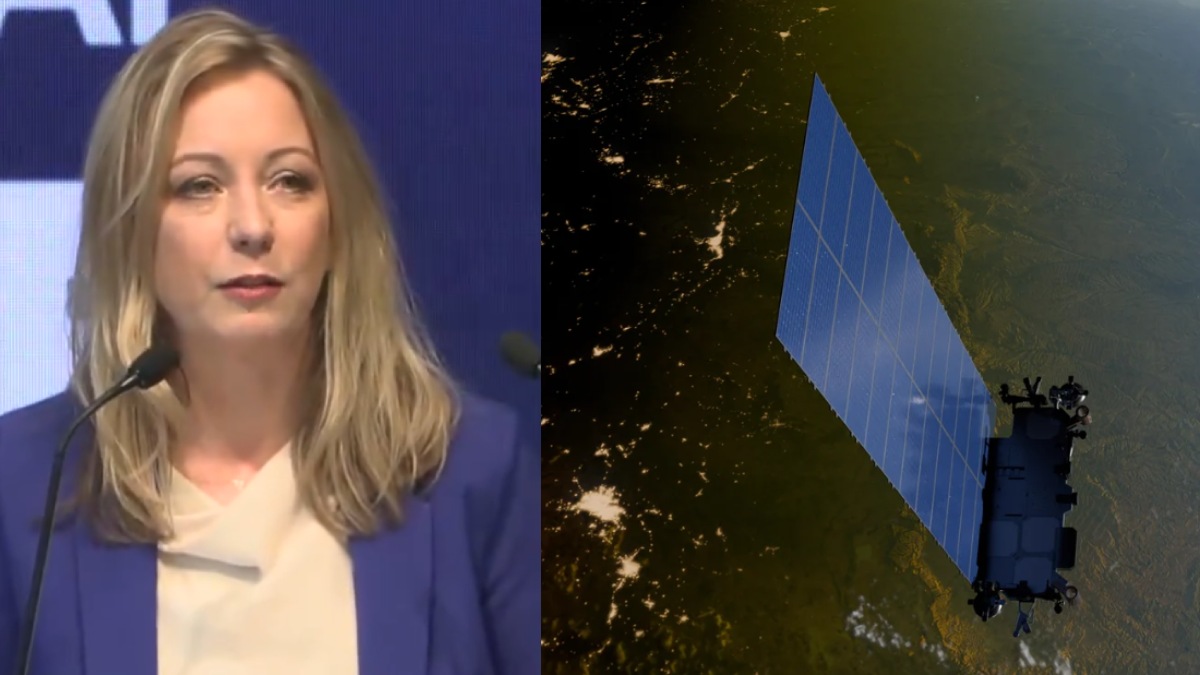
These reports said issues with certain technical requirements and frequency bands that did not meet Indian requirements were raised by the application. Starlink had previously won approval for the first generation of its 4,408 satellites consisting of low-Earth orbit satellites for conventional broadband services.
Starlink’s renewed application is important because India is moving to expand satellite-based connectivity, particularly in rural, remote and underserved areas where conventional fibre and mobile infrastructure can be difficult or expensive to deploy.
Satellite communication has been the Indian government’s proposed solution to improve last-mile connectivity in remote, mountainous, coastal and border areas.
Starlink has already secured a Unified Licence with authorisation for GMPCS services in India, according to a January 2026 government statement.
However, getting the necessary regulatory approvals for the satellite network and completing other compliance requirements are necessary before commercial operations can fully begin.
The company has also said that discussions with the Indian government remain active and constructive.
Starlink had said in June that it had received positive feedback from customers and was waiting for regulatory approval for commercial launch in India to go forward and to get into business.
If the Gen 2 application gets approved, Starlink could strengthen its position in India’s fast-developing satellite communications sector.
It would also create more competition among companies wishing to provide satellite broadband and direct-to-device connectivity for their mobile devices.
For Indian consumers, such a development could eventually come with more internet options than ever before, especially in rural areas where broadband networks are still far from being available.
But Starlink’s future commercialization will take time regulatory approvals and compliance with India’s telecommunications, space and security requirements are of course all necessary.
But the new application signals Musk’s company has not abandoned the Indian market. Instead, Starlink appears to be making yet another regulatory push to bring its next-generation satellite technology to India.