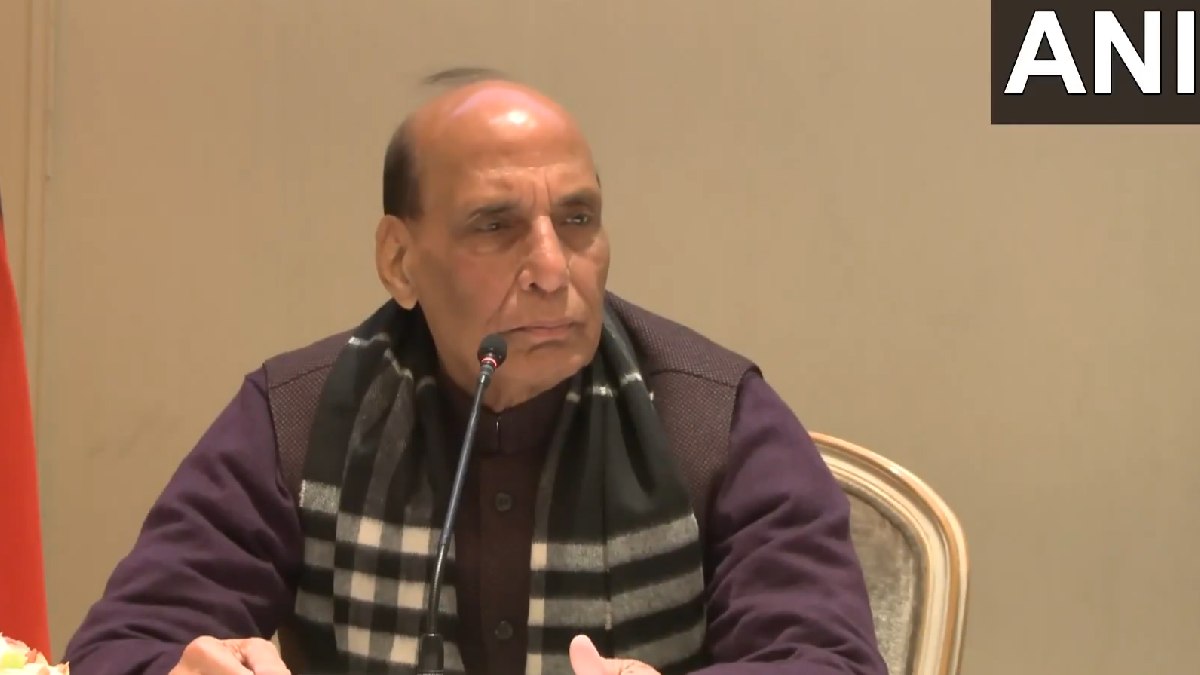
In a move towards self-reliance with respect to defence manufacturing, Defence Minister Rajnath Singh has approved the transfer of Defence Research and Development Organisation (DRDO)-developed technologies for all conventional missile systems for the Indian defence industry for domestic production.
The Ministry of Defence made the announcement on August 25, and hailed it as an important step in strengthening India's Aatmanirbharta in defence. Technology transfer will allow eligible Indian companies to manufacture DRDO-developed conventional missile systems in the country, subject to all qualifications, certifications and regulatory requirements.
The initiative is meant to bridge the gap between missile development and large-scale industrial production. DRDO develops advanced defence technologies for the Indian armed forces, and more domestic companies can contribute to transforming the successful technologies into production-ready systems at scale.
Breaking: India's defence minister Rajnath Singh approves transfer of DRDO conventional missile technologies to domestic industry to boost indigenous production and self-reliance. pic.twitter.com/dS1o5o1IJD
— Sidhant Sibal (@sidhant) August 25, 2026
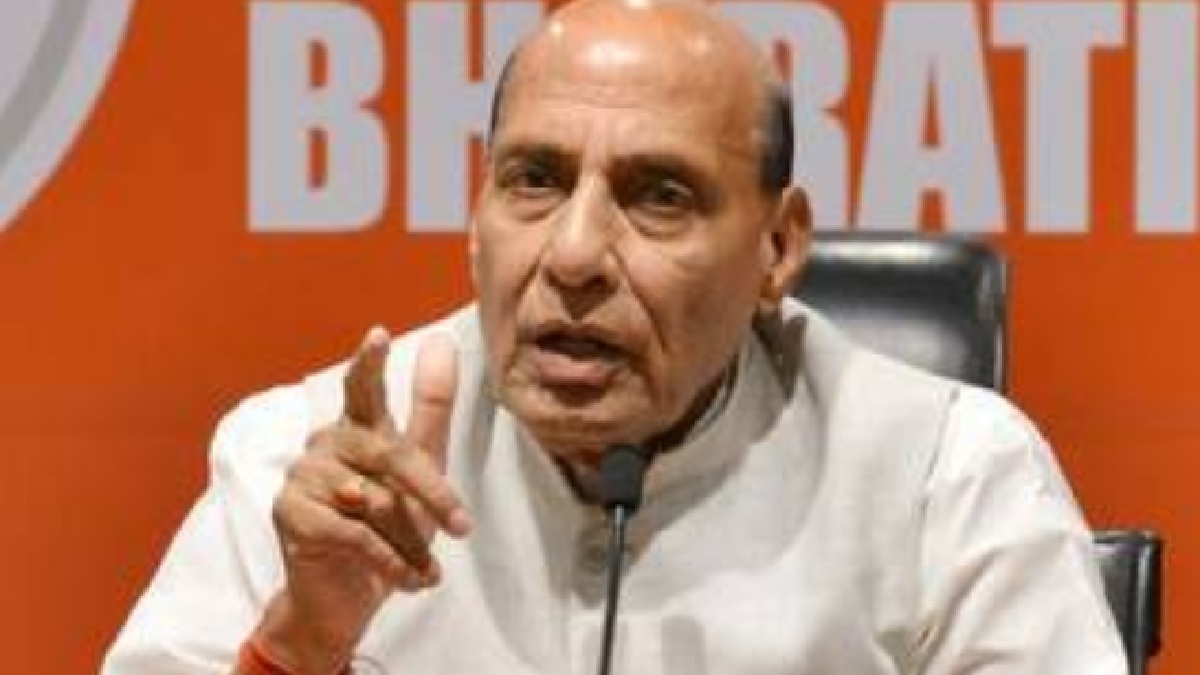
According to the Defence Ministry, the technology transfer will strengthen India’s domestic manufacturing capabilities and increase the participation of Indian industries in the defence ecosystem. The initiative will also allow MSMEs and other technology partners to participate in missile-production supply chain development.
Boost to Aatmanirbhar Bharat
The decision fits into India’s larger strategy of decreasing dependency on imported defence equipment and building a stronger domestic military-industrial base.
India has increasingly focused on indigenous development of missiles, aircraft, artillery systems, radars and other defence platforms. DRDO itself recognizes self-reliance in critical defence technologies as one of its core objectives and indigenous systems like the Agni and Prithvi missile families, Akash air-defence system, Pinaka rocket system and Tejas are part of India’s evolving domestic defence technology ecosystem.
For Indian companies, the newly approved transfer could provide another channel for the companies to access advanced technologies that were developed through government-funded research.
From DRDO labs to Production Lines
One of the main objectives is to ensure that technologies developed in DRDO laboratories successfully move into industrial production.
The Ministry said the move will make it easier to transition from missile-system development to manufacturing, by tapping into the capability of Indian industry to develop advanced defence systems. It will also help to increase domestic value addition and enhance the country’s defence industrial base.
This is consistent with DRDO's technology-transfer policy, which focuses on faster absorption of indigenous technologies by Indian industry and closer cooperation between laboratories and manufacturers.
Reducing Import Dependence
Reducing reliance on overseas suppliers is an increasingly important aspect of India's defence strategy. Domestic production can potentially raise our domestic production to a higher level of control over supply chains, maintenance, upgrades and future technological development.
The latest decision also comes amid a broader expansion of India’s indigenous defence manufacturing ecosystem. Government data shows that thousands of defence items have been placed on indigenisation lists, while DRDO has signed numerous technology-transfer agreements with Indian companies.
The move could lead to new opportunities for the private sector in manufacturing, components, electronics, propulsion, testing, and many other areas in the missile supply chain.
A wider role for Indian Industry.
The government is looking beyond the traditional public sector defence production and is calling for private companies and MSMEs to get involved in advanced military manufacturing.
Earlier this month, DRDO also invited domestic private defence firms to partner in the development and production of missile and bomb weapon systems under its Missiles and Strategic Systems cluster.
The latest technology transfer decision may complement that approach by providing a new level of sector participation.
The ultimate aim is to create a defence ecosystem in which Indian companies can not only manufacture equipment developed domestically but also build deeper technological capabilities and eventually contribute to future generations of defence systems.
For India's armed forces, a stronger domestic supply chain could also help to strengthen operational resilience and reduce vulnerabilities of dependence on foreign suppliers.
The decision by Rajnath Singh is therefore significant beyond the transfer of missile technologies. It is another step in India’s long-term effort to transform domestic defence research into indigenous manufacturing capability, and to broaden the role of Indian industry in meeting the requirements of the armed forces.