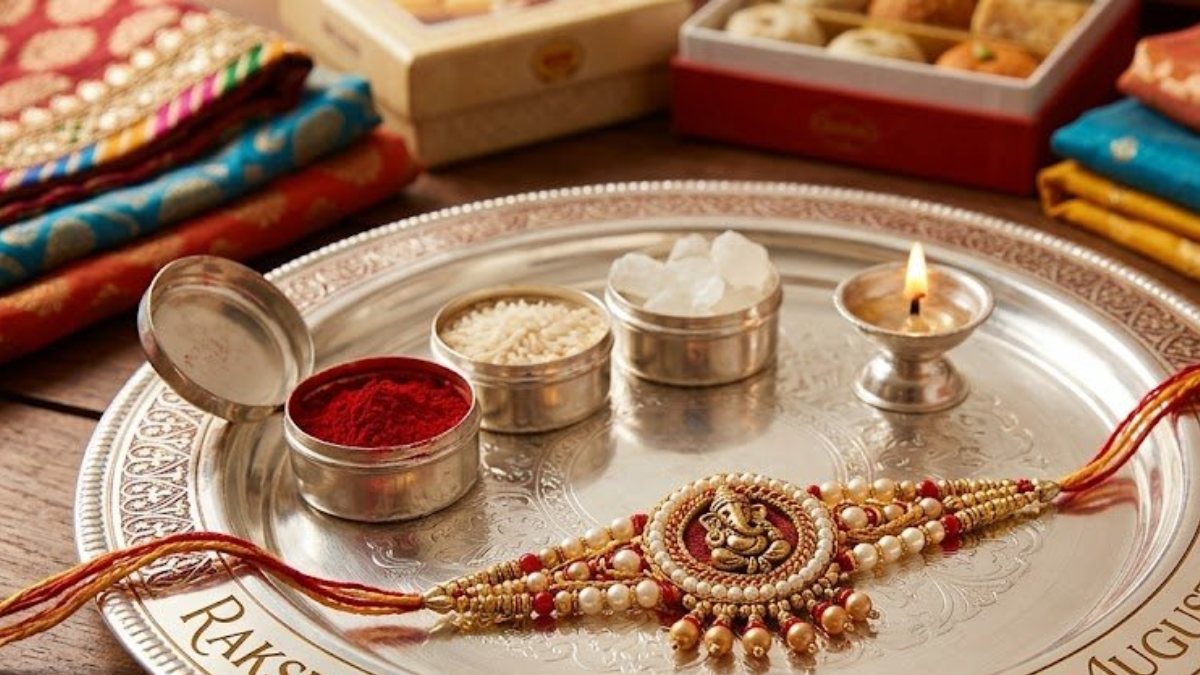
Raksha Bandhan is a popular festival in India today celebrating the bond between brothers and sisters. One big thing about rakhi is that sisters tie a rakhi around their brothers' wrists and families come together to exchange sweets, gifts and blessings.
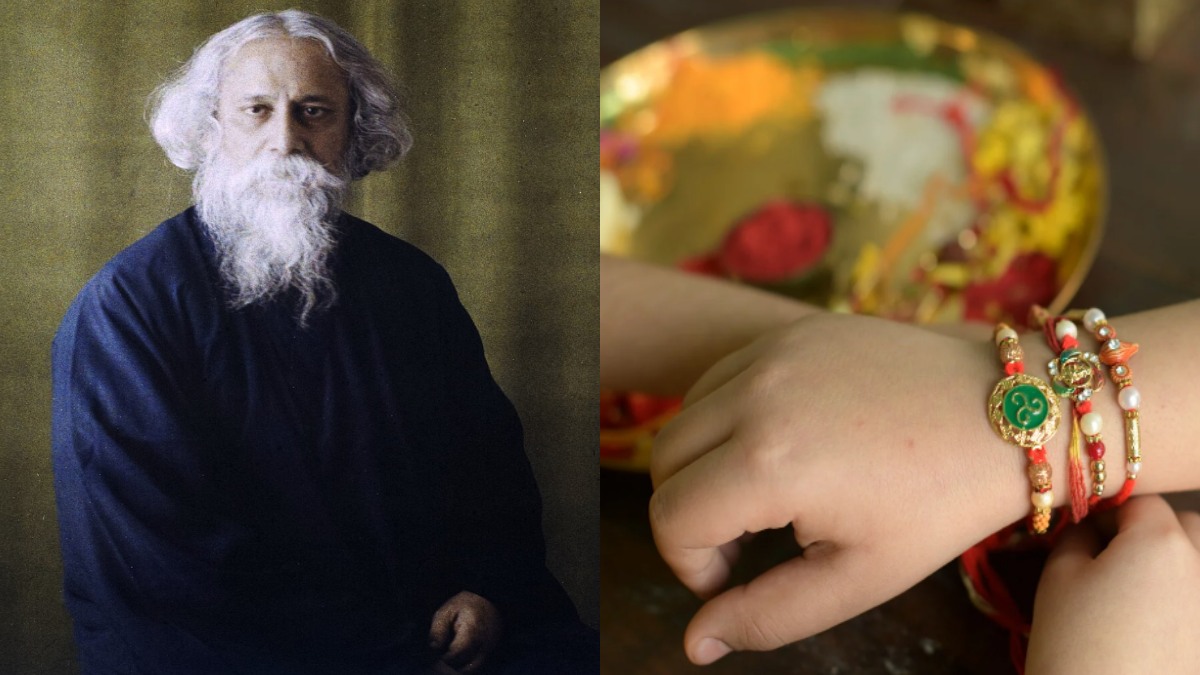
During the anti-partition movement in Bengal in 1905, Rabindranath Tagore made Rakhi into a symbol that united Hindus and Muslims. Rather than a family tradition, Tagore turned it into a symbol of solidarity at a time when the independence struggle in India was at its boil.
The reason for this story is that in 1905, the British Government did split Bengal into two places as they wanted to do so. The Viceroy of India, Lord Curzon, announced the partition of Bengal on October 16, 1905. The colonial administration justified the partition of Bengal with a largely administrative justification that Bengal was too big to be governed efficiently. But Indian nationalists were vehemently against it, and considered it an attempt to squander growing political awareness and divide people along religious and regional lines.
The partition led to much anger among Bengali people, especially in Bengali communities. It was a crucial stage of the Swadeshi Movement, where Indians rallied around indigenous products and opposed British goods. Public meetings, demonstrations, boycotts and cultural activities became important forms of resistance. Rabindranath Tagore, one of Bengal’s most important writers and cultural figures, was actively involved with promoting social unity in that period.
One of Tagore’s best achievements was the symbolic tying of rakhis. People from various communities tied rakhi threads on one another’s wrists as a sign of brotherhood and solidarity. The purpose was not so much the modern brother-sister relationship of Raksha Bandhan but to reaffirm that Hindus and Muslims shared a common social and cultural identity and should stand together against attempts to divide them.
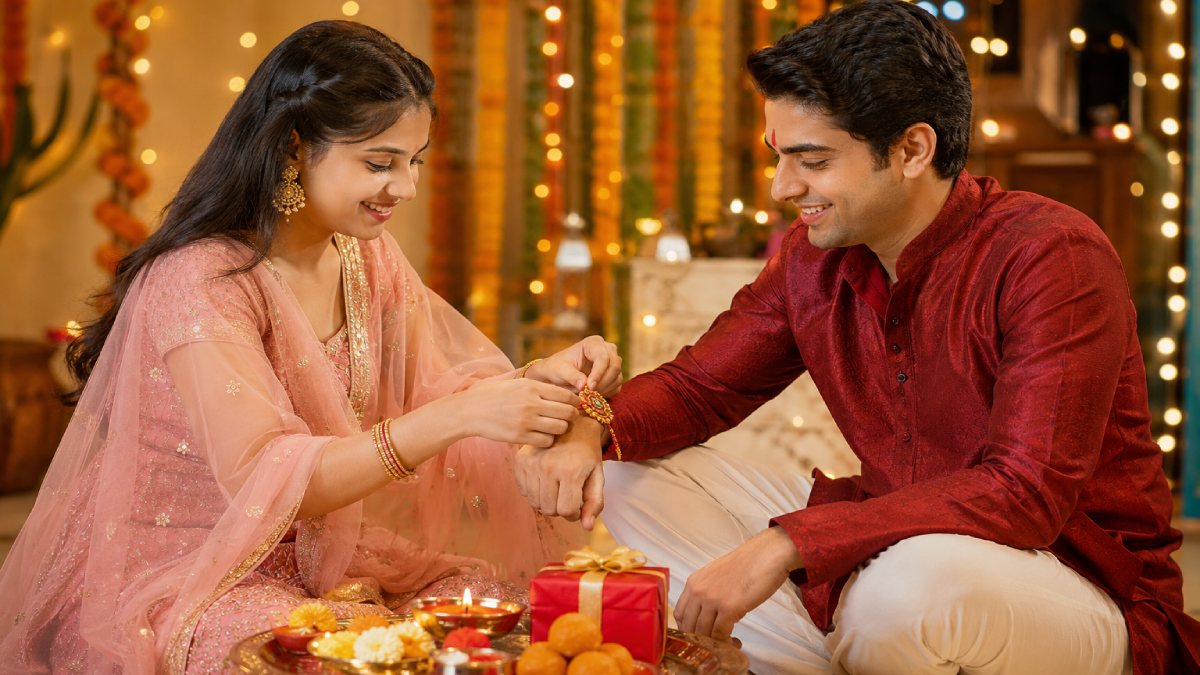
The symbolism was most valuable because one single thread could be the foundation for a much bigger sense of mutual trust and unity. Tagore felt that the resistance to colonial policies should not only be political but should also help people build bonds with one another. So rakhi became a cultural expression of mutual respect.
The day the partition was declared and the following October 16, 1905, was one of mourning and protest in Bengal. Tagore and others proposed ways to build a sense of solidarity. People marched, sang patriotic songs and performed symbolic acts of unity. People tying rakhis to one another were associated with the larger struggle to oppose the partition and keep the harmony of the people.
However, it is important to be careful about the historical claim. Rakhi as a ritual was not invented by Rabindranath Tagore in 1905. The practice of tying protective threads has much older roots in the Indian subcontinent and has been associated with different customs and interpretations over centuries. What Tagore did was give the rakhi a radical political and social meaning during the anti-partition movement. His efforts were not so much about introducing the festival on a new platform as about using it as a cultural symbol to convey a message of unity.
Tagore’s approach demonstrated the power of culture in political movements. Instead of speeches and political resolutions, he employed poetry, music, festivals and familiar traditions to connect emotionally with people. The rakhi became one such symbol and it was a message that was easy to understand: communities divided by religion could still regard one another as members of a larger social family.
The Bengal partition was finally annulled in 1911, but the political events surrounding it had far-reaching consequences for India’s nationalist movement. The anti-partition struggle helped strengthen the Swadeshi Movement and increased mass political participation. Tagore’s role during this period shows how literature, culture and social activism could intersect with the freedom movement.
Raksha Bandhan is also connected to the love of siblings today but the historical journey of the festival also reminds us of the festival’s broader symbolism. A rakhi can represent protection, trust, affection and solidarity. The story of Tagore’s use of the rakhi during the 1905 Bengal partition movement adds another layer to that symbolism; how that familiar cultural tradition was adapted to promote communal harmony at a critical point in Indian history.
More than a century later, the episode resonates with us because it underscores something that has happened in India’s past: cultural traditions can be powerful vehicles to bring communities together. Tagore’s thinking during the Bengal partition movement said unity was not simply a political strategy but also a social duty. The rakhi, in this setting, was a link that connected people from all religions and a symbol of resistance against division.