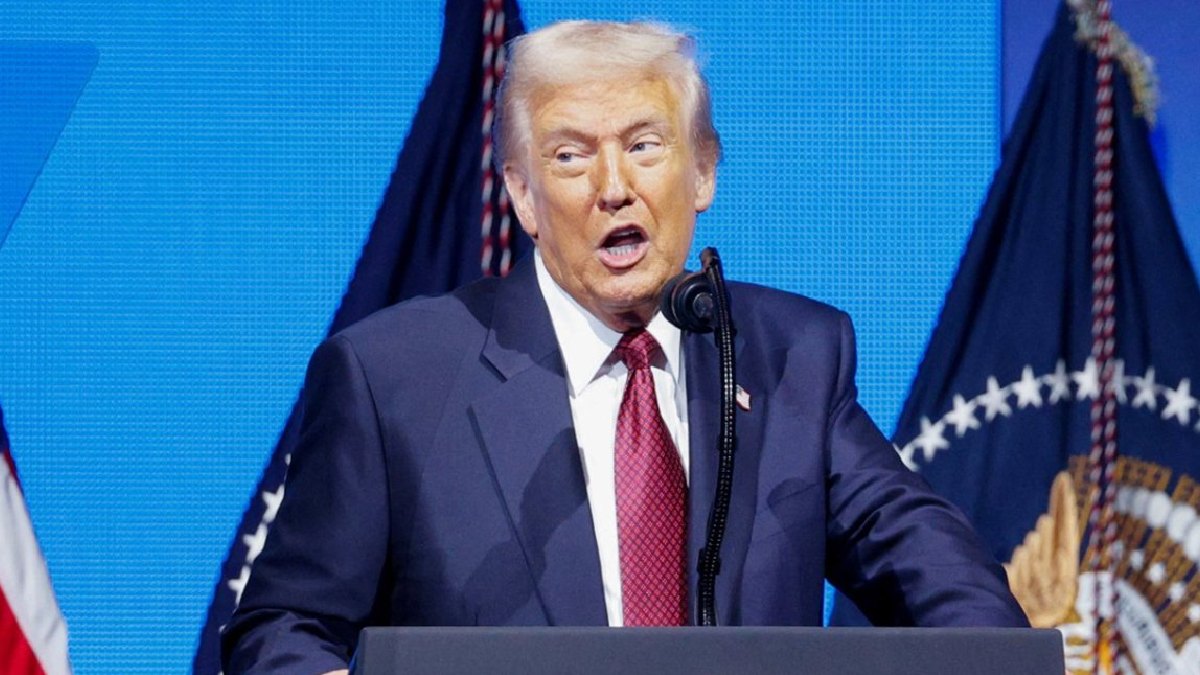
Donald Trump has again put the strategically crucial Strait of Hormuz at the center of his escalating conflict with Iran in his latest post on Truth Social, as the Strait is listed among a list of territories and locations that the United States is associated with— putting even more fuel to speculation and controversy about his repeated claims about the vital waterway.
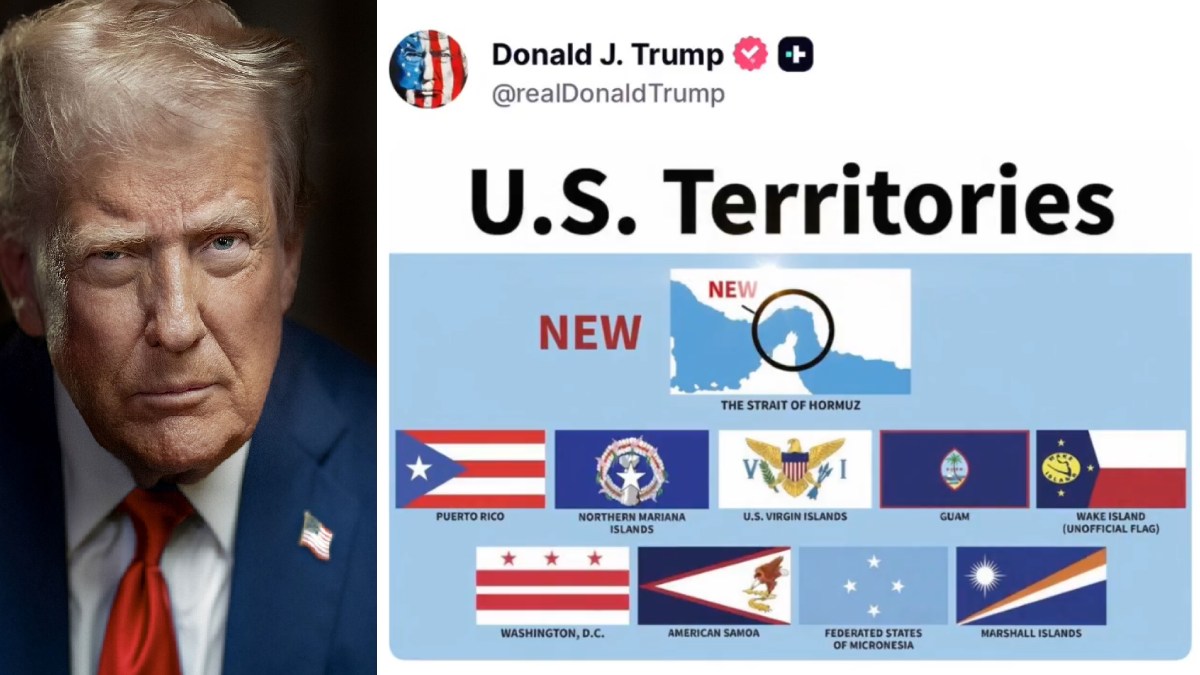
The image includes Puerto Rico, the Northern Mariana Islands, the US Virgin Islands, Guam, Wake Island, Washington, DC, American Samoa, the Federated States of Micronesia and the Marshall Islands. The Strait of Hormuz was included in the graphic because Trump has referred to it as “NEW US Territory.”
The development comes at a time of growing tension between Washington and Tehran, and the Strait of Hormuz is still a key point of tension. The narrow maritime passage west of the Persian Gulf connects the Gulf of Oman to the Arabian Sea and is one of the world's most important shipping routes for energy.
Trump’s Repeated Hormuz Claims
Trump had earlier posted a map showing the Strait of Hormuz and the words “New US Territory” over the strategically important passage. The post was made on August 18, about a 60-day negotiating period between Washington and Tehran supposedly nearing its close.
The president has said Washington should take control of the waterway. Iran, which rejects the idea that the United States can claim sovereignty over the waterway, protests against his statements.
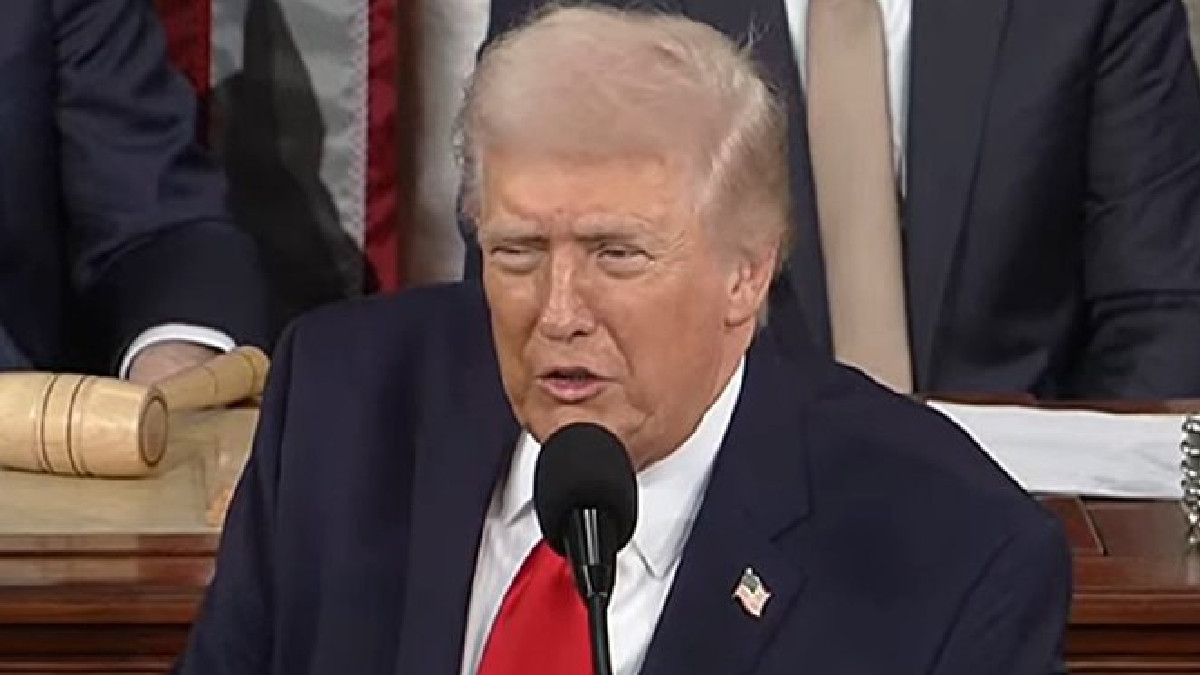
Iran has maintained that the waterway is closed and that its position will not change unless Washington steps down and fulfills commitments Tehran says have been made. Iranian officials have pushed back against American claims over control of the strategically crucial passage.
Iran Rejects US Position
Iran’s Secretary of the Supreme National Security Council, Mohsen Rezaei, said Saturday the Strait of Hormuz is still closed. But as Tehran put it, reopening the waterway would take the United States fulfilling its commitments and changing its behavior.
These positions highlight the continuing dispute between the two nations. So even though Trump has voiced confidence that America will be able to control or claim the waterway, Iran is refusing to cede its power and to play nice with Washington.
The dispute is more important because the Strait of Hormuz is not just a geopolitical flashpoint. It is an international energy and commercial shipping pipeline. If long-term disruption could be sustained, the consequences would be far-reaching - for oil markets, freight costs and supply chains globally.
The recovery in shipping traffic.
Despite the ongoing political squabble, shipping through the Strait has been very active in recent weeks. More than 200 vessels have crossed the waterway in the last week (UK Maritime Trade Operations Centre) and the UK maritime trade centre reported over 200 ships have sailed through the Strait.
That was compared to about 150 vessels last week and about 40 vessels two weeks before. It suggests that commercial operators are slowly returning to the route, despite the security risk.
Vessels also increasingly rely on a US-backed route along Oman’s coast. The development underscores efforts to sustain maritime movement and minimize exposure to areas that are seen as particularly vulnerable in the turbulence between Washington and Tehran.
Why Hormuz Matters
The Strait of Hormuz is one of the most strategic maritime chokepoints in the world. It links Iran and Oman, and is a key access point to international waters in the Persian Gulf. Oil and other energy products are shipped through the waterway and security of the waterway is one of the top concerns for governments, shipping firms and energy markets.
Any longer-term closure or serious disruption would have consequences far beyond Iran and the United States. Energy prices could be under further pressure, shipping companies might even have to look for long and more expensive alternatives.
Trump's latest post comes at a sensitive time. His decision to again link the Strait of Hormuz to US territories will fuel debate about what Washington really wants and Tehran's refusal to accept the claim keeps the conflict firmly in the mix of US and Iran.
As of now, Trump and Iranian officials have been at odds, and the future of the waterway is unclear. As commercial traffic increases but diplomatic tensions remain high, the Strait of Hormuz is likely to remain one of the most closely watched flashpoints in the Middle East.