Solo travel is one of the most important trends in India’s tourism scene and more and more Indian travellers travel alone to the destinations. What was once perceived to be an outré way for taking a holiday that people wanted to do is more and more a choice for people who want a little freedom, adventure and new experiences.
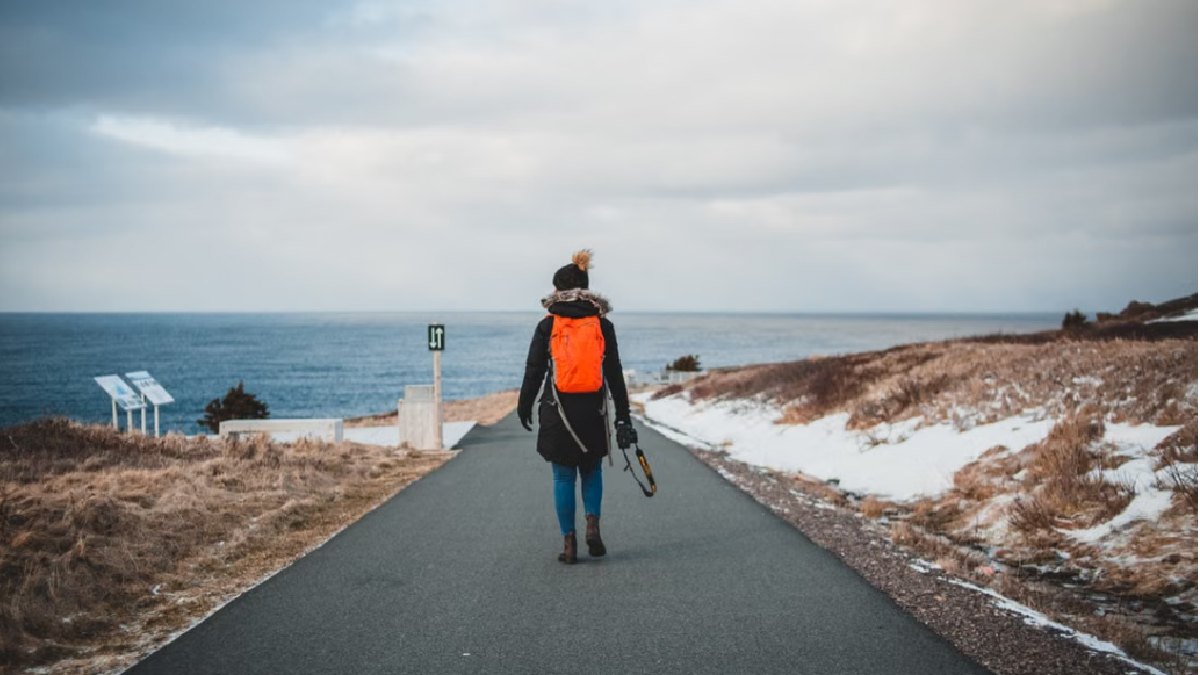
Such shift has been driven in part by changing travel habits, access to information and the increasing popularity of digital travel services. So now, Indians are planning trips on their own time frame instead of waiting for family members or friends to show up (young professionals and students, and experienced travellers).
Why are so many Indians travelling alone?
One of the main attractions of solo travel is freedom. Travellers can choose where to go and what to see and how long to stay and not have to work with a group. Flexibility can be very appealing to workers who have limited holidays and want to make the most out of their time.
Solo travel is also being promoted with social media and it’s really starting to make it more visible. Travel creators publish itineraries, reviews of accommodation and safety tips and destination guides to help the first-time solo traveller know what to do. These experiences made it easier for some people to travel alone and for some others it was already difficult until now.
Another reason behind the trend is the growing interest in experiences, not just the conventional sightseeing. Solo travellers have more opportunity to interact with local communities, try regional food, explore lesser-known places and make spontaneous changes to their itinerary.
Young Travellers Lead the Trend
Younger Indian travellers are a very active part of solo tourism. Travel for many of them is a time of discovery and a break in the daily routine of school and work.
A short trip is best suited for first-time solo travelers. Weekend trips, two- or three-day breaks and domestic trips give travellers some confidence to go for longer trips. Hill stations, beaches, heritage towns and places with established tourism infrastructure are some of the popular choices.
Budget accommodation, hostels, homestays, and online transportation services allow for travel to be organized at a budget of less than a week or so. Travellers can compare prices and read reviews and book before leaving home and leave with less uncertainty.
Domestic Destinations Remain Popular
India’s diversity of geography provides a wealth of options for solo travelling. Goa, Rishikesh, Jaipur, Pondicherry, Gokarna and parts of Himachal Pradesh and Uttarakhand have long attracted independent travellers.
At the same time, there is a growing interest in offbeat destination locations. Travellers seeking quieter places are exploring smaller towns, villages, nature destinations and cultural centres off the tourist route that are far from tourist-filled places.
Domestic travel also offers a practical advantage for first-time solo travellers. Familiar payment systems, languages in many areas and relatively easier transportation can make traveling within India less daunting than taking an international solo trip.
Solo Travel Is Not Just About Adventure
We are often so used to adventure and travel as an adventure and alone travel, but for some people it can be a break from the ordinary world and for others, it is part of the day-to-day life and what is available to them is photography, food, history, spirituality or nature.
Solo travel can also encourage travellers to become more independent. Planning transportation, managing budgets, navigating unfamiliar locations and making decisions without companions can help build confidence.
But that too is only to be foreseen when travelling alone. Before leaving, research of accommodation, transportation and local situation is key— especially for first-time travellers.
We need to keep safety very much in mind.
Safety is still one of the most important aspects of planning a solo trip. Travellers should communicate with trusted contacts, have emergency numbers available and avoid unnecessarily hazardous situations.
Choosing well-reviewed accommodation in convenient locations can also make a trip more comfortable. Women travelling alone should pay particular attention to destination-specific safety information, transportation options and accommodation reviews. Planning ahead can help reduce avoidable risks while allowing travellers to enjoy greater independence.
How technology makes independent travel easier?
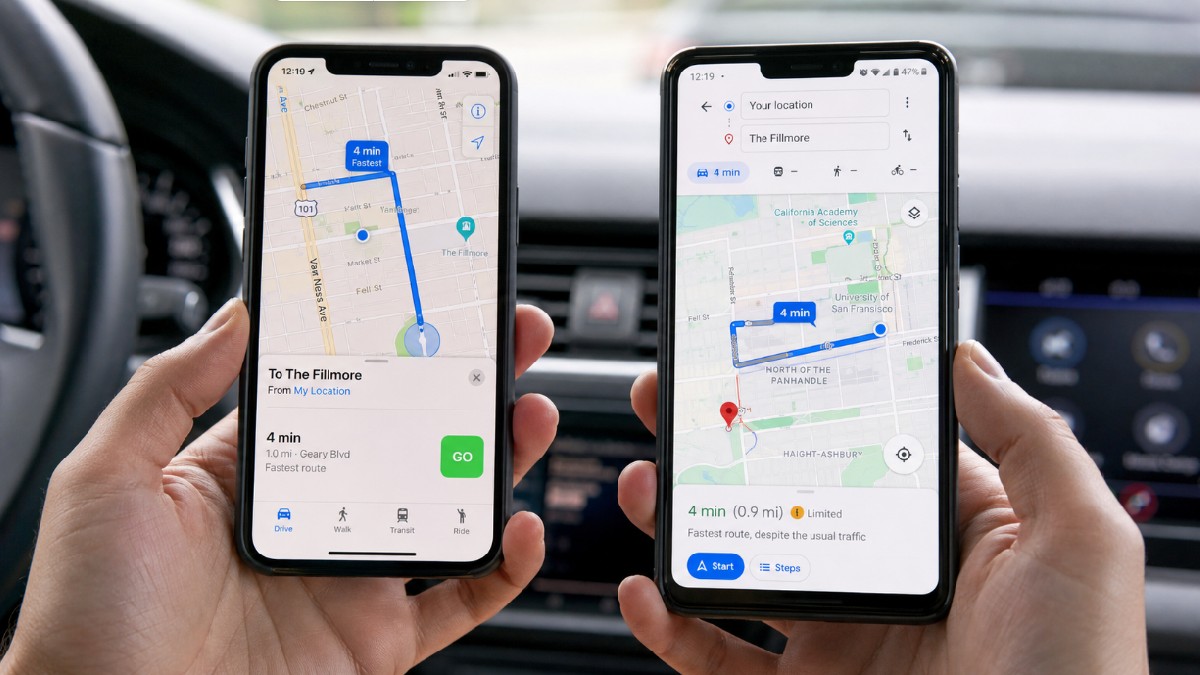
Technology is such an important part of solo travel. Navigation applications, online booking services, digital payments, translation tools and travel communities enable people to manage many aspects of a trip using a smartphone.
Online reviews also help travellers make decisions about hotels, restaurants, transportation and tourist attractions. At the same time, travellers should not rely entirely on online information, and should check details on reliable or official sources when necessary.
A changing Indian Travel Culture
Solo travel is on the rise as a whole in India. Now the holidays are more or less individual in nature, and based on our personal interests and schedules and experiences rather than the typical family or group vacation.
Solo tourism is only going to grow as travel infrastructure expands and more destinations are accessible. Local tourism businesses including hostels, homestays, cafes, tour operators and experience providers are also going to benefit if that trend continues to gain momentum.
For Indian travelers, solo travel is not simply about an adventure to a new destination alone. It’s about an increasing desire for freedom, independence and meaningful experiences. Traveling alone is very much becoming a part of India’s tourism landscape. It’s a short weekend trip or a long trip across the country.